THE ADVENTURE COLLECTIVE® · Independent discovery and booking for outdoor travel

Explore Roman Salona’s ruins, the ramparts of Klis Fortress and a family-run agro park in a compact, well-paced half‑day from Split. This practical guide covers what to expect on the road, on foot, and inside a cool karst cave.
Explore Roman Salona’s ruins, the ramparts of Klis Fortress and a family-run agro park in a compact, well-paced half‑day from Split. This practical guide covers what to expect on the road, on foot, and inside a cool karst cave.
You step out of the air‑conditioned vehicle onto sun-warmed stone at Salona, where Roman columns still lean toward the Adriatic light and the breeze carries the sharp scent of thyme. The tour moves with the calm precision of a driver who doubles as a storyteller—short drives between sites, long moments at places that hold time in layers.
Verified experiences and guided adventures in the surrounding area.
Operated by That´s it! · Split, Split-Dalmatia County
You step out of the air‑conditioned vehicle onto sun-warmed stone at Salona, where Roman columns still lean toward the Adriatic light and the breeze carries the sharp scent of thyme. The tour moves with the calm precision of a driver who doubles as a storyteller—short drives between sites, long moments at places that hold time in layers.
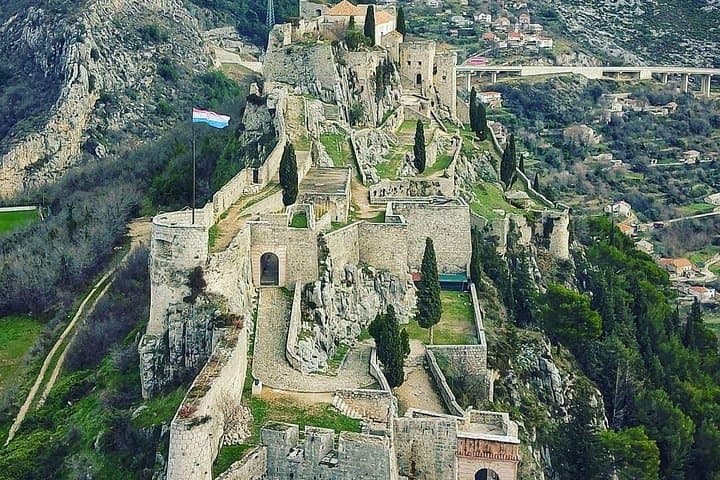
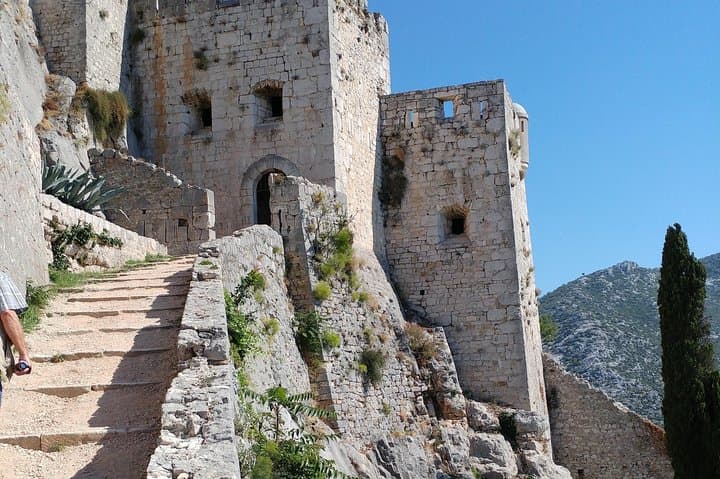
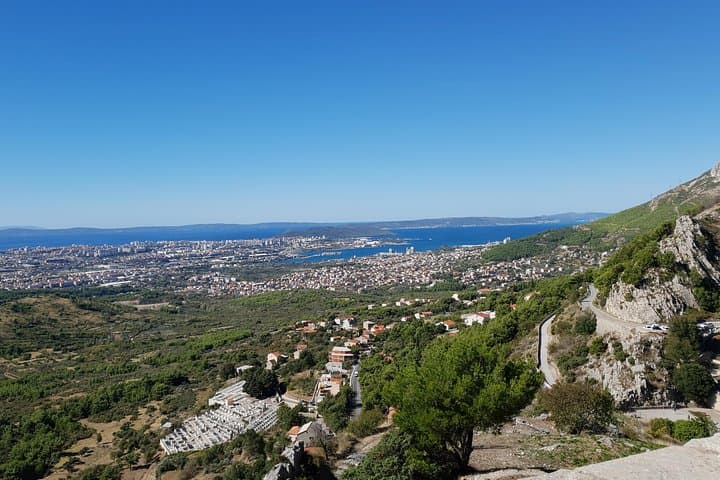
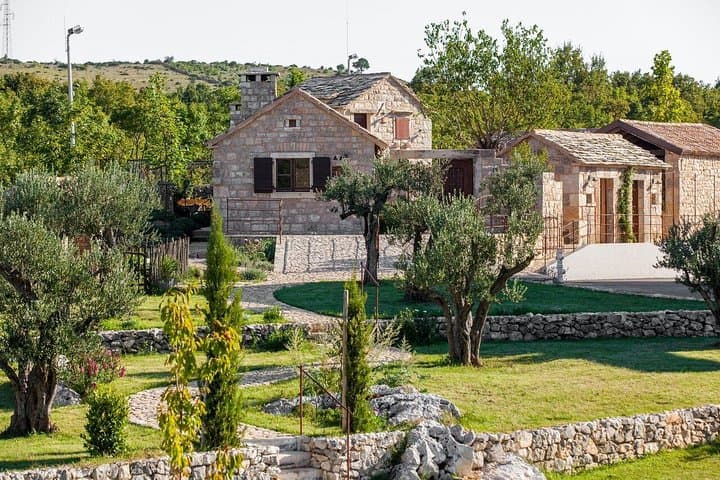
Salona was once the capital of Roman Dalmatia and birthplace of Emperor Diocletian; its amphitheater, baths and necropolises map a city that stretched along what is now Solin. From there the road climbs to Klis Fortress, a medieval stronghold carved into karst ridges and used for centuries to control inland approaches to Split — its walls bear the scars of Ottoman sieges and modern film crews alike. The family-run Stella Croatica introduces a different geology: terraced olive groves and limestone soils that give the region’s olive oil and wine distinct mineral notes. The final stop, Vranjača Cave, offers cool, calcite-dripped passages where underground streams shape stalactites over millennia.
Practical guidance: the itinerary is a relaxed half‑day (about 4 hours) with short on‑foot sections on uneven surfaces and steps — bring sturdy shoes and a light layer for the cave’s cool humidity. Hydrate before you go; bottled water is provided but a refillable bottle saves plastic. If you want a guide at any stop, request one ahead to deepen archaeological or agricultural context. Expect brief walks at each site and the chance to buy local olive oil or wine directly from producers. Timing mid‑morning or late afternoon reduces heat and crowds and offers better light for photography.
moderate.
4 hours.
Suitable for those who can walk short distances on uneven ground and climb stairs; no special endurance required.
No—admission fees for sites like Klis Fortress, Salona or Vranjača Cave are generally not included; check each site's ticketing and have local currency if required.
The tour departs from Split and returns there, but the operator can arrange drop-offs at different points if requested in advance.
The tour is family-friendly and listed as physically easy overall, but expect steps and uneven terrain at historical sites and limited accessibility inside the cave.
Yes—Stella Croatica is an agritourism farm where you can sample and purchase olive oil, wine and preserves produced on site.
Salona was a major Roman urban center and administrative seat for Dalmatia; Klis Fortress later became a key defensive position against Ottoman expansion.
Respect archaeological sites by not climbing on fragile ruins or removing artifacts; support local producers to encourage sustainable, low-impact agriculture.
That´s it! operates guided outdoor trips and adventures with an emphasis on safety, stewardship, and memorable experiences.
You step out of the air‑conditioned vehicle onto sun-warmed stone at Salona, where Roman columns still lean toward the Adriatic light and the breeze carries the sharp scent of thyme. The tour moves with the calm precision of a driver who doubles as a storyteller—short drives between sites, long moments at places that hold time in layers.
You step out of the air‑conditioned vehicle onto sun-warmed stone at Salona, where Roman columns still lean toward the Adriatic light and the breeze carries the sharp scent of thyme. The tour moves with the calm precision of a driver who doubles as a storyteller—short drives between sites, long moments at places that hold time in layers.
Salona was once the capital of Roman Dalmatia and birthplace of Emperor Diocletian; its amphitheater, baths and necropolises map a city that stretched along what is now Solin. From there the road climbs to Klis Fortress, a medieval stronghold carved into karst ridges and used for centuries to control inland approaches to Split — its walls bear the scars of Ottoman sieges and modern film crews alike. The family-run Stella Croatica introduces a different geology: terraced olive groves and limestone soils that give the region’s olive oil and wine distinct mineral notes. The final stop, Vranjača Cave, offers cool, calcite-dripped passages where underground streams shape stalactites over millennia.
Practical guidance: the itinerary is a relaxed half‑day (about 4 hours) with short on‑foot sections on uneven surfaces and steps — bring sturdy shoes and a light layer for the cave’s cool humidity. Hydrate before you go; bottled water is provided but a refillable bottle saves plastic. If you want a guide at any stop, request one ahead to deepen archaeological or agricultural context. Expect brief walks at each site and the chance to buy local olive oil or wine directly from producers. Timing mid‑morning or late afternoon reduces heat and crowds and offers better light for photography.