THE ADVENTURE COLLECTIVE® · Independent discovery and booking for outdoor travel

Escape Paris for a focused half-day that pairs the grandeur of Château de Fontainebleau with the painterly charm of Barbizon. Small-group transport, entrance fees and an audio guide are included for a seamless cultural outing.
Escape Paris for a focused half-day that pairs the grandeur of Château de Fontainebleau with the painterly charm of Barbizon. Small-group transport, entrance fees and an audio guide are included for a seamless cultural outing.
You step out of the minivan as the trees of the Forêt de Fontainebleau press close, the air carrying the dry scent of fallen leaves and old stone. The château’s facade broadens into view — an architectural conversation between Renaissance Italy and French classical taste — and the guide’s voice frames rooms that have hosted kings and emperors.
Verified experiences and guided adventures in the surrounding area.
Operated by France Tourisme · Fontainebleau, Île-de-France
You step out of the minivan as the trees of the Forêt de Fontainebleau press close, the air carrying the dry scent of fallen leaves and old stone. The château’s facade broadens into view — an architectural conversation between Renaissance Italy and French classical taste — and the guide’s voice frames rooms that have hosted kings and emperors.
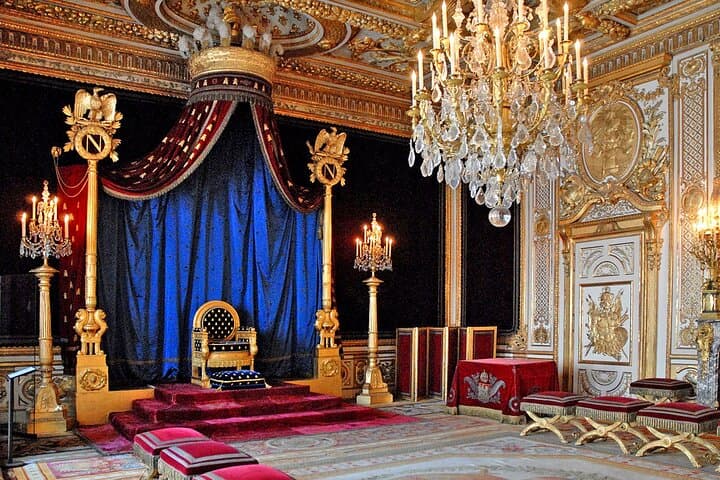
Fontainebleau’s history reads like a ledger of France: royal residence from François I through Napoleon III, a site of artistic patronage and political turning points — Napoleon signed his first abdication here in 1814. Geologically the area sits on sandstone plateaus that gave birth to the sprawling forest, a favorite of climbers and plein-air painters. Just down the road, Barbizon preserves the humble streets where Corot and Millet painted ordinary landscapes into a new vision of modern art.
The tour moves at a steady, accessible pace: about two hours inside the château with access to principal apartments, courtyards and the recently restored Petit Théâtre, then a short stop in Barbizon to see the artist workshops and galleries. Expect cobbled lanes, small galleries, and a chance to visit Millet’s workshop.
Practical notes: meet at Louvre Rivoli metro, the tour runs roughly 5–6 hours roundtrip from Paris, and entrance fees plus an audio guide are included. Wear sturdy shoes for uneven palace thresholds and village streets, bring a water bottle, and allow time for photos in the gardens. If you prefer quieter moments, request a spot near the back of the small group to linger in rooms or the village square.
easy.
5–6 hours.
Suitable for most fitness levels; involves standing and walking on stairs and uneven surfaces for several hours.
Yes — the tour price covers the château entrance ticket and an audio guide as stated in the inclusions.
The meeting point is at Métro Line 1: Louvre Rivoli in front of the France Tourisme agency; arrive 10–15 minutes early.
The tour listing indicates wheelchair access; contact the operator ahead to confirm specific assistance needs and any site restrictions.
Small bags are allowed, but larger items may be restricted; secure storage is sometimes provided—ask your guide on arrival.
Fontainebleau served as a royal residence from François I through Napoleon III and was the site of Napoleon’s first abdication in 1814; it became a UNESCO World Heritage site in 1981.
The château and surrounding forest are actively managed to balance tourism with preservation—stick to marked paths in the forest and respect gallery rules in Barbizon to minimize impact.
France Tourisme operates guided outdoor trips and adventures with an emphasis on safety, stewardship, and memorable experiences.
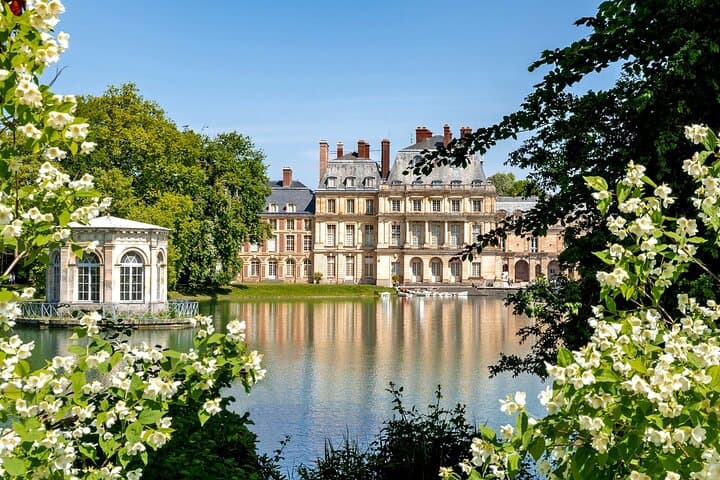
You step out of the minivan as the trees of the Forêt de Fontainebleau press close, the air carrying the dry scent of fallen leaves and old stone. The château’s facade broadens into view — an architectural conversation between Renaissance Italy and French classical taste — and the guide’s voice frames rooms that have hosted kings and emperors.
You step out of the minivan as the trees of the Forêt de Fontainebleau press close, the air carrying the dry scent of fallen leaves and old stone. The château’s facade broadens into view — an architectural conversation between Renaissance Italy and French classical taste — and the guide’s voice frames rooms that have hosted kings and emperors.
Fontainebleau’s history reads like a ledger of France: royal residence from François I through Napoleon III, a site of artistic patronage and political turning points — Napoleon signed his first abdication here in 1814. Geologically the area sits on sandstone plateaus that gave birth to the sprawling forest, a favorite of climbers and plein-air painters. Just down the road, Barbizon preserves the humble streets where Corot and Millet painted ordinary landscapes into a new vision of modern art.
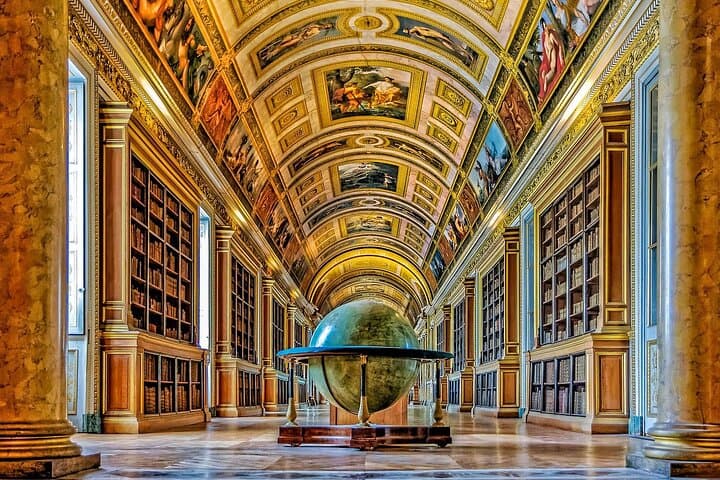
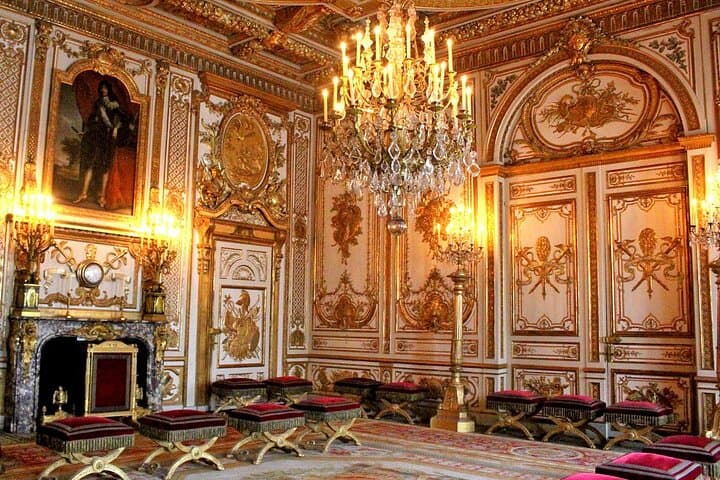
The tour moves at a steady, accessible pace: about two hours inside the château with access to principal apartments, courtyards and the recently restored Petit Théâtre, then a short stop in Barbizon to see the artist workshops and galleries. Expect cobbled lanes, small galleries, and a chance to visit Millet’s workshop.
Practical notes: meet at Louvre Rivoli metro, the tour runs roughly 5–6 hours roundtrip from Paris, and entrance fees plus an audio guide are included. Wear sturdy shoes for uneven palace thresholds and village streets, bring a water bottle, and allow time for photos in the gardens. If you prefer quieter moments, request a spot near the back of the small group to linger in rooms or the village square.