THE ADVENTURE COLLECTIVE® · Independent discovery and booking for outdoor travel

Walk the living maze of Fes el-Bali with a private guide—see Attarine Medersa, the Quaraouiyine exterior, Chouara Tannery, and hidden souk workshops in a 3–4 hour half-day tour. Practical tips included for first-time visitors.
Walk the living maze of Fes el-Bali with a private guide—see Attarine Medersa, the Quaraouiyine exterior, Chouara Tannery, and hidden souk workshops in a 3–4 hour half-day tour. Practical tips included for first-time visitors.
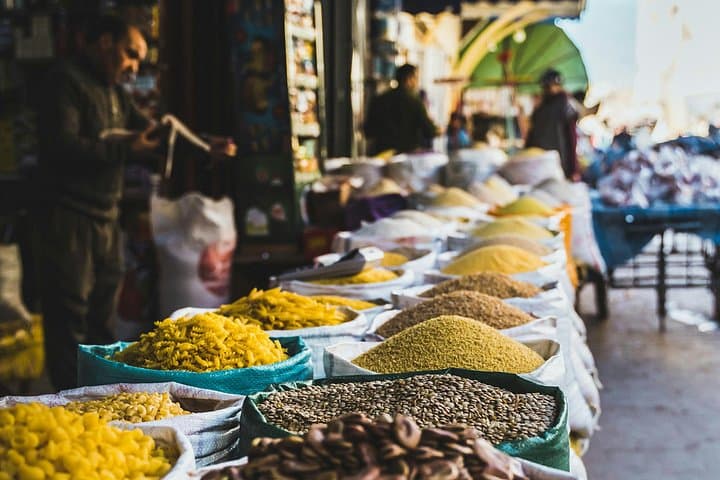
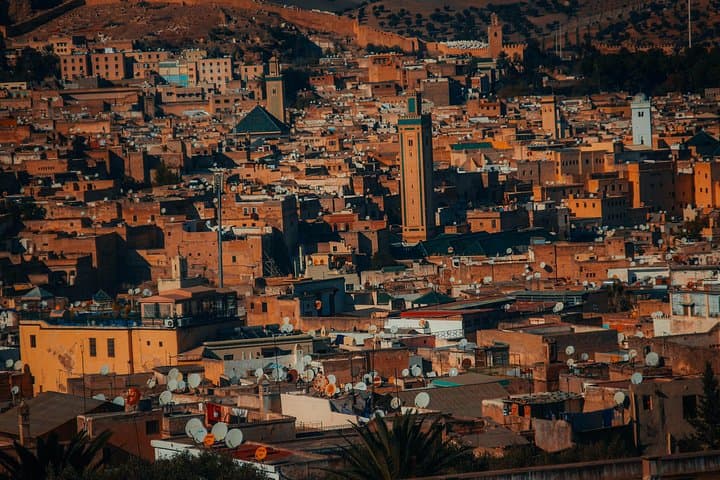
You step through Bab Boujloud and the map of the city falls away—stone alleys fold into each other, vendors call with bright fruit and spice, and the medina breathes its long, human history right at your pace.
Verified experiences and guided adventures in the surrounding area.
Operated by Eye Of Morocco Tours · Fez, Fès-Meknès
You step through Bab Boujloud and the map of the city falls away—stone alleys fold into each other, vendors call with bright fruit and spice, and the medina breathes its long, human history right at your pace.
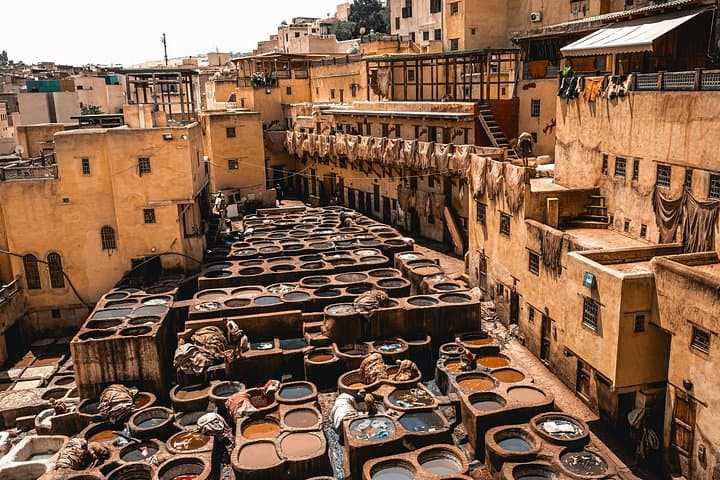
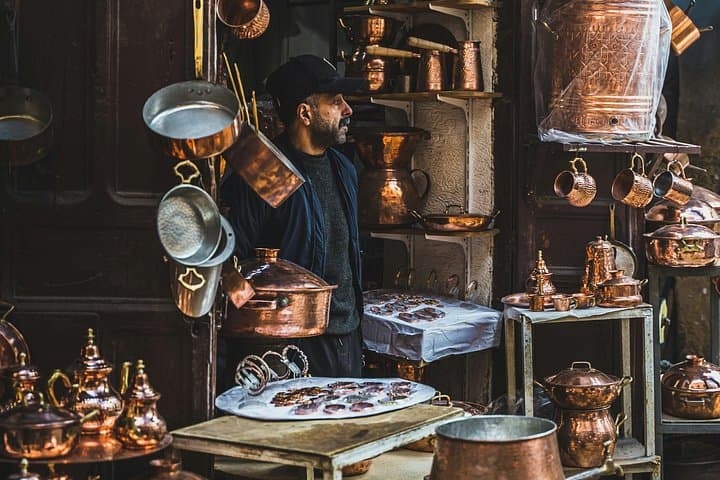
This half-day walking tour threads through Fes el-Bali, one of the world’s largest car-free urban areas, where 9th- and 10th-century foundations meet living craft traditions. Your guide will point out the Attarine Medersa’s carved cedar and zellij tilework, explain the Quaraouiyine complex (home to a historic university founded in 859 by Fatima al-Fihri), and describe the tannery pits that still color leather by methods centuries old. Geology shows in the local limestone and clay that built the walls; culture shows in the daily choreography—donkey drivers, artisans at benches, children racing stone-strewn alleys.
Expect sensory contrast: cool shaded courtyards and sudden open squares; fragrant spices and the sharp tang of tannery vats. Learn how the medina’s craft economy functions, what riads and funduqs once were, and why conservation matters as tourism grows.
Practical guidance: the tour lasts about 3–4 hours, mostly on uneven, narrow streets—comfortable, non-slip shoes are essential. Carry water, sun protection, and small change for local purchases and museum entry (e.g., Nejjarine Museum fees). If you have mobility concerns, note that some areas have steps and crowded passages; the tour notes wheelchair accessibility but confirm pickup logistics. Morning is best for cooler temperatures and softer light for photos; late-afternoon visits offer warmer tones and quieter souqs.
easy.
3–4 hours.
Suitable for most fitness levels; expect standing, walking on uneven surfaces, and occasional narrow, crowded passages.
The tour runs about 3–4 hours at an easy, informative pace with stops at major sites; expect some walking and standing for explanations and photos.
Non-Muslims cannot enter the prayer halls, but guides will explain the history and architecture while you view the exterior and nearby buildings.
Some parts are wheelchair accessible and the operator lists accessibility, but many alleys have steps or uneven paving—confirm pickup logistics and accessible routes in advance.
Tipping is customary—consider a modest tip for your guide and small purchases or craft demonstrations as appreciation for local livelihoods.
Fez grew into a major medieval intellectual and craft center; Al-Qarawiyyin, founded in 859, long served as a religious and educational heart of the city.
Conservation efforts balance tourism with traditional crafts; support local artisans, avoid single-use plastics, and follow guide instructions to minimize wear on fragile streets.
Eye Of Morocco Tours operates guided outdoor trips and adventures with an emphasis on safety, stewardship, and memorable experiences.
You step through Bab Boujloud and the map of the city falls away—stone alleys fold into each other, vendors call with bright fruit and spice, and the medina breathes its long, human history right at your pace.
You step through Bab Boujloud and the map of the city falls away—stone alleys fold into each other, vendors call with bright fruit and spice, and the medina breathes its long, human history right at your pace.
This half-day walking tour threads through Fes el-Bali, one of the world’s largest car-free urban areas, where 9th- and 10th-century foundations meet living craft traditions. Your guide will point out the Attarine Medersa’s carved cedar and zellij tilework, explain the Quaraouiyine complex (home to a historic university founded in 859 by Fatima al-Fihri), and describe the tannery pits that still color leather by methods centuries old. Geology shows in the local limestone and clay that built the walls; culture shows in the daily choreography—donkey drivers, artisans at benches, children racing stone-strewn alleys.
Expect sensory contrast: cool shaded courtyards and sudden open squares; fragrant spices and the sharp tang of tannery vats. Learn how the medina’s craft economy functions, what riads and funduqs once were, and why conservation matters as tourism grows.
Practical guidance: the tour lasts about 3–4 hours, mostly on uneven, narrow streets—comfortable, non-slip shoes are essential. Carry water, sun protection, and small change for local purchases and museum entry (e.g., Nejjarine Museum fees). If you have mobility concerns, note that some areas have steps and crowded passages; the tour notes wheelchair accessibility but confirm pickup logistics. Morning is best for cooler temperatures and softer light for photos; late-afternoon visits offer warmer tones and quieter souqs.