THE ADVENTURE COLLECTIVE® · Independent discovery and booking for outdoor travel

Explore Faial’s volcanic edges and coastal coves on a guided half-day from Horta. Visit Caldeira viewpoints, Praia do Almoxarife, and the stark Capelinhos eruption zone while learning local geology and culture.
Explore Faial’s volcanic edges and coastal coves on a guided half-day from Horta. Visit Caldeira viewpoints, Praia do Almoxarife, and the stark Capelinhos eruption zone while learning local geology and culture.
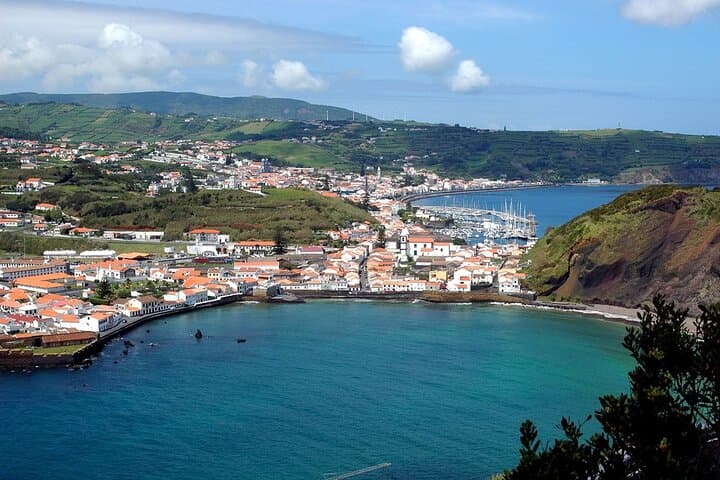
Morning on Faial arrives with wind and scent: the Azores' Atlantic breeze pushes low clouds along the rim of Caldeira and teases the hydrangeas that give the island its nickname, the “Blue Island.” On this half-day circuit from Horta, travelers move from harbor views to volcanic edges—each stop a different facet of Faial's geological story.
Verified experiences and guided adventures in the surrounding area.
Operated by Aerohorta · Horta, Azores
Morning on Faial arrives with wind and scent: the Azores' Atlantic breeze pushes low clouds along the rim of Caldeira and teases the hydrangeas that give the island its nickname, the “Blue Island.” On this half-day circuit from Horta, travelers move from harbor views to volcanic edges—each stop a different facet of Faial's geological story.
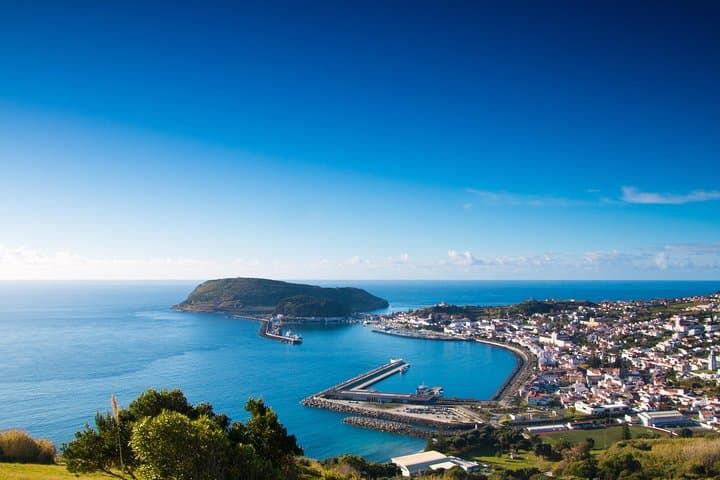
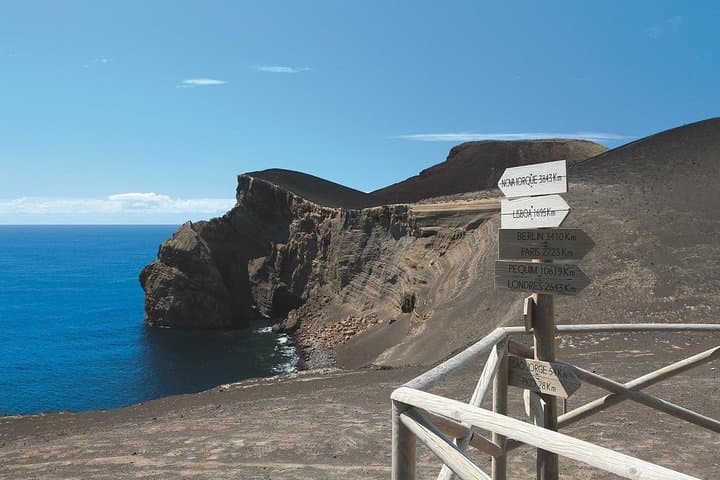
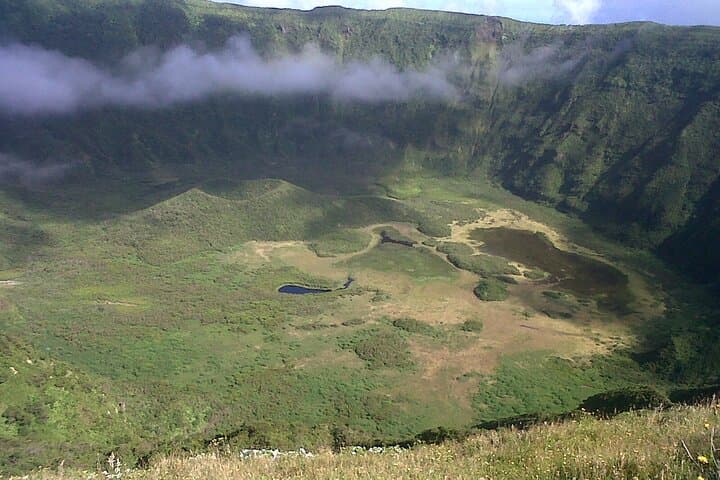
Guides point out Praia do Almoxarife's soft sand and the broad sweep to Pico across the channel. Caldeira, an ancient and dormant crater, frames short panoramic stops where basalt cliffs and scrub meet circular slopes. The route then shifts to Capelinhos, the lunar-scrape left by the 1957–58 eruption; here, pumice fields and stark ash contrast with cultivated villages, a vivid reminder of oceanic volcanism and human resilience. A local handicraft stop offers tea and pottery, a quick window into island daily life.
Expect a relaxed pace—shared transport with several 10–20 minute viewpoints and one longer stop at Capelinhos. The itinerary is suitable for most fitness levels but includes short walks on uneven ground and exposed ridgelines. Bring layered windproof clothing, sun protection, and sturdy shoes for rough volcanic terrain. Timing matters: morning light gives the best views of Pico; afternoons bring more cloud over the caldera.
Practical notes: hotel pickup in Horta, small-group transport, and commentary from a local guide are included. The tour balances easy sightseeing with hands-on geological context, making it an efficient primer in Azorean geology, coastal ecosystems, and island culture.
easy.
3–4 hours.
Suitable for most fitness levels; involves short walks (5–20 minutes) over uneven ground and standing at viewpoints.
The tour runs about 3–4 hours with hotel pickup and drop-off in Horta (local pickup time confirmed after booking).
Yes—there is a visitor area and short walking sections across volcanic terrain; surfaces can be loose so wear sturdy shoes.
The tour is rated easy and suitable for most ages, but some viewpoints require short uneven walks and are not wheelchair accessible.
Guides commonly speak Portuguese and English; check with the operator for additional languages before booking.
Faial was shaped by volcanic episodes including the 1957–58 Capelinhos eruption, which extended the coastline and altered settlement patterns.
Trails and viewpoints sit on fragile volcanic soils; stick to paths, respect restricted zones, and support local craft sellers to benefit the island economy.
Aerohorta operates guided outdoor trips and adventures with an emphasis on safety, stewardship, and memorable experiences.
Morning on Faial arrives with wind and scent: the Azores' Atlantic breeze pushes low clouds along the rim of Caldeira and teases the hydrangeas that give the island its nickname, the “Blue Island.” On this half-day circuit from Horta, travelers move from harbor views to volcanic edges—each stop a different facet of Faial's geological story.
Morning on Faial arrives with wind and scent: the Azores' Atlantic breeze pushes low clouds along the rim of Caldeira and teases the hydrangeas that give the island its nickname, the “Blue Island.” On this half-day circuit from Horta, travelers move from harbor views to volcanic edges—each stop a different facet of Faial's geological story.
Guides point out Praia do Almoxarife's soft sand and the broad sweep to Pico across the channel. Caldeira, an ancient and dormant crater, frames short panoramic stops where basalt cliffs and scrub meet circular slopes. The route then shifts to Capelinhos, the lunar-scrape left by the 1957–58 eruption; here, pumice fields and stark ash contrast with cultivated villages, a vivid reminder of oceanic volcanism and human resilience. A local handicraft stop offers tea and pottery, a quick window into island daily life.
Expect a relaxed pace—shared transport with several 10–20 minute viewpoints and one longer stop at Capelinhos. The itinerary is suitable for most fitness levels but includes short walks on uneven ground and exposed ridgelines. Bring layered windproof clothing, sun protection, and sturdy shoes for rough volcanic terrain. Timing matters: morning light gives the best views of Pico; afternoons bring more cloud over the caldera.
Practical notes: hotel pickup in Horta, small-group transport, and commentary from a local guide are included. The tour balances easy sightseeing with hands-on geological context, making it an efficient primer in Azorean geology, coastal ecosystems, and island culture.