THE ADVENTURE COLLECTIVE® · Independent discovery and booking for outdoor travel

See Faial’s caldera, black-sand coves and the raw 1957–58 Capelinhos eruption site in a four-hour circuit from Horta. This compact tour combines geology, coastal panoramas and accessible viewpoints—ideal for travelers wanting a focused introduction to the island.
See Faial’s caldera, black-sand coves and the raw 1957–58 Capelinhos eruption site in a four-hour circuit from Horta. This compact tour combines geology, coastal panoramas and accessible viewpoints—ideal for travelers wanting a focused introduction to the island.
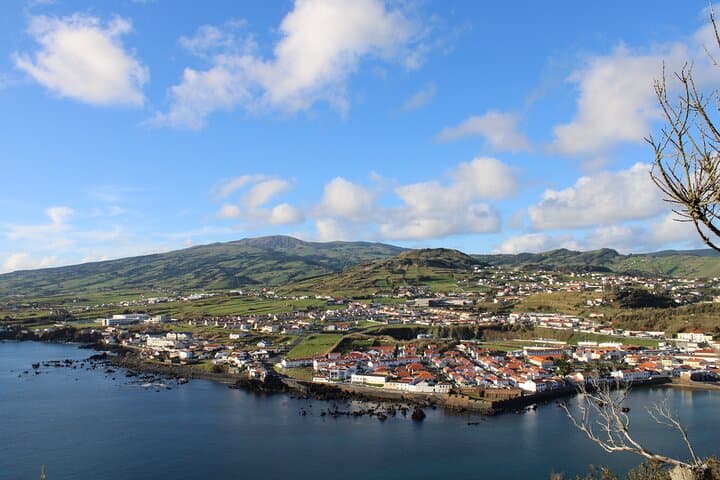
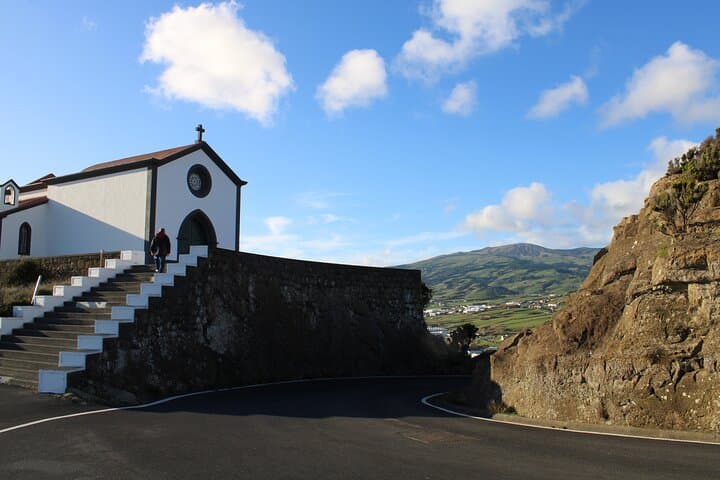
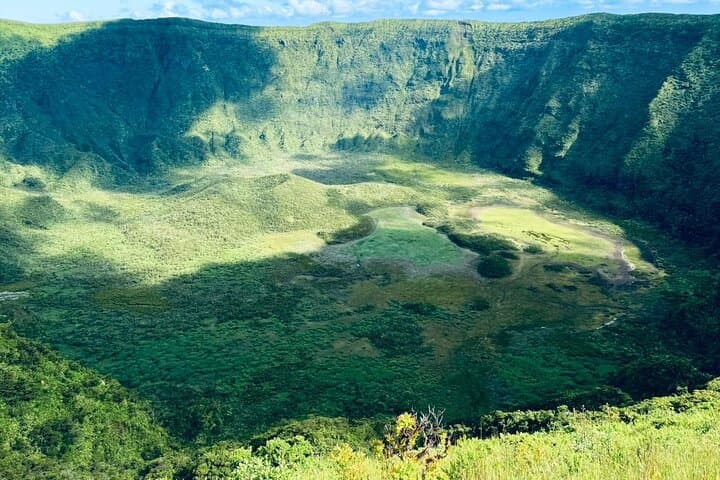
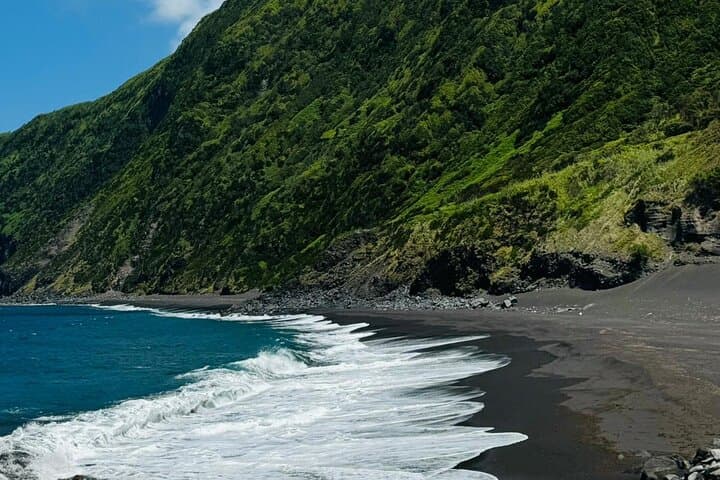
A salt breeze greets the minibus as it slips out of Horta and climbs toward the island’s high center. In four compact hours the route unfolds—an elevated rim view across the great Faial caldeira, a ribbon of black sand at Praia da Fajã, and the jagged, recent scars of Capelinhos volcano where 1957–58 lava rewrote the west coast.
Verified experiences and guided adventures in the surrounding area.
Operated by Walk-In-Blue · Horta, Azores
A salt breeze greets the minibus as it slips out of Horta and climbs toward the island’s high center. In four compact hours the route unfolds—an elevated rim view across the great Faial caldeira, a ribbon of black sand at Praia da Fajã, and the jagged, recent scars of Capelinhos volcano where 1957–58 lava rewrote the west coast.
Geology is the itinerary’s guide: the caldera is a collapsed volcanic chamber roughly 2,000 meters across with ridgelines topping about 1,043 meters, while Capelinhos still shows fresh basalt and pumice laid down in a single dramatic event. Culturally, Horta exists as a mariner’s town—bright murals in the marina, old whaling-era stories at cafés—and the island’s pace is deliberate and practical.
Expect short, accessible stops rather than long hikes: most of the circuit is by air-conditioned minibus with 30–60 minute walk-and-view windows. Your guide will point out geological features, local flora that clings to ash soils, and photographic angles of cliffs and lighthouse ruins. Restroom stops and bottled water are included; vehicles are suitable for families and travelers of mixed abilities.
Practical edge: dress in layers (wind on exposed viewpoints is constant), bring sturdy shoes for uneven volcanic rock, and plan your visit outside midday for softer light. This is a concentrated primer on Faial—perfect for travelers who want a fast, interpretive sweep of an island shaped by fire and ocean.
easy.
4 hours.
Suitable for most fitness levels—primarily vehicle-based with brief, low-intensity walks at viewpoints.
The tour is approximately 4 hours with most time in an air-conditioned vehicle; stops last 30–60 minutes for short walks and viewpoints.
Yes—vehicles are stroller-accessible and stops are short; however, some viewpoints have uneven ground and limited wheelchair access.
Bottled water and transport are included; specific museum or paid attraction admissions are not listed as included.
The operator may cancel for adverse weather; their policy allows a full refund if canceled at least 24 hours before departure or if the tour is canceled due to weather.
Capelinhos’ 1957–58 eruption extended land and displaced families—its remains and lighthouse ruins are tangible reminders of volcanic change that reshaped Faial’s west coast.
The Azores protect sensitive marine and volcanic habitats; stay on established paths, avoid removing rocks or plants, and minimize single-use plastics to reduce visitor impact.
Walk-In-Blue operates guided outdoor trips and adventures with an emphasis on safety, stewardship, and memorable experiences.
A salt breeze greets the minibus as it slips out of Horta and climbs toward the island’s high center. In four compact hours the route unfolds—an elevated rim view across the great Faial caldeira, a ribbon of black sand at Praia da Fajã, and the jagged, recent scars of Capelinhos volcano where 1957–58 lava rewrote the west coast.
A salt breeze greets the minibus as it slips out of Horta and climbs toward the island’s high center. In four compact hours the route unfolds—an elevated rim view across the great Faial caldeira, a ribbon of black sand at Praia da Fajã, and the jagged, recent scars of Capelinhos volcano where 1957–58 lava rewrote the west coast.
Geology is the itinerary’s guide: the caldera is a collapsed volcanic chamber roughly 2,000 meters across with ridgelines topping about 1,043 meters, while Capelinhos still shows fresh basalt and pumice laid down in a single dramatic event. Culturally, Horta exists as a mariner’s town—bright murals in the marina, old whaling-era stories at cafés—and the island’s pace is deliberate and practical.
Expect short, accessible stops rather than long hikes: most of the circuit is by air-conditioned minibus with 30–60 minute walk-and-view windows. Your guide will point out geological features, local flora that clings to ash soils, and photographic angles of cliffs and lighthouse ruins. Restroom stops and bottled water are included; vehicles are suitable for families and travelers of mixed abilities.
Practical edge: dress in layers (wind on exposed viewpoints is constant), bring sturdy shoes for uneven volcanic rock, and plan your visit outside midday for softer light. This is a concentrated primer on Faial—perfect for travelers who want a fast, interpretive sweep of an island shaped by fire and ocean.