THE ADVENTURE COLLECTIVE® · Independent discovery and booking for outdoor travel

Leave Marrakech’s bustle behind for a five-hour exploration of the Ourika Valley and the High Atlas. Enjoy a short guided walk, river-side mint tea, and visits to Berber cooperatives producing argan and olive oil.
Leave Marrakech’s bustle behind for a five-hour exploration of the Ourika Valley and the High Atlas. Enjoy a short guided walk, river-side mint tea, and visits to Berber cooperatives producing argan and olive oil.
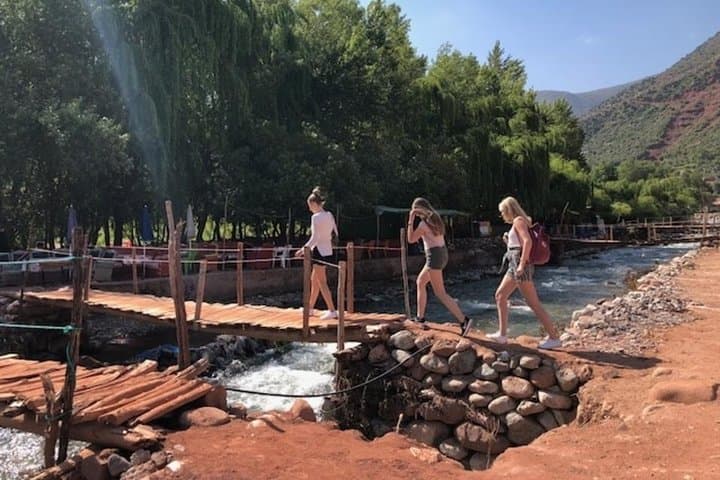
A dust-scented minivan slips out of Marrakech before the city heat peaks, and within an hour the red houses give way to olive terraces and the first folded shoulders of the High Atlas. Rock faces lean into the sky and the Ourika River threads the valley, daring you to slow down and listen.
Verified experiences and guided adventures in the surrounding area.
Operated by Attractive Tours · Marrakech, Marrakesh-Safi
A dust-scented minivan slips out of Marrakech before the city heat peaks, and within an hour the red houses give way to olive terraces and the first folded shoulders of the High Atlas. Rock faces lean into the sky and the Ourika River threads the valley, daring you to slow down and listen.
This five-hour excursion pairs easy access to mountain scenery with a slice of Berber life: clay and stone village houses, women pressing argan oil by hand, and the local ritual of mint tea beside the river. Geologically the High Atlas is young and steep—sharp ridges and folded limestone flank broad alluvial benches where farmers grow almonds and vegetables. Historically the valley has been a seasonal corridor for Amazigh (Berber) communities; today small cooperatives keep traditional crafts and olive presses alive.
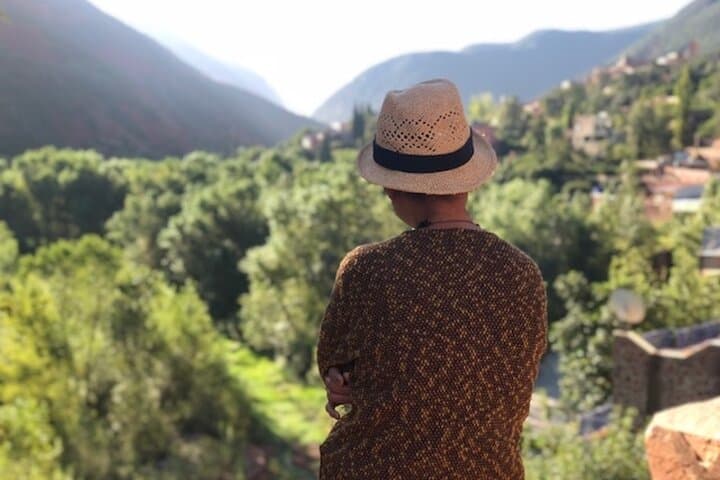
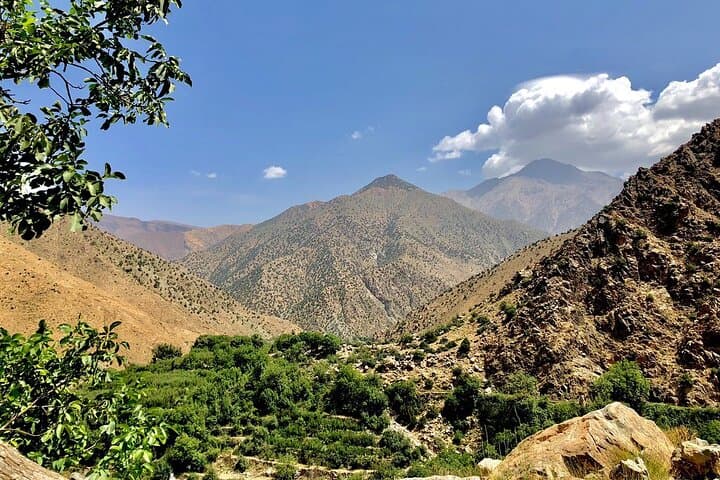
Expect mostly paved roads and a short optional 30-minute walk on uneven village paths and riverbanks; some viewpoints overlook terraces descending toward Marrakech, and on clear days you can sight the High Atlas peaks, including distant Toubkal.
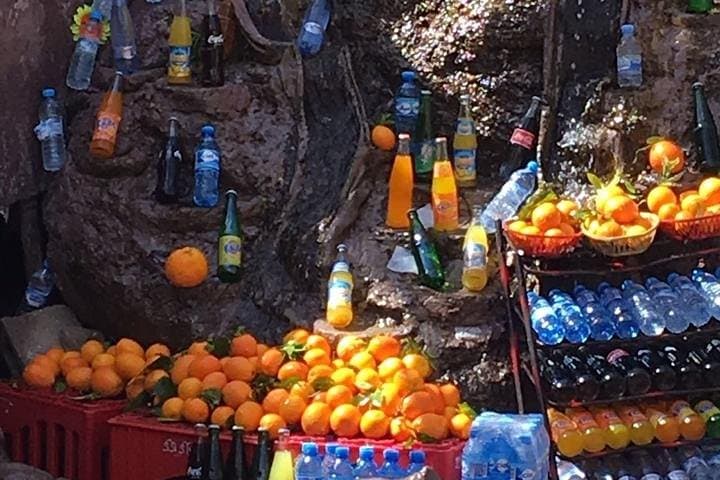
Practical guidance: start early to avoid midday sun, bring sturdy footwear for cobbled lanes, and carry cash for small purchases at cooperatives. Respect local customs—ask before photographing people—and limit single-use plastics by bringing a refillable bottle. A half-day is enough to feel the mountains press close and return to Marrakech refreshed, informed, and with a handful of artisanal treats.
moderate.
5 hours.
Suitable for travelers in light to moderate fitness; able to manage a 30-minute walk on uneven ground.
Yes—hotel pickup and drop-off in Marrakech are included in the tour price.
The guided walk is approximately 30 minutes on uneven village and riverside paths; it's optional and flexible.
A traditional Berber breakfast (mint tea, bread, argan and olive oil, honey) is included; additional snacks or full meals are not.
The tour is family-friendly but the short walk may be challenging for those with mobility issues; inform the operator when booking to arrange pickup logistics.
The Ourika Valley has long been home to Amazigh (Berber) communities; terraced agriculture and cooperative argan production reflect centuries of mountain livelihoods.
Support local cooperatives to keep traditional economies viable, avoid feeding wildlife, and minimize plastic waste to protect the river ecosystem.
Attractive Tours operates guided outdoor trips and adventures with an emphasis on safety, stewardship, and memorable experiences.
A dust-scented minivan slips out of Marrakech before the city heat peaks, and within an hour the red houses give way to olive terraces and the first folded shoulders of the High Atlas. Rock faces lean into the sky and the Ourika River threads the valley, daring you to slow down and listen.
A dust-scented minivan slips out of Marrakech before the city heat peaks, and within an hour the red houses give way to olive terraces and the first folded shoulders of the High Atlas. Rock faces lean into the sky and the Ourika River threads the valley, daring you to slow down and listen.
This five-hour excursion pairs easy access to mountain scenery with a slice of Berber life: clay and stone village houses, women pressing argan oil by hand, and the local ritual of mint tea beside the river. Geologically the High Atlas is young and steep—sharp ridges and folded limestone flank broad alluvial benches where farmers grow almonds and vegetables. Historically the valley has been a seasonal corridor for Amazigh (Berber) communities; today small cooperatives keep traditional crafts and olive presses alive.
Expect mostly paved roads and a short optional 30-minute walk on uneven village paths and riverbanks; some viewpoints overlook terraces descending toward Marrakech, and on clear days you can sight the High Atlas peaks, including distant Toubkal.
Practical guidance: start early to avoid midday sun, bring sturdy footwear for cobbled lanes, and carry cash for small purchases at cooperatives. Respect local customs—ask before photographing people—and limit single-use plastics by bringing a refillable bottle. A half-day is enough to feel the mountains press close and return to Marrakech refreshed, informed, and with a handful of artisanal treats.