THE ADVENTURE COLLECTIVE® · Independent discovery and booking for outdoor travel

Spend a half day with rescued elephants near Siem Reap—prepare feed, join a mud wallow and learn about conservation. This hands-on visit blends meaningful animal care with practical cultural context and hotel pickup.
Spend a half day with rescued elephants near Siem Reap—prepare feed, join a mud wallow and learn about conservation. This hands-on visit blends meaningful animal care with practical cultural context and hotel pickup.
You step out of the van into a low, humid timberline where slow-moving elephants lift trunks like weather vanes, curious and deliberate. Sunlight slices through tall grass as guides greet you with a brief orientation; the air smells of earth, fruit, and river mud.
Verified experiences and guided adventures in the surrounding area.
Operated by About Cambodia Travel & Tours · Siem Reap, Siem Reap Province
You step out of the van into a low, humid timberline where slow-moving elephants lift trunks like weather vanes, curious and deliberate. Sunlight slices through tall grass as guides greet you with a brief orientation; the air smells of earth, fruit, and river mud.
The site sits on the seasonal plains of Siem Reap province, land shaped by Tonlé Sap’s wet-and-dry rhythms and the ancient Khmer use of elephants for transport and logging. Modern sanctuaries here focus on rescue, rehabilitation and community partnerships, offering hands-on activities—preparing feed, mixing digestive blends, joining a mud wallow and bathing alongside the animals—designed to prioritize elephant welfare over spectacle.
Expect an intimate, educational half-day: an introductory talk on elephant biology and local conservation, followed by 90–120 minutes of supervised interaction. Guides explain diet, social behavior and the sanctuary’s role in rehoming elephants previously used in tourism or forestry. Cultural context matters: elephants occupy a complex place in Cambodian history, both as working animals and as symbols in Angkor-era art.
Practical notes: hotel pickup in Siem Reap is standard; plan for 4–5 hours door-to-door. Wear quick-dry, sturdy footwear you don’t mind getting wet, and bring sunscreen, insect repellent and a change of clothes. Hydrate before you arrive—the midday heat can be strong—and follow guide instructions closely when near animals. The experience is suitable for most travelers, and proceeds typically support sanctuary operations and local community initiatives.
easy.
4–5 hours.
Suitable for most fitness levels; involves short walking, bending and standing during activities.
The structured sanctuary activities last roughly 2.5–3 hours within a total 4–5 hour door-to-door excursion including transfers.
Yes—trained guides lead all hands-on activities and enforce safety protocols to protect both guests and elephants.
Yes; the experience is family-friendly though very young children should be supervised closely and follow guide directions.
Sanctuary fees typically fund elephant care, food and local community programs; ask the operator for details on how proceeds are used.
Elephants have been integral to Khmer culture for centuries, used historically in warfare, logging and ceremonial roles; today many sanctuaries aim to heal elephants retired from those industries.
Responsible visits emphasize non-riding interactions, transparent funding for animal care, and community employment to reduce reliance on exploitative animal work.
About Cambodia Travel & Tours operates guided outdoor trips and adventures with an emphasis on safety, stewardship, and memorable experiences.
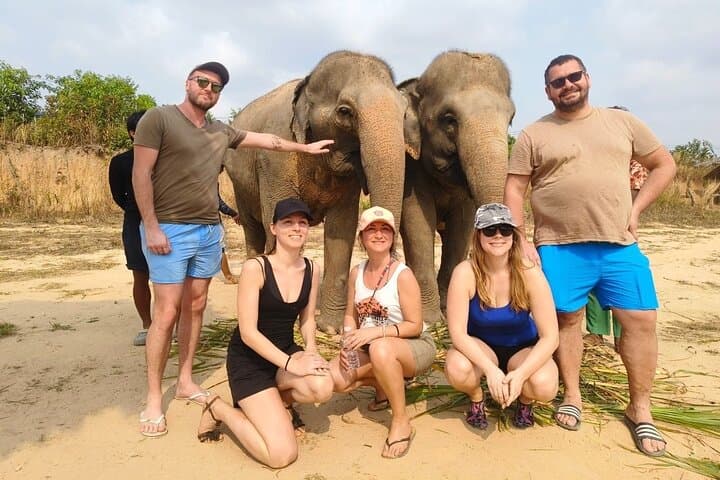
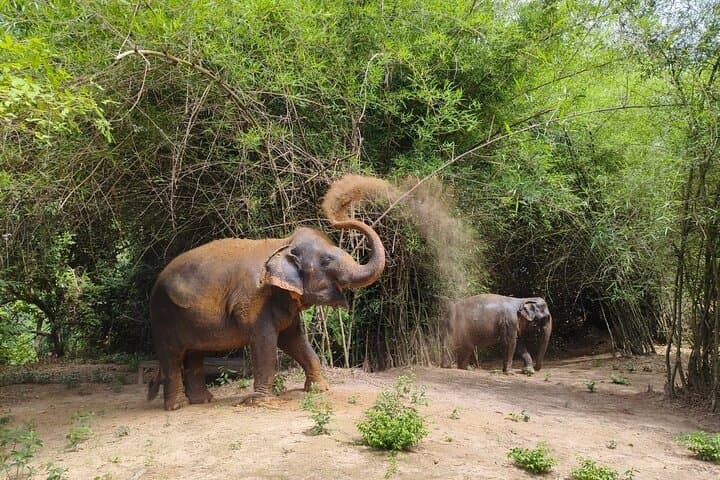
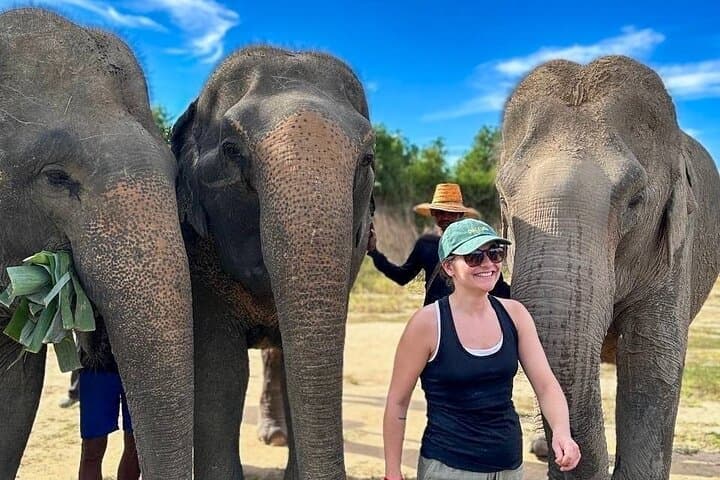
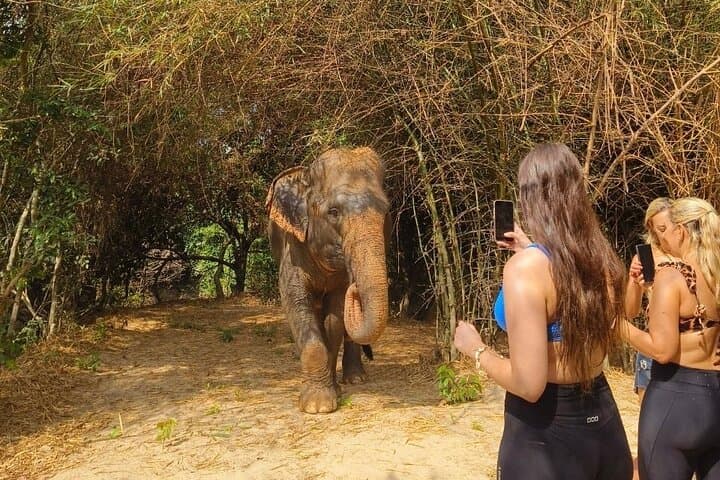
You step out of the van into a low, humid timberline where slow-moving elephants lift trunks like weather vanes, curious and deliberate. Sunlight slices through tall grass as guides greet you with a brief orientation; the air smells of earth, fruit, and river mud.
You step out of the van into a low, humid timberline where slow-moving elephants lift trunks like weather vanes, curious and deliberate. Sunlight slices through tall grass as guides greet you with a brief orientation; the air smells of earth, fruit, and river mud.
The site sits on the seasonal plains of Siem Reap province, land shaped by Tonlé Sap’s wet-and-dry rhythms and the ancient Khmer use of elephants for transport and logging. Modern sanctuaries here focus on rescue, rehabilitation and community partnerships, offering hands-on activities—preparing feed, mixing digestive blends, joining a mud wallow and bathing alongside the animals—designed to prioritize elephant welfare over spectacle.
Expect an intimate, educational half-day: an introductory talk on elephant biology and local conservation, followed by 90–120 minutes of supervised interaction. Guides explain diet, social behavior and the sanctuary’s role in rehoming elephants previously used in tourism or forestry. Cultural context matters: elephants occupy a complex place in Cambodian history, both as working animals and as symbols in Angkor-era art.
Practical notes: hotel pickup in Siem Reap is standard; plan for 4–5 hours door-to-door. Wear quick-dry, sturdy footwear you don’t mind getting wet, and bring sunscreen, insect repellent and a change of clothes. Hydrate before you arrive—the midday heat can be strong—and follow guide instructions closely when near animals. The experience is suitable for most travelers, and proceeds typically support sanctuary operations and local community initiatives.