THE ADVENTURE COLLECTIVE® · Independent discovery and booking for outdoor travel

Spend a mindful half-day observing Asian elephants roaming secondary jungle on Koh Samui. This three-hour program focuses on observation and care — learn mahout traditions, watch mud baths, and enjoy a vegetarian meal with hotel transfer included.
Spend a mindful half-day observing Asian elephants roaming secondary jungle on Koh Samui. This three-hour program focuses on observation and care — learn mahout traditions, watch mud baths, and enjoy a vegetarian meal with hotel transfer included.
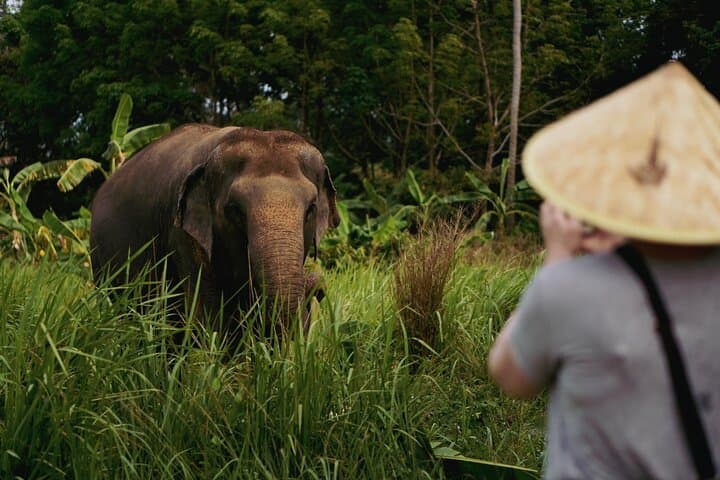
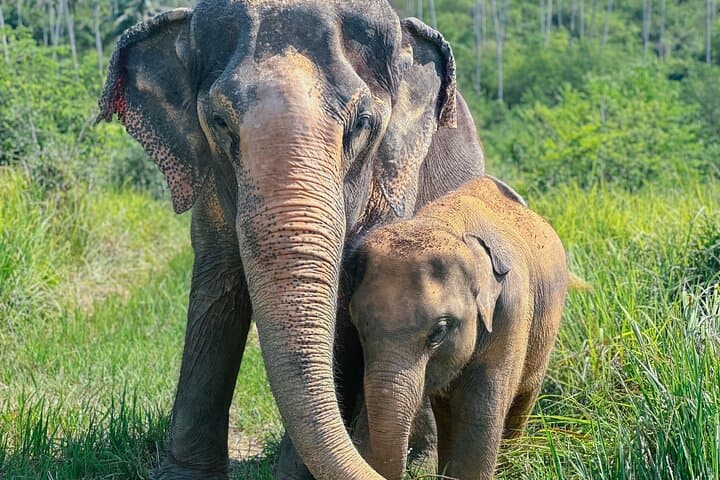
Thick green leaves kiss the rim of a forest track and a low rumble — an elephant calling — shifts the air. You arrive at a small sanctuary on Koh Samui where animals move freely through secondary jungle and shallow pools, and the program centers on observation and care rather than performance.
Verified experiences and guided adventures in the surrounding area.
Operated by Samui Elephant Home · Koh Samui, Surat Thani
Thick green leaves kiss the rim of a forest track and a low rumble — an elephant calling — shifts the air. You arrive at a small sanctuary on Koh Samui where animals move freely through secondary jungle and shallow pools, and the program centers on observation and care rather than performance.
The sanctuary sits on an island shaped by coral foundations and volcanic rock; the soil here feeds lowland rainforest and patches of coconut plantations that tell Samui’s agricultural past. Elephants in southern Thailand have long been part of local culture: once logging animals, many have been retrained by mahouts whose craft stretches back generations. The sanctuary’s guides share that history and the practical steps involved in modern elephant care.
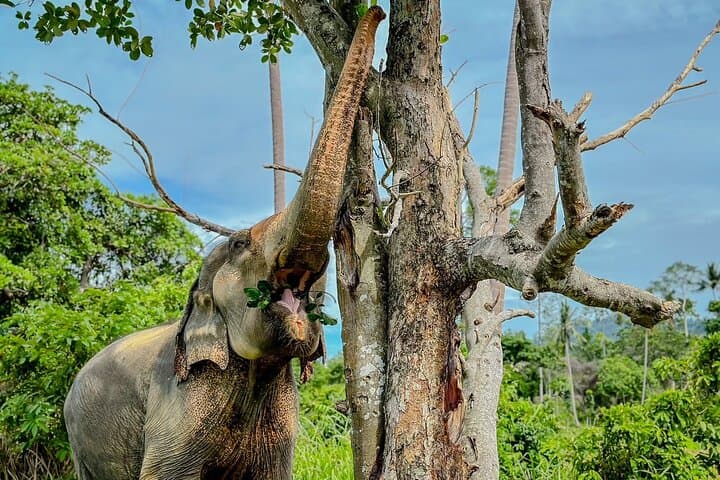
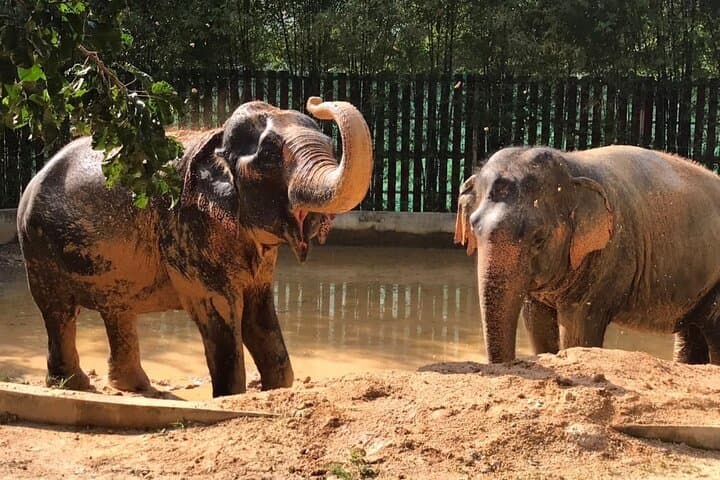
Expect to watch elephants forage, cool off in mud, and accept gentle hose baths from mahouts. The experience includes a short guided talk, time to observe at respectful distance, and a vegetarian meal afterward, all within a three-hour window with hotel transfer.
Practically: wear quick-dry clothing and closed-toe shoes that can get muddy, bring sun protection and insect repellent, and carry a small bottle of water. Photography is welcome but avoid flash and sudden movements near the animals. Groups are small enough to keep disturbance minimal, and the sanctuary emphasizes welfare over interaction — this is observation and support rather than riding.
For travelers seeking an ethical wildlife encounter on Samui, this half-day offers direct learning, intimate viewing, and a clear view of how conservation and local livelihoods intersect on the island.
easy.
3 hours.
Suitable for most fitness levels; involves short walks on uneven ground and standing during observation periods
This program emphasizes observation and welfare; direct touching and feeding are generally not part of the itinerary—follow the guide’s instructions for any supervised interactions.
Yes — roundtrip transfer from most Samui hotels is included; confirm your pickup point at booking and allow flexible timing for island traffic.
Families are welcome; the experience is suitable for most ages but check with the operator about very young children and mobility needs.
The sanctuary may cancel or reschedule in heavy rain for safety and animal welfare; cancellation policies typically allow refunds if you cancel at least 24 hours in advance.
Elephants in southern Thailand were historically used in logging and agriculture; sanctuaries on Samui now aim to retrain and care for animals retired from work while preserving mahout knowledge.
Choose sanctuaries that prohibit riding and prioritize natural behaviors; supporting observation-focused centers helps reduce demand for exploitative tourism and funds local care.
Samui Elephant Home operates guided outdoor trips and adventures with an emphasis on safety, stewardship, and memorable experiences.
Thick green leaves kiss the rim of a forest track and a low rumble — an elephant calling — shifts the air. You arrive at a small sanctuary on Koh Samui where animals move freely through secondary jungle and shallow pools, and the program centers on observation and care rather than performance.
Thick green leaves kiss the rim of a forest track and a low rumble — an elephant calling — shifts the air. You arrive at a small sanctuary on Koh Samui where animals move freely through secondary jungle and shallow pools, and the program centers on observation and care rather than performance.
The sanctuary sits on an island shaped by coral foundations and volcanic rock; the soil here feeds lowland rainforest and patches of coconut plantations that tell Samui’s agricultural past. Elephants in southern Thailand have long been part of local culture: once logging animals, many have been retrained by mahouts whose craft stretches back generations. The sanctuary’s guides share that history and the practical steps involved in modern elephant care.
Expect to watch elephants forage, cool off in mud, and accept gentle hose baths from mahouts. The experience includes a short guided talk, time to observe at respectful distance, and a vegetarian meal afterward, all within a three-hour window with hotel transfer.
Practically: wear quick-dry clothing and closed-toe shoes that can get muddy, bring sun protection and insect repellent, and carry a small bottle of water. Photography is welcome but avoid flash and sudden movements near the animals. Groups are small enough to keep disturbance minimal, and the sanctuary emphasizes welfare over interaction — this is observation and support rather than riding.
For travelers seeking an ethical wildlife encounter on Samui, this half-day offers direct learning, intimate viewing, and a clear view of how conservation and local livelihoods intersect on the island.