THE ADVENTURE COLLECTIVE® · Independent discovery and booking for outdoor travel

A concentrated cultural circuit through Cairo: spend the morning among ancient artifacts at the Egyptian Museum and the afternoon bargaining and sipping coffee in Khan el-Khalili. Perfect for visitors who want history, context, and local flavor in a single half-day.
A concentrated cultural circuit through Cairo: spend the morning among ancient artifacts at the Egyptian Museum and the afternoon bargaining and sipping coffee in Khan el-Khalili. Perfect for visitors who want history, context, and local flavor in a single half-day.
You step from an air-conditioned vehicle into the square outside the Egyptian Museum and the city breathes around you — honking traffic, vendors calling, and the slow shuffle of tourists threading through glass cases of antiquity.
Verified experiences and guided adventures in the surrounding area.
Operated by Egypt Lifetime Tours · Cairo, Cairo
You step from an air-conditioned vehicle into the square outside the Egyptian Museum and the city breathes around you — honking traffic, vendors calling, and the slow shuffle of tourists threading through glass cases of antiquity.
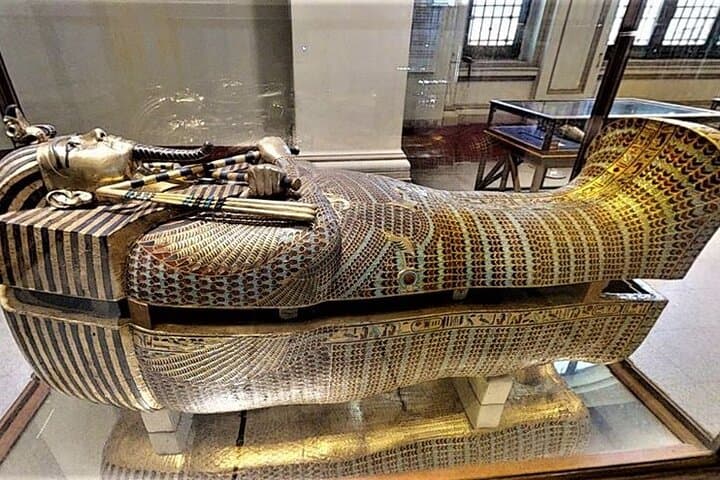
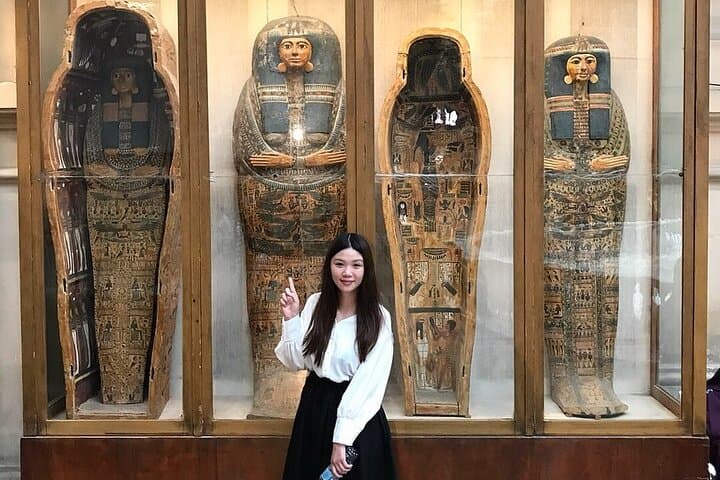
Inside, halls of stone and gold map five millennia: colossal statues lean like watchful elders, canopic jars glare from shadowed shelves, and a room of gilded objects tells the cold, precise story of Tutankhamun’s burial. The museum, opened in the early 20th century to house Egypt’s official antiquities, holds more than 250,000 objects; the most iconic pieces demand space and time to register.
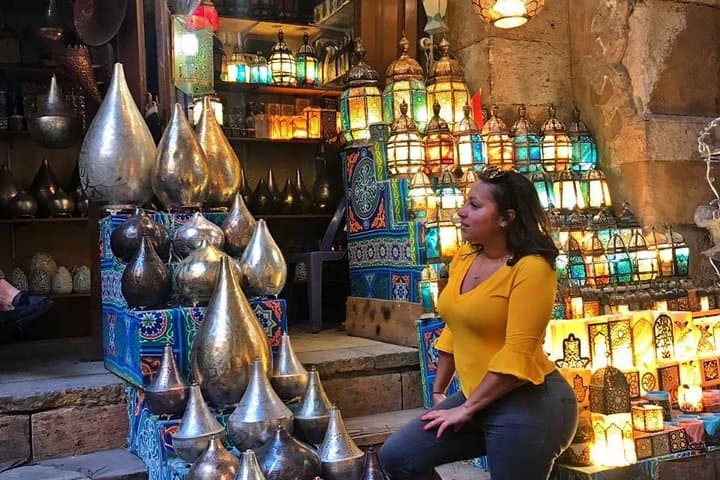
After a focused museum visit, the afternoon shifts to narrow lanes of Khan el-Khalili, a bazaar founded in 1382 where copperware clinks, spices perfume the air, and coffeehouses keep time with slow pours and conversation. Haggling is expected; local etiquette favors patience and a smile.
Practicalities shape a smooth half day: buy museum tickets in advance or expect lines, note the extra fee for the mummy room, and follow security protocols. Mornings are cooler and less crowded; bring a small daypack, comfortable walking shoes, and cash for small purchases. The guide provides context—dates, dynasties, and provenance—so your time is efficient and richly informed.
This is a compact cultural loop: intense, accessible, and grounded in the material traces of ancient statecraft and everyday Cairo life. Expect sensory contrast — cool galleries then the bazaar’s noisy intimacy — and plan your timing to get both at their liveliest.
easy.
5 hours.
Suitable for average fitness; involves several hours on foot with short walks and standing in galleries
No; the tour price typically excludes museum entrance fees and any special tickets (for example, the mummy room) which you pay on site.
Yes — private A/C vehicle pickup and return from hotels in Cairo or Giza are included; airport pickup/drop-off is available for an extra fee.
The tour is wheelchair accessible in many areas, but some museum sections and bazaar streets can be uneven; notify the operator about accessibility needs.
Expect roughly three hours at the museum and about 90 minutes at Khan el-Khalili, with transport time included in the 5-hour schedule.
The Egyptian Museum (opened 1902) concentrates artifacts from prehistoric to late Pharaonic periods; Khan el-Khalili was established in 1382 and has been a trade hub since the Mamluk era.
Conservation is active but challenged by large collections and urban pollution; visitors help by following photography rules and not touching artifacts or fragile surfaces.
Egypt Lifetime Tours operates guided outdoor trips and adventures with an emphasis on safety, stewardship, and memorable experiences.

You step from an air-conditioned vehicle into the square outside the Egyptian Museum and the city breathes around you — honking traffic, vendors calling, and the slow shuffle of tourists threading through glass cases of antiquity.
You step from an air-conditioned vehicle into the square outside the Egyptian Museum and the city breathes around you — honking traffic, vendors calling, and the slow shuffle of tourists threading through glass cases of antiquity.
Inside, halls of stone and gold map five millennia: colossal statues lean like watchful elders, canopic jars glare from shadowed shelves, and a room of gilded objects tells the cold, precise story of Tutankhamun’s burial. The museum, opened in the early 20th century to house Egypt’s official antiquities, holds more than 250,000 objects; the most iconic pieces demand space and time to register.
After a focused museum visit, the afternoon shifts to narrow lanes of Khan el-Khalili, a bazaar founded in 1382 where copperware clinks, spices perfume the air, and coffeehouses keep time with slow pours and conversation. Haggling is expected; local etiquette favors patience and a smile.
Practicalities shape a smooth half day: buy museum tickets in advance or expect lines, note the extra fee for the mummy room, and follow security protocols. Mornings are cooler and less crowded; bring a small daypack, comfortable walking shoes, and cash for small purchases. The guide provides context—dates, dynasties, and provenance—so your time is efficient and richly informed.
This is a compact cultural loop: intense, accessible, and grounded in the material traces of ancient statecraft and everyday Cairo life. Expect sensory contrast — cool galleries then the bazaar’s noisy intimacy — and plan your timing to get both at their liveliest.