THE ADVENTURE COLLECTIVE® · Independent discovery and booking for outdoor travel

Combine a guided game drive at Tala Game Reserve with an immersive visit to Phezulu Safari Park for Zulu cultural performances. In six hours you’ll see giraffes, zebras and wetlands birds, then experience traditional song and dance.
Combine a guided game drive at Tala Game Reserve with an immersive visit to Phezulu Safari Park for Zulu cultural performances. In six hours you’ll see giraffes, zebras and wetlands birds, then experience traditional song and dance.
The Land Rover eases across grass that smells of dust and sun; giraffes lift their heads like slow flags while flocks of birds stitch the sky above reed-lined pans. On a half-day from Durban, this route moves fast enough to thrill and slow enough to notice—the glint in an impala's eye, the way wetlands hold light.
Verified experiences and guided adventures in the surrounding area.
Operated by African Cape Safaris · Durban, KwaZulu-Natal
The Land Rover eases across grass that smells of dust and sun; giraffes lift their heads like slow flags while flocks of birds stitch the sky above reed-lined pans. On a half-day from Durban, this route moves fast enough to thrill and slow enough to notice—the glint in an impala's eye, the way wetlands hold light.
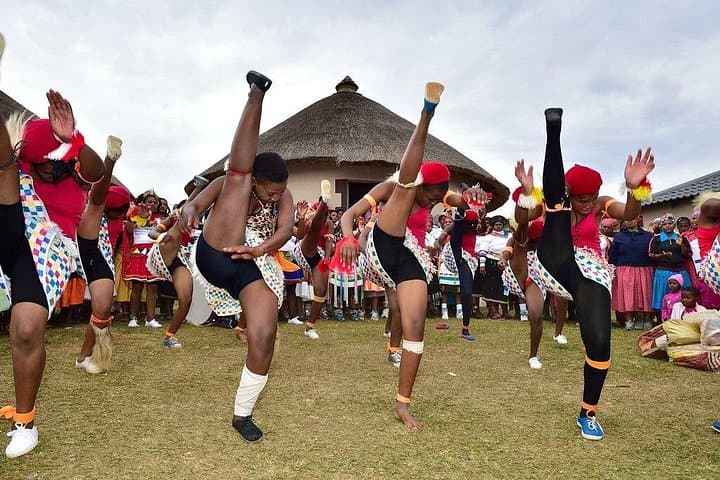
Tala Game Reserve occupies former farmland rewilded into open savanna and wetland, part of KwaZulu-Natal’s patchwork of private reserves that protect species and migratory birds. Nearby Phezulu Safari Park recreates Zulu homestead life, allowing visitors to see how customs, beadwork and rhythmic dance grew from this land’s history: the Zulu kingdom’s social structures and oral traditions remain central to community identity.
Geologically, the reserve sits on rolling foothills of the KwaZulu-Natal interior where grassland gives way to scattered thorn trees and seasonal pans; during rains the shallow wetlands become magnet sites for waders and breeding frogs. Culture here is tactile—drumming, spear demonstrations and open conversation with guides translate past and present.
Practical guidance: morning drives increase chances of sightings when animals feed and temperatures are cool. Wear neutral clothing, bring a zoom lens or binoculars, and pack sun protection; vehicles follow unpaved tracks, so expect dust. The village visit involves standing and brief walking on uneven ground—respectful behavior and photography permission are appreciated.
This half-day combines wildlife viewing with cultural context, making it an efficient, accessible introduction to KwaZulu-Natal’s natural and human landscapes.
easy.
6 hours.
Suitable for most fitness levels; involves sitting in vehicle and short standing/walking at the cultural site
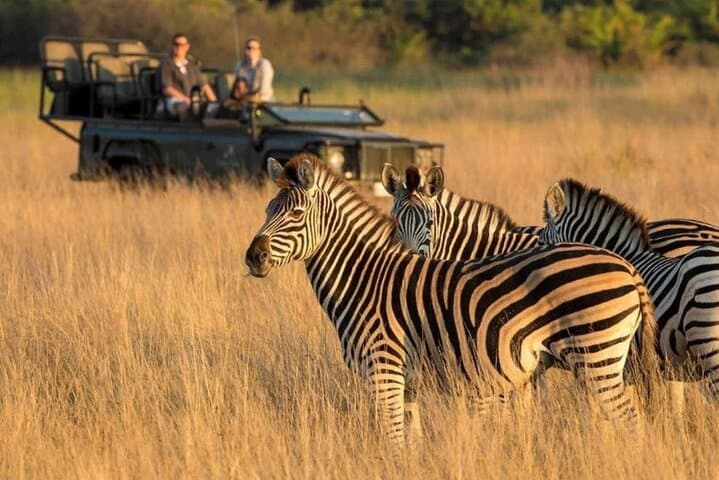
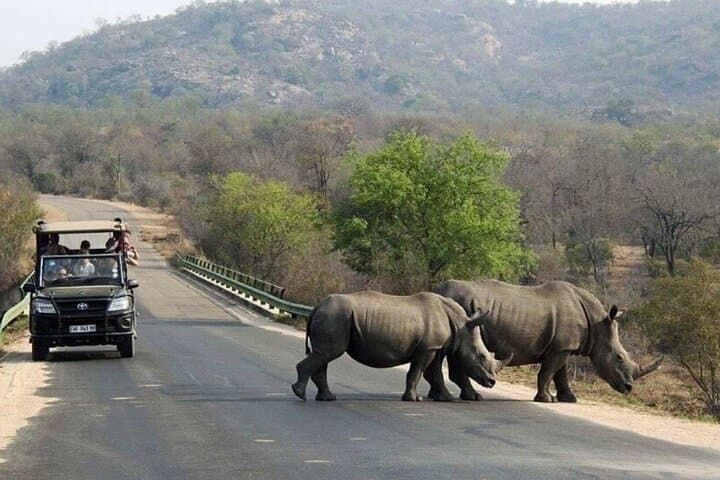
Common sightings include giraffe, zebra, impala and a wide range of wetland and grassland birds; rhino and hippo are possible but not guaranteed.
Yes—Phezulu’s homestead and dance performances are family-friendly, though children should be supervised during interactive segments.
Tours typically include centralized pickup; confirm your pickup point when booking as options may vary.
The operator lists wheelchair-accessible transportation and surfaces for the cultural site, but vehicle access on safari tracks may be limited—notify the operator in advance.
Tala and Phezulu sit within KwaZulu-Natal’s historic landscape where the Zulu kingdom’s influence shaped settlement patterns and cultural practices still visible today.
Tala is part of a network of private reserves focused on habitat restoration and community-based tourism; visitors are encouraged to minimize disturbance and support local guidelines.
African Cape Safaris operates guided outdoor trips and adventures with an emphasis on safety, stewardship, and memorable experiences.

The Land Rover eases across grass that smells of dust and sun; giraffes lift their heads like slow flags while flocks of birds stitch the sky above reed-lined pans. On a half-day from Durban, this route moves fast enough to thrill and slow enough to notice—the glint in an impala's eye, the way wetlands hold light.
The Land Rover eases across grass that smells of dust and sun; giraffes lift their heads like slow flags while flocks of birds stitch the sky above reed-lined pans. On a half-day from Durban, this route moves fast enough to thrill and slow enough to notice—the glint in an impala's eye, the way wetlands hold light.
Tala Game Reserve occupies former farmland rewilded into open savanna and wetland, part of KwaZulu-Natal’s patchwork of private reserves that protect species and migratory birds. Nearby Phezulu Safari Park recreates Zulu homestead life, allowing visitors to see how customs, beadwork and rhythmic dance grew from this land’s history: the Zulu kingdom’s social structures and oral traditions remain central to community identity.
Geologically, the reserve sits on rolling foothills of the KwaZulu-Natal interior where grassland gives way to scattered thorn trees and seasonal pans; during rains the shallow wetlands become magnet sites for waders and breeding frogs. Culture here is tactile—drumming, spear demonstrations and open conversation with guides translate past and present.
Practical guidance: morning drives increase chances of sightings when animals feed and temperatures are cool. Wear neutral clothing, bring a zoom lens or binoculars, and pack sun protection; vehicles follow unpaved tracks, so expect dust. The village visit involves standing and brief walking on uneven ground—respectful behavior and photography permission are appreciated.
This half-day combines wildlife viewing with cultural context, making it an efficient, accessible introduction to KwaZulu-Natal’s natural and human landscapes.