THE ADVENTURE COLLECTIVE® · Independent discovery and booking for outdoor travel

Experience Old Dubai’s creekside markets and modern icons in one efficient route. This private half-day tour pairs cultural context with easy walking and seamless transfers.
Experience Old Dubai’s creekside markets and modern icons in one efficient route. This private half-day tour pairs cultural context with easy walking and seamless transfers.
The morning air along Dubai Creek feels deliberate, the water daring you to slow down. Wooden abras cut through the creek’s reflective surface as the city’s glass towers watch from across the water — a compressed history of trade and ambition in one sweep.
Verified experiences and guided adventures in the surrounding area.
Operated by Muhammad Rafiq Faisal · Dubai, Dubai
The morning air along Dubai Creek feels deliberate, the water daring you to slow down. Wooden abras cut through the creek’s reflective surface as the city’s glass towers watch from across the water — a compressed history of trade and ambition in one sweep.
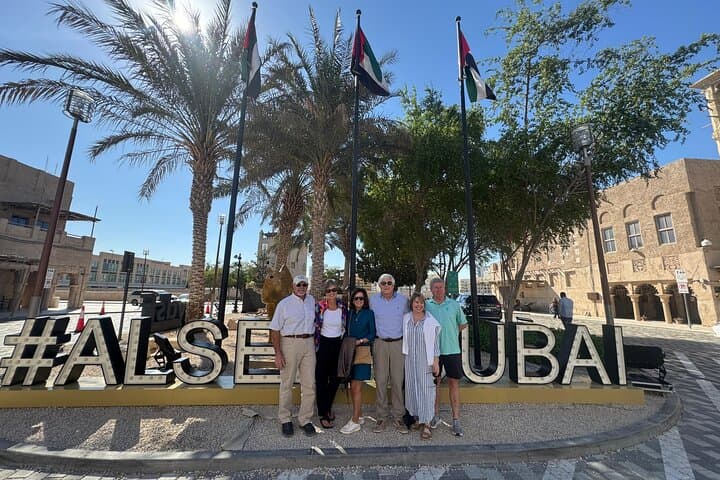
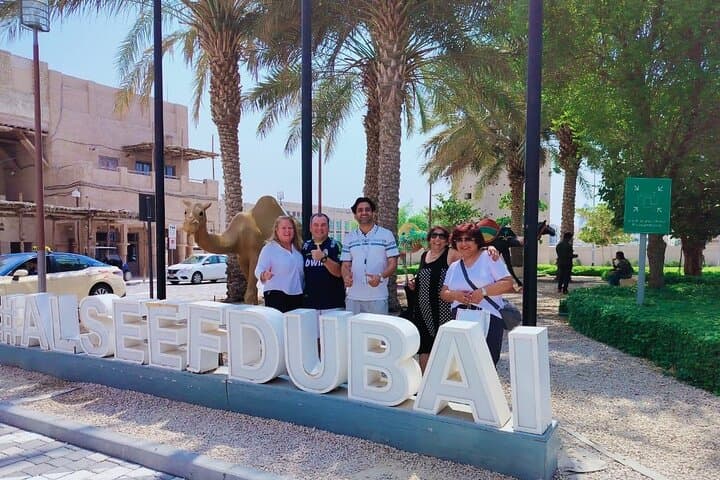
Start in Al Seef where wind-tower forms and timbered dhows meet contemporary cafés. Walk into Al Fahidi Historical District and the city’s pre-oil life opens in narrow alleys, courtyard galleries, and the Coffee Museum. Cross the creek in a traditional abra; the boat’s motion is a short lesson in Dubai’s trading past and the physical geography of a tidal creek that shaped settlement patterns.
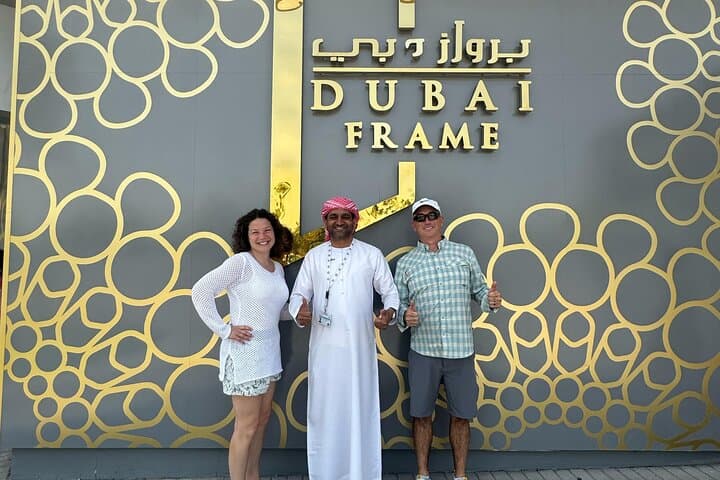
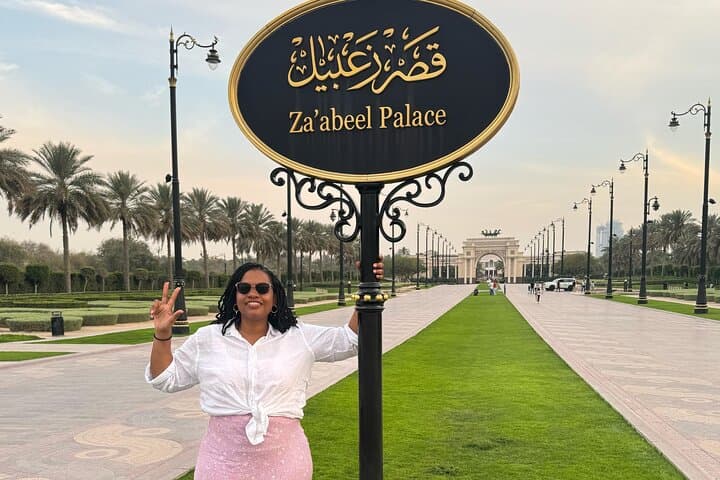
The itinerary threads through the Gold and Spice souks — sensory centers of mercantile history — and pauses at architectural markers like Dubai Frame and Zabeel Palace for context on modern ruling institutions. Later, the coastline offers a contrast: Jumeirah’s white sand and the sail silhouette of Burj Al Arab, then the soaring Burj Khalifa and the choreographed Dubai Fountain, showing the city’s engineering and design ambitions.
Practical guidance: this private, 4–5 hour tour is mostly flat walking with multiple short stops and vehicle transfers. Dress modestly for mosque visits — shoulders and knees covered for all visitors; women may be asked to wear a headscarf inside certain mosques. Start early or late afternoon in summer to avoid peak heat, carry water, and expect busy markets that reward patient navigation. Accessibility is generally good; confirm specific pickup and any mobility needs when you book. With a mix of living heritage and modern spectacle, the route gives a compact, contextual view of Dubai you can experience comfortably in half a day.
easy.
4–5 hours.
Suitable for most fitness levels; expect several short walking segments (roughly 2–4 km total) and some standing.
Yes—private pickup and drop-off within Dubai is included; provide your pickup point when booking.
Many mosques welcome visitors outside prayer times; modest dress is required and some interiors may have guided visiting hours.
Yes, the traditional abra ride across Dubai Creek is included as part of the itinerary.
The tour lists wheelchair accessibility for many stops, but accessibility can vary by site; inform the operator of mobility needs when booking so they can tailor the route.
Dubai grew from a 19th-century trading and pearling hub on the creek into a 20th–21st century global city; the tour traces that transition through marketplaces, waterways, and modern architecture.
Rapid coastal development has stressed shoreline and creek habitats; travelers can help by minimizing plastic use, staying on designated paths, and supporting locally operated businesses that follow sustainable practices.
Muhammad Rafiq Faisal operates guided outdoor trips and adventures with an emphasis on safety, stewardship, and memorable experiences.
The morning air along Dubai Creek feels deliberate, the water daring you to slow down. Wooden abras cut through the creek’s reflective surface as the city’s glass towers watch from across the water — a compressed history of trade and ambition in one sweep.
The morning air along Dubai Creek feels deliberate, the water daring you to slow down. Wooden abras cut through the creek’s reflective surface as the city’s glass towers watch from across the water — a compressed history of trade and ambition in one sweep.
Start in Al Seef where wind-tower forms and timbered dhows meet contemporary cafés. Walk into Al Fahidi Historical District and the city’s pre-oil life opens in narrow alleys, courtyard galleries, and the Coffee Museum. Cross the creek in a traditional abra; the boat’s motion is a short lesson in Dubai’s trading past and the physical geography of a tidal creek that shaped settlement patterns.
The itinerary threads through the Gold and Spice souks — sensory centers of mercantile history — and pauses at architectural markers like Dubai Frame and Zabeel Palace for context on modern ruling institutions. Later, the coastline offers a contrast: Jumeirah’s white sand and the sail silhouette of Burj Al Arab, then the soaring Burj Khalifa and the choreographed Dubai Fountain, showing the city’s engineering and design ambitions.
Practical guidance: this private, 4–5 hour tour is mostly flat walking with multiple short stops and vehicle transfers. Dress modestly for mosque visits — shoulders and knees covered for all visitors; women may be asked to wear a headscarf inside certain mosques. Start early or late afternoon in summer to avoid peak heat, carry water, and expect busy markets that reward patient navigation. Accessibility is generally good; confirm specific pickup and any mobility needs when you book. With a mix of living heritage and modern spectacle, the route gives a compact, contextual view of Dubai you can experience comfortably in half a day.