THE ADVENTURE COLLECTIVE® · Independent discovery and booking for outdoor travel

See Dubai’s contrasts in a single half‑day: the Burj Al Arab skyline, the Jumeirah Mosque, a traditional abra across Dubai Creek, and the spice and gold souks — finished with a stop at Dubai Mall and the Burj Khalifa. Perfect for travelers who want an efficient primer on the city.
See Dubai’s contrasts in a single half‑day: the Burj Al Arab skyline, the Jumeirah Mosque, a traditional abra across Dubai Creek, and the spice and gold souks — finished with a stop at Dubai Mall and the Burj Khalifa. Perfect for travelers who want an efficient primer on the city.
Morning light hits the sail-shaped silhouette of the Burj Al Arab and the city hums awake — that first image anchors this half-day sweep through Dubai’s extremes: futuristic towers, a living creek and narrow souk alleys.
Verified experiences and guided adventures in the surrounding area.
Operated by AHORA DUBAI · Dubai, Dubai
Morning light hits the sail-shaped silhouette of the Burj Al Arab and the city hums awake — that first image anchors this half-day sweep through Dubai’s extremes: futuristic towers, a living creek and narrow souk alleys.
The route threads the modern skyline with the older spine of the city. Dubai’s rise from a fishing and pearling settlement on the sheltered creek explains why wooden dhows still crowd the water; the creek carved the trade routes that turned a desert fringe into a port city. Geologically, you’re on a coastal alluvial plain where dredging and land reclamation reshaped the shoreline during the emirate’s rapid growth.
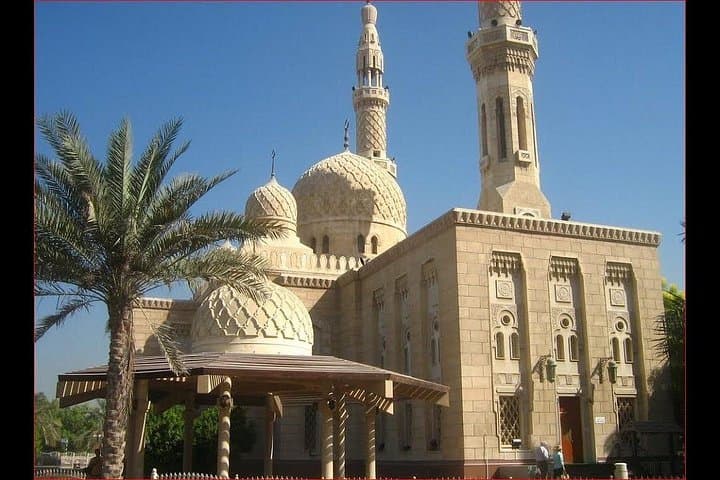
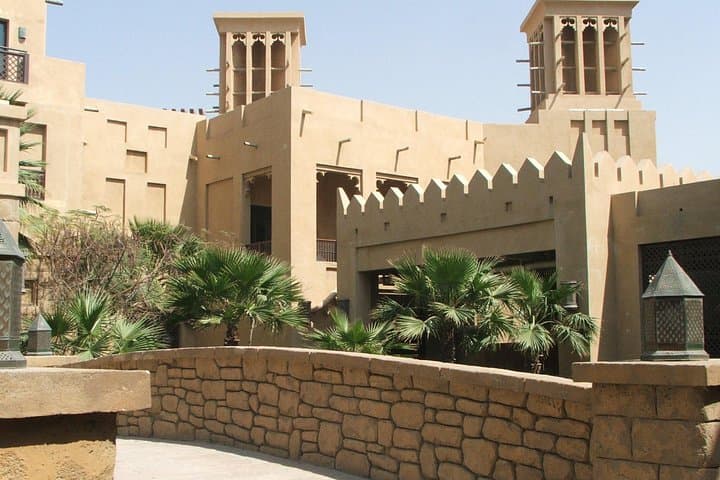
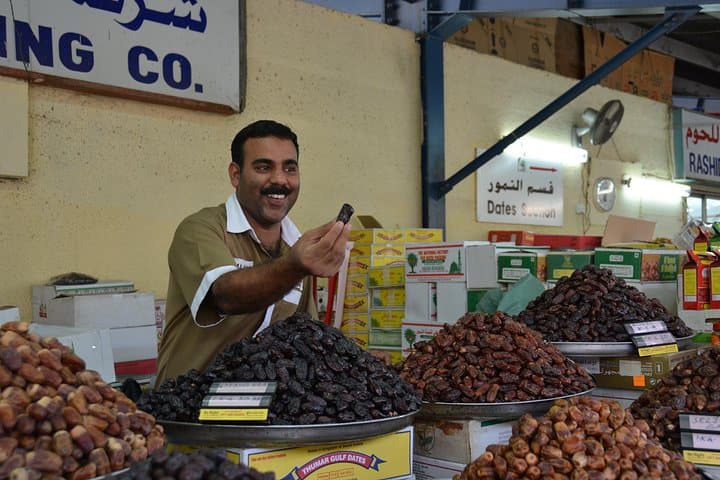
Cultural landmarks include the ornate Jumeirah Mosque (a modern expression of Islamic architecture), the wind-tower houses of Al Fahidi (practical pre‑air‑conditioning design) and the sensory overload of the Spice and Gold souks. A short abra ride across the Creek offers a hands-on counterpoint to the glass-and-steel of Dubai Mall and the Burj Khalifa’s towering finish.
Practical guidance: the tour uses an air‑conditioned coach with hotel pickup, runs about 4–5 hours, and suits most fitness levels — expect short walks and market surfaces that are uneven. Dress conservatively at religious sites, carry water, and keep small notes for market purchases. Photographs are plentiful; timing mid-morning helps avoid the hottest part of the day and crowds at the mall. For travelers wanting a compact primer on Dubai, this half‑day loops the city’s visual contrasts efficiently while leaving time to linger afterward at the mall or return to the beachfront.
easy.
4–5 hours.
Minimal stamina required; able to walk short distances and board a small abra boat.
Yes, the tour includes pickup from most centrally located hotels or an agreed meeting point; confirm your pickup details at booking.
Non-Muslim visitors may enter on guided tours; modest dress is required and female visitors should bring a headscarf.
This tour stops at Dubai Mall and provides exterior views of Burj Khalifa; Burj Khalifa tower entry requires separate timed tickets.
The abra crossing is short and family‑friendly, but boarding involves stepping down into a small boat — assistance may be needed for limited mobility.
Dubai Creek was the original nucleus of settlement and trade—pearling and dhow commerce drove its growth before oil transformed the economy.
Support licensed guides and local markets; avoid single‑use plastics where possible and respect protected shoreline habitats near the Creek.
AHORA DUBAI operates guided outdoor trips and adventures with an emphasis on safety, stewardship, and memorable experiences.
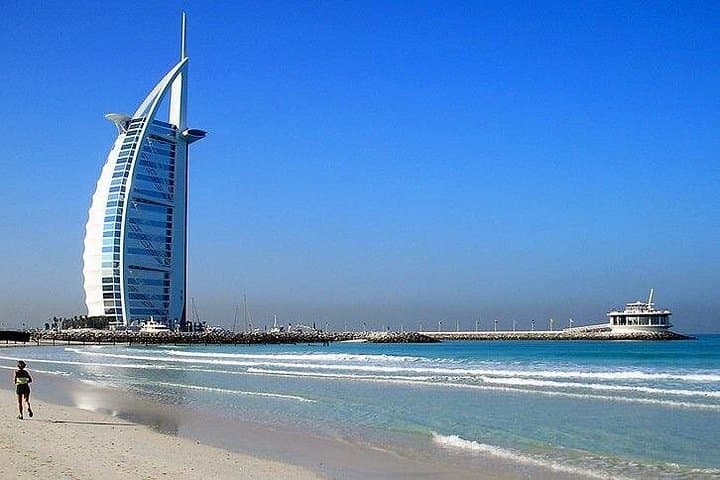
Morning light hits the sail-shaped silhouette of the Burj Al Arab and the city hums awake — that first image anchors this half-day sweep through Dubai’s extremes: futuristic towers, a living creek and narrow souk alleys.
Morning light hits the sail-shaped silhouette of the Burj Al Arab and the city hums awake — that first image anchors this half-day sweep through Dubai’s extremes: futuristic towers, a living creek and narrow souk alleys.
The route threads the modern skyline with the older spine of the city. Dubai’s rise from a fishing and pearling settlement on the sheltered creek explains why wooden dhows still crowd the water; the creek carved the trade routes that turned a desert fringe into a port city. Geologically, you’re on a coastal alluvial plain where dredging and land reclamation reshaped the shoreline during the emirate’s rapid growth.
Cultural landmarks include the ornate Jumeirah Mosque (a modern expression of Islamic architecture), the wind-tower houses of Al Fahidi (practical pre‑air‑conditioning design) and the sensory overload of the Spice and Gold souks. A short abra ride across the Creek offers a hands-on counterpoint to the glass-and-steel of Dubai Mall and the Burj Khalifa’s towering finish.
Practical guidance: the tour uses an air‑conditioned coach with hotel pickup, runs about 4–5 hours, and suits most fitness levels — expect short walks and market surfaces that are uneven. Dress conservatively at religious sites, carry water, and keep small notes for market purchases. Photographs are plentiful; timing mid-morning helps avoid the hottest part of the day and crowds at the mall. For travelers wanting a compact primer on Dubai, this half‑day loops the city’s visual contrasts efficiently while leaving time to linger afterward at the mall or return to the beachfront.