THE ADVENTURE COLLECTIVE® · Independent discovery and booking for outdoor travel

Climb into the high forest above Chiang Mai for a focused half-day that pairs the gilded splendor of Wat Phra That Doi Suthep with the quieter, creekside atmosphere of Wat Pha Lad. This private tour balances big views and cultural depth in about five hours.
Climb into the high forest above Chiang Mai for a focused half-day that pairs the gilded splendor of Wat Phra That Doi Suthep with the quieter, creekside atmosphere of Wat Pha Lad. This private tour balances big views and cultural depth in about five hours.
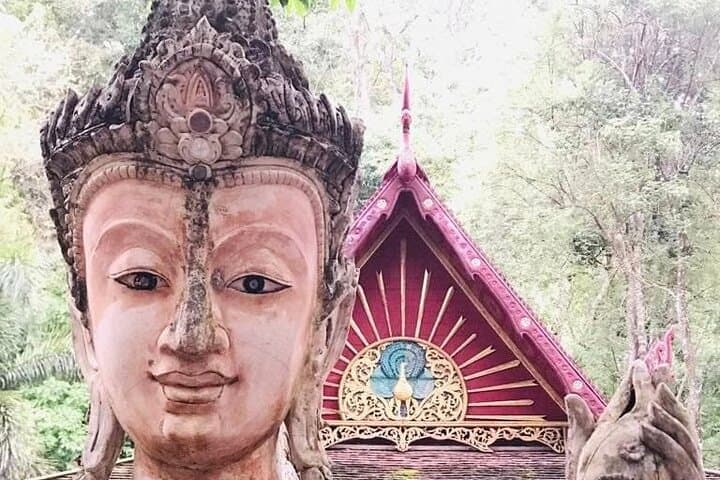
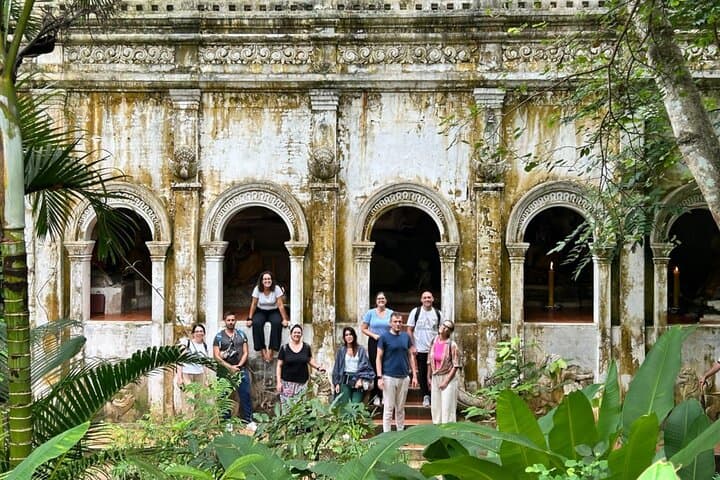
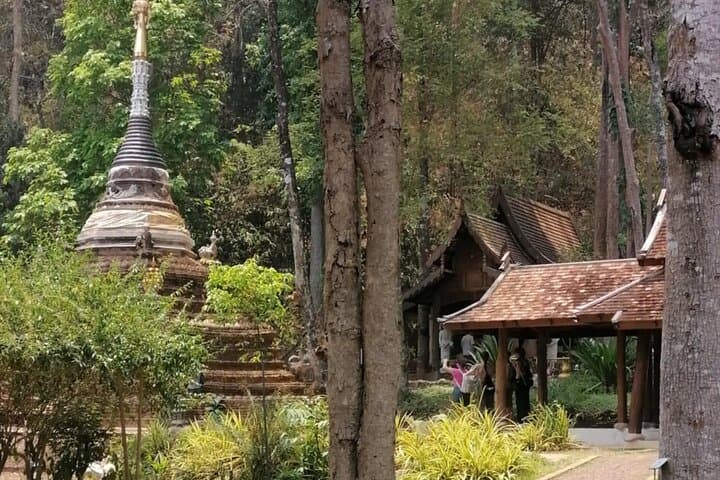
You step out of the air-conditioned vehicle into a highland hush: the road has climbed through pine and teak, cicadas punctuate the damp air, and the city below opens like a folded map. Wat Phra That Doi Suthep crowns the ridge with a gilded chedi that flashes in the noon sun; below, a narrower path threads into the forest to Wat Pha Lad, the so-called hidden temple where moss-soft stones and a clear creek slow your pace.
Verified experiences and guided adventures in the surrounding area.
Operated by Thailanddrive · Chiang Mai, Chiang Mai
You step out of the air-conditioned vehicle into a highland hush: the road has climbed through pine and teak, cicadas punctuate the damp air, and the city below opens like a folded map. Wat Phra That Doi Suthep crowns the ridge with a gilded chedi that flashes in the noon sun; below, a narrower path threads into the forest to Wat Pha Lad, the so-called hidden temple where moss-soft stones and a clear creek slow your pace.
Doi Suthep sits roughly 1,000 m above sea level and has been a pilgrimage site since the 14th century, an outcrop of Lanna history and Buddhist practice. Geologically the mountain is a modest upland of sandstone and shale; its slope supports mixed evergreen and dry dipterocarp forests that change texture with the season. Local culture is visible in monk alms, incense rituals, and carved nagas guarding stairways. Pha Lad preserves a quieter, monastic character amid stream crossings and roots that clutch temple walls.
Practically: allow 4–5 hours for pickup, ascent, time at both temples, and return. Decide before you go whether to take the cable car or climb the famous 306 naga steps—both deliver the views but the stairs require steady knees. Dress modestly (shoulders and knees covered) and carry water, sunscreen, and insect repellent. The route is suitable for light walkers; expect short, uneven steps and one or two slick sections near the creek. If you visit in the late afternoon, light softens the gilding and temperatures drop—bring a light layer. Respect rituals, avoid loud behavior in shrine areas, and leave offerings at designated spots only.
easy.
4–5 hours.
Suitable for travelers in light to moderate condition; able to walk short flights of stairs and uneven paths.
Admission is typically payable on site; some private tours include the fee—confirm with your operator before departure.
Yes; the cable car is a short ride to the temple and available both directions, saving the effort of the stairs.
Key temple areas have steps and uneven surfaces; full wheelchair access is limited—contact the operator to discuss alternatives or drop-off points.
Basic facilities and small food stalls are available near the main temple; carry snacks if you need specific dietary items.
Wat Phra That Doi Suthep was established as a major Lanna-era pilgrimage site in the 14th century and is tied to Chiang Mai’s founding legends.
The mountain is part of Doi Suthep–Pui National Park; stick to marked trails, avoid feeding wildlife, and use refillable bottles to reduce plastic waste.
Thailanddrive operates guided outdoor trips and adventures with an emphasis on safety, stewardship, and memorable experiences.
You step out of the air-conditioned vehicle into a highland hush: the road has climbed through pine and teak, cicadas punctuate the damp air, and the city below opens like a folded map. Wat Phra That Doi Suthep crowns the ridge with a gilded chedi that flashes in the noon sun; below, a narrower path threads into the forest to Wat Pha Lad, the so-called hidden temple where moss-soft stones and a clear creek slow your pace.
You step out of the air-conditioned vehicle into a highland hush: the road has climbed through pine and teak, cicadas punctuate the damp air, and the city below opens like a folded map. Wat Phra That Doi Suthep crowns the ridge with a gilded chedi that flashes in the noon sun; below, a narrower path threads into the forest to Wat Pha Lad, the so-called hidden temple where moss-soft stones and a clear creek slow your pace.
Doi Suthep sits roughly 1,000 m above sea level and has been a pilgrimage site since the 14th century, an outcrop of Lanna history and Buddhist practice. Geologically the mountain is a modest upland of sandstone and shale; its slope supports mixed evergreen and dry dipterocarp forests that change texture with the season. Local culture is visible in monk alms, incense rituals, and carved nagas guarding stairways. Pha Lad preserves a quieter, monastic character amid stream crossings and roots that clutch temple walls.
Practically: allow 4–5 hours for pickup, ascent, time at both temples, and return. Decide before you go whether to take the cable car or climb the famous 306 naga steps—both deliver the views but the stairs require steady knees. Dress modestly (shoulders and knees covered) and carry water, sunscreen, and insect repellent. The route is suitable for light walkers; expect short, uneven steps and one or two slick sections near the creek. If you visit in the late afternoon, light softens the gilding and temperatures drop—bring a light layer. Respect rituals, avoid loud behavior in shrine areas, and leave offerings at designated spots only.