THE ADVENTURE COLLECTIVE® · Independent discovery and booking for outdoor travel

See Doha’s contrasts in four hours: the engineered elegance of The Pearl, the cultural programming at Katara, the old port’s waterfront, and the bustling alleys of Souq Waqif. This compact tour pairs skyline viewpoints with authentic market life.
See Doha’s contrasts in four hours: the engineered elegance of The Pearl, the cultural programming at Katara, the old port’s waterfront, and the bustling alleys of Souq Waqif. This compact tour pairs skyline viewpoints with authentic market life.
The tour starts with the city at eye level: a low-slung Corniche curving along the Gulf, glass towers climbing skyward, and the man-made islands of The Pearl glinting like a designed coastline. In four hours a small-group driver-guide threads between new and old Doha — the breeze off the waterfront pushing visitors from one scene to the next.
Verified experiences and guided adventures in the surrounding area.
Operated by Oryx Tourism · Doha, Doha
The tour starts with the city at eye level: a low-slung Corniche curving along the Gulf, glass towers climbing skyward, and the man-made islands of The Pearl glinting like a designed coastline. In four hours a small-group driver-guide threads between new and old Doha — the breeze off the waterfront pushing visitors from one scene to the next.
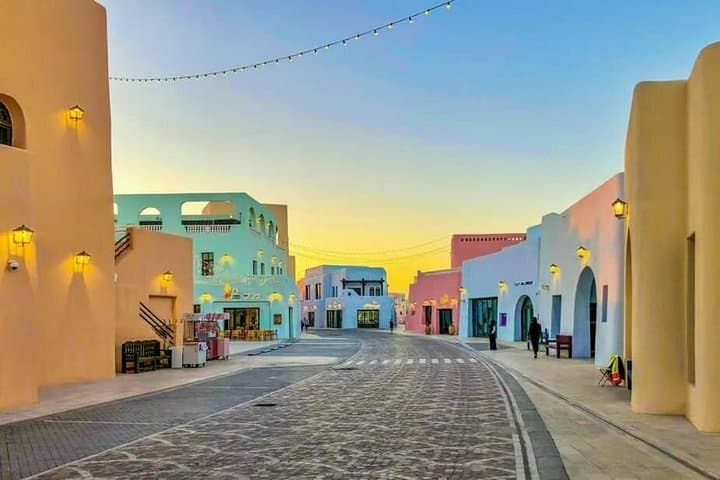
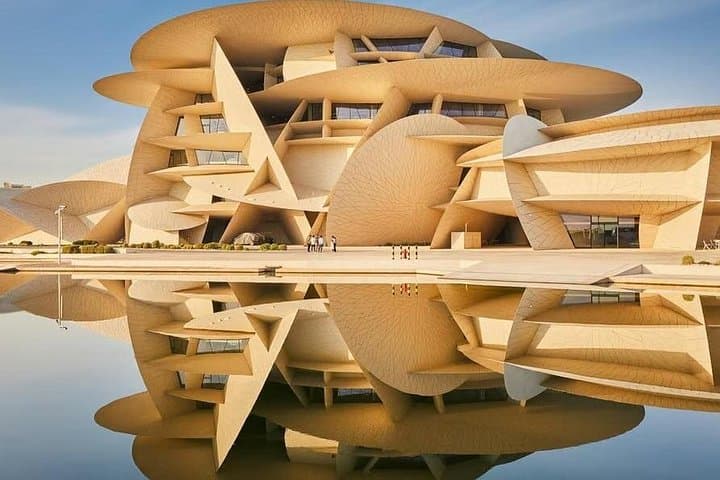
This is a study in rapid urban change. Doha grew from a fishing and pearl-diving port into Qatar’s capital over the 20th century; modern projects like The Pearl (400 hectares of reclaimed land) and Katara Cultural Village sit beside the traditional lanes of Souq Waqif, rebuilt in the late 20th century to preserve vernacular façades. Geologically the city rests on coastal sabkha and sedimentary limestone; the flatness keeps panoramas wide and uninterrupted.
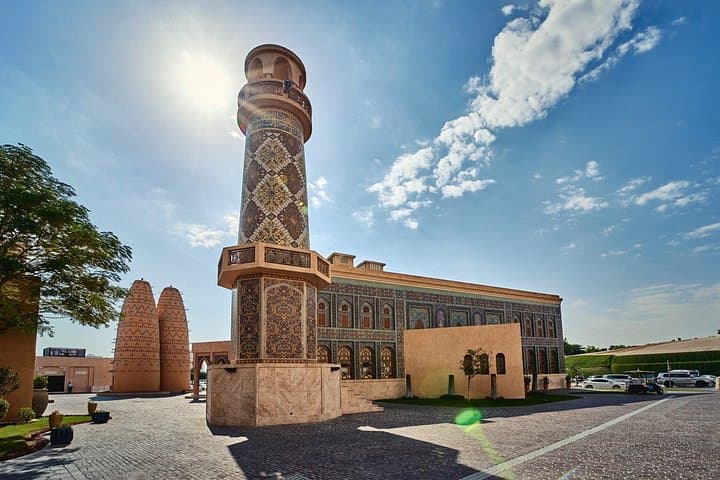
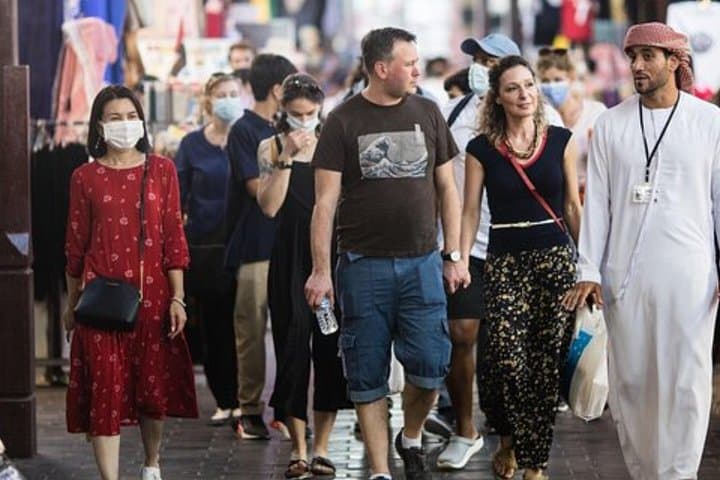
Culturally the route balances civic pride and daily life: Katara’s galleries and performance spaces showcase state-sponsored arts, while Souq Waqif still hums with merchants selling spices, textiles and falconry gear. The old port and Corniche offer views of dhows and high-rises — an urban shoreline where wind and light animate the skyline.
Practical guidance: expect short walks on paved alleys and promenades, minimal elevation, and ample air-conditioned transport between stops. Bring sun protection, a reusable water bottle, and modest clothing for visits to cultural sites. Midday in summer becomes intense; early-morning or late-afternoon departures are more comfortable. For first-time visitors this half-day offers a concise orientation—visual, historical and practical—helping travelers map Doha’s contrasts before deeper exploration.
easy.
4 hours.
Minimal fitness required; capable of short walks on flat, paved surfaces and stepping on/off an air-conditioned vehicle
No. The tour visits external viewpoints and public areas; individual museum admissions and special exhibitions are not included.
Pickup options depend on booking—confirm your pickup point when reserving; public transport and central meeting points are also possible.
The itinerary notes stroller access for infants and short, level walks; wheelchair access varies by individual site—confirm specific needs ahead of time.
Early morning or late afternoon are best for comfort and light; avoid midday in summer when temperatures peak.
Doha expanded rapidly after oil and gas revenues in the mid-20th century; Souq Waqif was reconstructed as a traditional market area while new developments like The Pearl were created as international residential and retail projects.
Coastal reclamation and rapid development have altered shoreline habitats; visitors can reduce impact by minimizing plastic use, following local site rules, and staying on designated walkways.
Oryx Tourism operates guided outdoor trips and adventures with an emphasis on safety, stewardship, and memorable experiences.
The tour starts with the city at eye level: a low-slung Corniche curving along the Gulf, glass towers climbing skyward, and the man-made islands of The Pearl glinting like a designed coastline. In four hours a small-group driver-guide threads between new and old Doha — the breeze off the waterfront pushing visitors from one scene to the next.
The tour starts with the city at eye level: a low-slung Corniche curving along the Gulf, glass towers climbing skyward, and the man-made islands of The Pearl glinting like a designed coastline. In four hours a small-group driver-guide threads between new and old Doha — the breeze off the waterfront pushing visitors from one scene to the next.
This is a study in rapid urban change. Doha grew from a fishing and pearl-diving port into Qatar’s capital over the 20th century; modern projects like The Pearl (400 hectares of reclaimed land) and Katara Cultural Village sit beside the traditional lanes of Souq Waqif, rebuilt in the late 20th century to preserve vernacular façades. Geologically the city rests on coastal sabkha and sedimentary limestone; the flatness keeps panoramas wide and uninterrupted.
Culturally the route balances civic pride and daily life: Katara’s galleries and performance spaces showcase state-sponsored arts, while Souq Waqif still hums with merchants selling spices, textiles and falconry gear. The old port and Corniche offer views of dhows and high-rises — an urban shoreline where wind and light animate the skyline.
Practical guidance: expect short walks on paved alleys and promenades, minimal elevation, and ample air-conditioned transport between stops. Bring sun protection, a reusable water bottle, and modest clothing for visits to cultural sites. Midday in summer becomes intense; early-morning or late-afternoon departures are more comfortable. For first-time visitors this half-day offers a concise orientation—visual, historical and practical—helping travelers map Doha’s contrasts before deeper exploration.