THE ADVENTURE COLLECTIVE® · Independent discovery and booking for outdoor travel

Explore My Son's red-brick Cham towers on a half-day guided tour from Hoi An. This compact visit blends archaeology, local performance, and easy walking through a culturally significant UNESCO site.
Explore My Son's red-brick Cham towers on a half-day guided tour from Hoi An. This compact visit blends archaeology, local performance, and easy walking through a culturally significant UNESCO site.
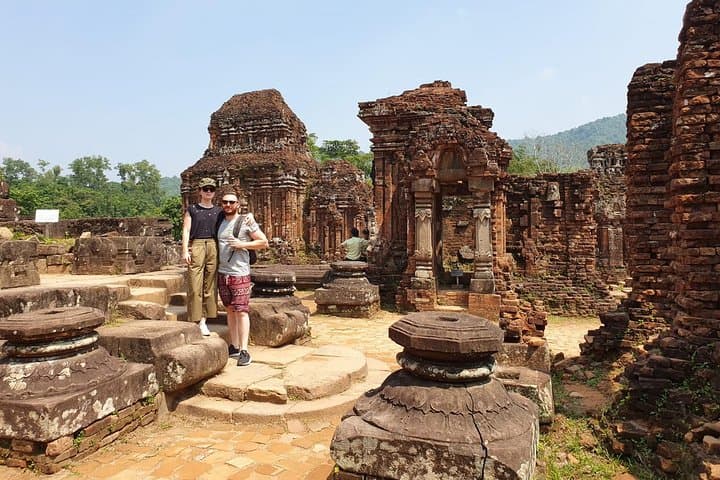
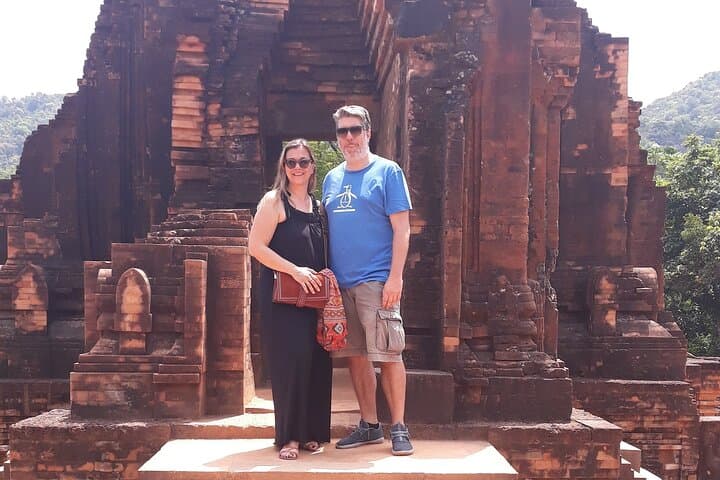
Morning light cuts across a low plain of rice paddies and palms as the tour minivan hums toward a line of brick spires rising from scrub and grass. By the time the noise of the road falls away, the ruins of My Son stand silent and slow—stone and red brick warming under the sun, offering a rare quiet where centuries of Cham worship once convened.
Verified experiences and guided adventures in the surrounding area.
Operated by Hoi An Cham Cham Travel · Duy Xuyen, Quang Nam
Morning light cuts across a low plain of rice paddies and palms as the tour minivan hums toward a line of brick spires rising from scrub and grass. By the time the noise of the road falls away, the ruins of My Son stand silent and slow—stone and red brick warming under the sun, offering a rare quiet where centuries of Cham worship once convened.
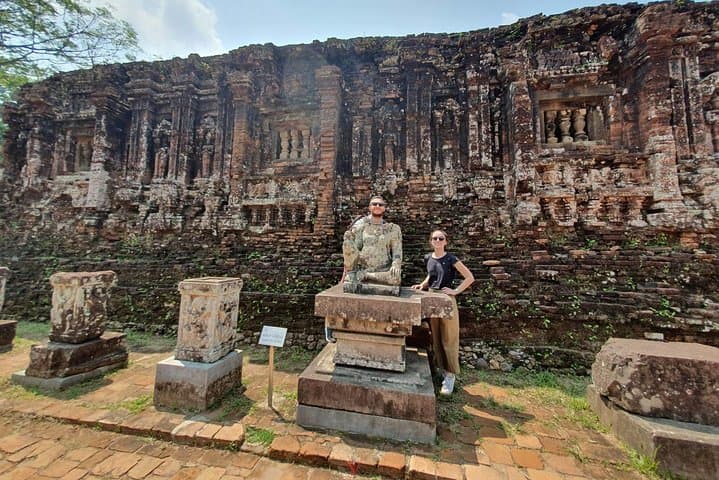
My Son is the remnant capital of the Cham Kingdom, a cluster of Hindu temple complexes constructed between the 4th and 14th centuries. Geologically, the site sits on alluvial terraces fed by the Thu Bon River—mud and laterite that gave Cham builders workable brick and sculptural clay. The complex bears scars of twentieth-century conflict and recent conservation; guides balance archaeological detail with stories and local lore, and performances like a short Apsara dance help connect visitors to living Cham traditions.
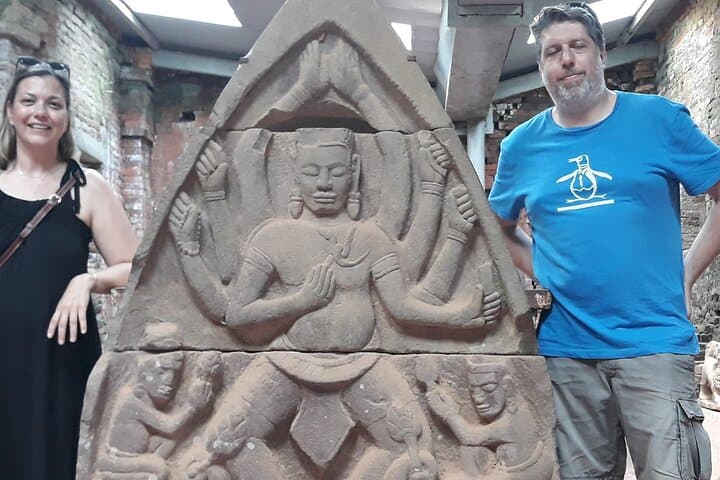
Expect uneven paths, stepped platforms, and shaded walkways between temple groups labeled A through D. The visit emphasizes history and architecture over strenuous hiking: interpretive stops, iconography explanations, and an insight into Cham religious life. Weather matters—heat intensifies midday, and a quick tropical shower can make surfaces slick.
Practical notes: tours typically include pickup from Hoi An, bottled water, and a brief local meal after the site visit. Bring sturdy, closed-toe shoes for walking, sun protection, and a modest shirt or scarf for temple respect. For quieter photography, aim for early morning departures and linger at the long views back toward the surrounding rice plain.
easy.
4–5 hours.
Suitable for most fitness levels; involves standing and walking on uneven ground for several hours.
The described tour does not include the site's entrance fee; expect to pay admission separately at the site unless the operator specifies otherwise.
This half-day experience runs about 4–5 hours and typically includes round-trip pickup from Hoi An by air-conditioned vehicle.
While some areas and transport on the tour are listed as wheelchair accessible, many temple platforms and paths are uneven and may limit access to certain ruins.
Early morning departures are best for cooler temperatures and fewer visitors; late afternoon can also be pleasant but offers less time on site before closing.
My Son served as a religious and political center for the Cham Kingdom from the 4th to 14th centuries; many temples are dedicated to Shiva and contain intricate bas-reliefs.
UNESCO designation has driven restoration and site management; visitors are asked to stay on paths to reduce erosion and protect fragile brick and carvings.
Hoi An Cham Cham Travel operates guided outdoor trips and adventures with an emphasis on safety, stewardship, and memorable experiences.
Morning light cuts across a low plain of rice paddies and palms as the tour minivan hums toward a line of brick spires rising from scrub and grass. By the time the noise of the road falls away, the ruins of My Son stand silent and slow—stone and red brick warming under the sun, offering a rare quiet where centuries of Cham worship once convened.
Morning light cuts across a low plain of rice paddies and palms as the tour minivan hums toward a line of brick spires rising from scrub and grass. By the time the noise of the road falls away, the ruins of My Son stand silent and slow—stone and red brick warming under the sun, offering a rare quiet where centuries of Cham worship once convened.
My Son is the remnant capital of the Cham Kingdom, a cluster of Hindu temple complexes constructed between the 4th and 14th centuries. Geologically, the site sits on alluvial terraces fed by the Thu Bon River—mud and laterite that gave Cham builders workable brick and sculptural clay. The complex bears scars of twentieth-century conflict and recent conservation; guides balance archaeological detail with stories and local lore, and performances like a short Apsara dance help connect visitors to living Cham traditions.
Expect uneven paths, stepped platforms, and shaded walkways between temple groups labeled A through D. The visit emphasizes history and architecture over strenuous hiking: interpretive stops, iconography explanations, and an insight into Cham religious life. Weather matters—heat intensifies midday, and a quick tropical shower can make surfaces slick.
Practical notes: tours typically include pickup from Hoi An, bottled water, and a brief local meal after the site visit. Bring sturdy, closed-toe shoes for walking, sun protection, and a modest shirt or scarf for temple respect. For quieter photography, aim for early morning departures and linger at the long views back toward the surrounding rice plain.