THE ADVENTURE COLLECTIVE® · Independent discovery and booking for outdoor travel

Spend a focused half-day hiking two of Oahu’s most recognizable viewpoints: the volcanic rim of Diamond Head and the wind-swept Makapuu Lighthouse. This combo delivers geological context, coastal panoramas, and possible winter whale sightings—ideal for travelers based in Waikiki.
Spend a focused half-day hiking two of Oahu’s most recognizable viewpoints: the volcanic rim of Diamond Head and the wind-swept Makapuu Lighthouse. This combo delivers geological context, coastal panoramas, and possible winter whale sightings—ideal for travelers based in Waikiki.
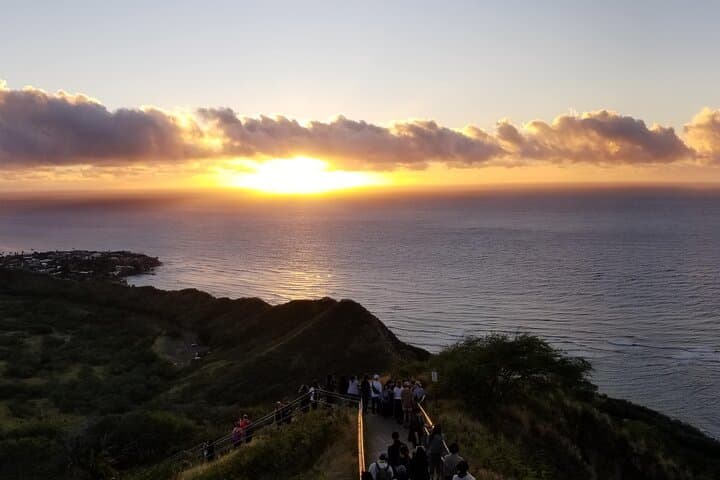
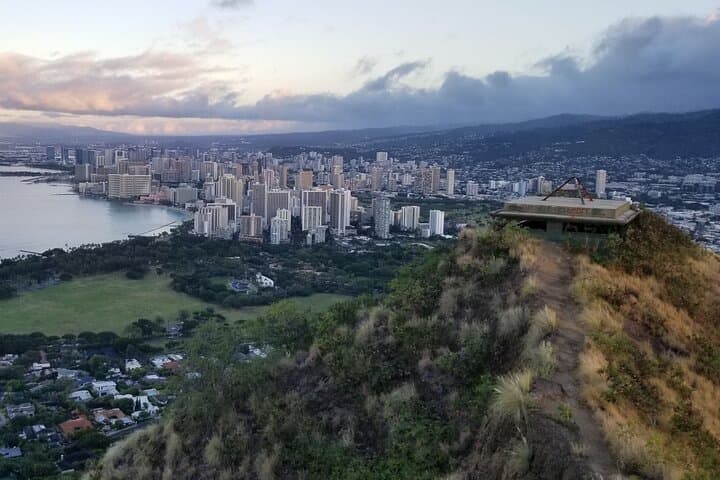
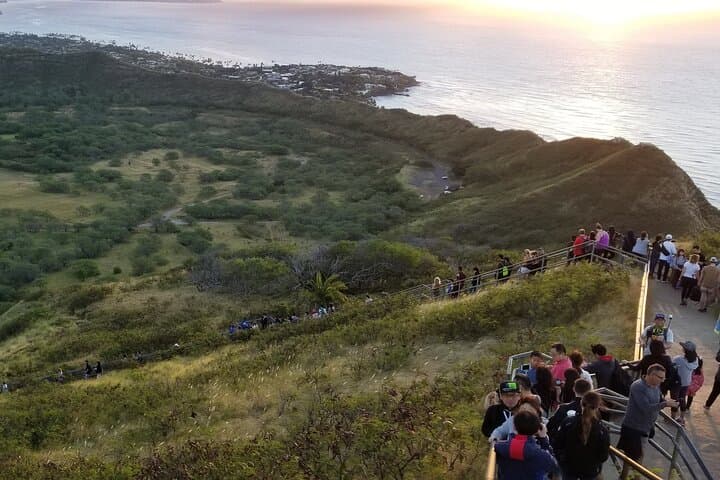
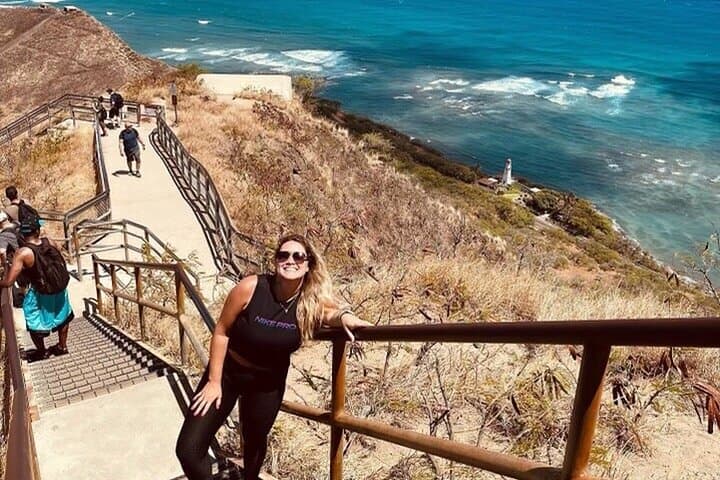
The shuttle drops you at the crater rim and the island opens — a steep paved switchback that forces breath and attention as the ocean stretches west below. Diamond Head’s compact summit trail climbs through tunneled passages, past old military bunkers, and out onto a rim that frames Waikiki, the Pacific, and the heater-bright horizon. Later you trade volcanic rock for wind-swept coast at Makapuu, where the lighthouse perches above crashing surf and seabirds wheel on the trade winds.
Verified experiences and guided adventures in the surrounding area.
Operated by Kaimana Tours · Honolulu, Hawaii
The shuttle drops you at the crater rim and the island opens — a steep paved switchback that forces breath and attention as the ocean stretches west below. Diamond Head’s compact summit trail climbs through tunneled passages, past old military bunkers, and out onto a rim that frames Waikiki, the Pacific, and the heater-bright horizon. Later you trade volcanic rock for wind-swept coast at Makapuu, where the lighthouse perches above crashing surf and seabirds wheel on the trade winds.
Diamond Head (Lēʻahi) is a tuff cone formed in a brief, explosive episode of volcanic activity roughly 200–300 thousand years ago; its strategic vantage made it a coastal defense site in the early 20th century. Makapuu Point Lighthouse, completed in 1909, marks the island’s eastern approach and offers views east across the Kaiwi Channel toward Rabbit Island and, on very clear days, Molokai and Maui.
Expect a mix of paved trail, coastal exposure, and stair-stepped ascent—both hikes are popular, so early starts avoid crowds and heat. Winter brings potential humpback sightings from Makapuu; spring and summer favor wildflowers and calmer seas. The tour supplies a water bottle and transport between trailheads, but plan for sun, wind, and abrupt weather near the cliffs.
Practical tips: wear grippy shoes for steep sections, carry 1–2 liters of water, layer light wind protection, and bring binoculars for whale and bird spotting. Respect posted signs: stay on trail, keep distance from cliff edges, and pack out any trash. With five hours total, this combo gives concentrated geological context, solid coastal panoramas, and a compact day of Oahu’s most accessible high points.
moderate.
5 hours.
Moderate fitness: able to handle short steep climbs, stairs, and up to 1.5 miles of ascent with repeated walking between sites.
Yes — the tour provides air-conditioned transport between Diamond Head and Makapuu as part of the half-day itinerary.
Diamond Head is a short but steep 0.8-mile ascent with about 560 feet of gain; Makapuu is a gentler coastal walk—combined they’re rated moderate for most active travelers.
Humpback whales are commonly seen from Makapuu during the winter season (roughly December–April), but sightings aren’t guaranteed.
Parking at both Diamond Head and Makapuu is limited and often fills early; the shuttle is recommended to avoid parking hassles.
Diamond Head formed as a tuff cone from explosive eruptions; its rim later hosted coastal defenses. Makapuu Lighthouse (1909) guided ships around Oahu’s eastern point.
Stay on established trails to protect fragile native vegetation and avoid disturbing seabird nesting areas; pack out all waste and follow local signage to minimize impact.
Kaimana Tours operates guided outdoor trips and adventures with an emphasis on safety, stewardship, and memorable experiences.
The shuttle drops you at the crater rim and the island opens — a steep paved switchback that forces breath and attention as the ocean stretches west below. Diamond Head’s compact summit trail climbs through tunneled passages, past old military bunkers, and out onto a rim that frames Waikiki, the Pacific, and the heater-bright horizon. Later you trade volcanic rock for wind-swept coast at Makapuu, where the lighthouse perches above crashing surf and seabirds wheel on the trade winds.
The shuttle drops you at the crater rim and the island opens — a steep paved switchback that forces breath and attention as the ocean stretches west below. Diamond Head’s compact summit trail climbs through tunneled passages, past old military bunkers, and out onto a rim that frames Waikiki, the Pacific, and the heater-bright horizon. Later you trade volcanic rock for wind-swept coast at Makapuu, where the lighthouse perches above crashing surf and seabirds wheel on the trade winds.
Diamond Head (Lēʻahi) is a tuff cone formed in a brief, explosive episode of volcanic activity roughly 200–300 thousand years ago; its strategic vantage made it a coastal defense site in the early 20th century. Makapuu Point Lighthouse, completed in 1909, marks the island’s eastern approach and offers views east across the Kaiwi Channel toward Rabbit Island and, on very clear days, Molokai and Maui.
Expect a mix of paved trail, coastal exposure, and stair-stepped ascent—both hikes are popular, so early starts avoid crowds and heat. Winter brings potential humpback sightings from Makapuu; spring and summer favor wildflowers and calmer seas. The tour supplies a water bottle and transport between trailheads, but plan for sun, wind, and abrupt weather near the cliffs.
Practical tips: wear grippy shoes for steep sections, carry 1–2 liters of water, layer light wind protection, and bring binoculars for whale and bird spotting. Respect posted signs: stay on trail, keep distance from cliff edges, and pack out any trash. With five hours total, this combo gives concentrated geological context, solid coastal panoramas, and a compact day of Oahu’s most accessible high points.