THE ADVENTURE COLLECTIVE® · Independent discovery and booking for outdoor travel

Explore the well‑preserved Ptolemaic temple of Hathor on a concise half‑day tour from Luxor. Learn where to find the famed roof zodiac, what to expect physically, and practical tips to make the most of your visit.
Explore the well‑preserved Ptolemaic temple of Hathor on a concise half‑day tour from Luxor. Learn where to find the famed roof zodiac, what to expect physically, and practical tips to make the most of your visit.
You arrive before the heat has fully taken hold: a low, golden light washes the limestone reliefs and the air tastes faintly of the Nile. The tour’s air‑conditioned vehicle pulls up and a licensed Egyptologist leads the small group toward the great pylon of Dendera, where Hathor still greets visitors with a carved face and cow‑horn crown.
Verified experiences and guided adventures in the surrounding area.
Operated by Ra Egypt Tour Guide · Dendera, Qena Governorate
You arrive before the heat has fully taken hold: a low, golden light washes the limestone reliefs and the air tastes faintly of the Nile. The tour’s air‑conditioned vehicle pulls up and a licensed Egyptologist leads the small group toward the great pylon of Dendera, where Hathor still greets visitors with a carved face and cow‑horn crown.
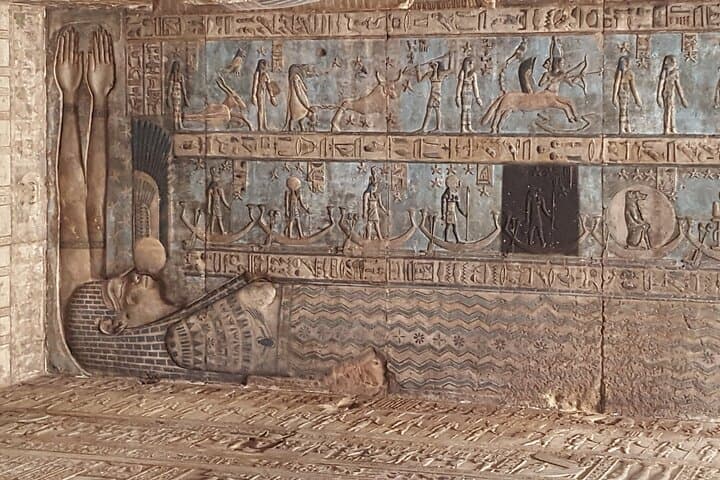
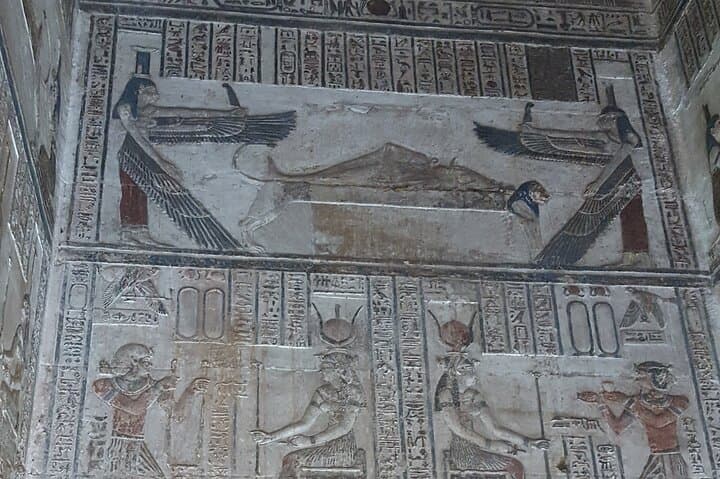
Dendera’s core dates to the Ptolemaic and Roman periods, but ritual at the site stretches back millennia. The temple complex preserves richly painted reliefs, an unusually intact ceiling zodiac and a spiral stair that climbs to the roof — once part of priestly ceremonies tied to the Egyptian calendar. The nearby mammisi (birth house) and Roman chapels add layers of cultural influence visible in stone and pigment.
Visiting is practical as well as evocative: the site sits roughly an hour north of Luxor by road, and a private guide will explain iconography, point out astronomical scenes on the ceiling, and advise on photography etiquette. Expect exposed sun on approach and cool shaded corridors inside; the best photos come early or late when shadows define the carvings. Bring water, sun protection and comfortable shoes — the complex is compact but involves uneven stone underfoot. Admission is often separate from private‑vehicle tours, so confirm ticket details before departure. With a little planning, a half‑day at Dendera combines hands‑on history, rooftop views, and clear insight into the rituals that shaped Upper Egypt.
easy.
5–6 hours.
Suitable for most fitness levels; expect short walks on uneven stone and modest stair sections like the roof spiral.
The drive typically takes about 45–75 minutes each way depending on traffic and ferry crossings; tours plan 5–6 hours total including transfers and site time.
Not always—the advertised itinerary notes that admission is often separate, so confirm with the operator whether tickets are provided.
Photography is generally allowed at the complex, but guides may request no flash indoors to help preserve pigments and avoid penalties—follow site signage and guide instructions.
Dendera has uneven stone surfaces and steps; while main courtyards are relatively level, roof access and some sanctuaries require stairs, so assistance may be needed.
Dendera’s principal temple honors Hathor and dates mainly to the Ptolemaic and Roman eras, preserving painted reliefs, astronomical ceilings and later Roman additions.
Ongoing preservation limits intrusive practices—avoid touching painted reliefs, respect restricted areas, and follow guide instructions to minimize wear on fragile surfaces.
Ra Egypt Tour Guide operates guided outdoor trips and adventures with an emphasis on safety, stewardship, and memorable experiences.


You arrive before the heat has fully taken hold: a low, golden light washes the limestone reliefs and the air tastes faintly of the Nile. The tour’s air‑conditioned vehicle pulls up and a licensed Egyptologist leads the small group toward the great pylon of Dendera, where Hathor still greets visitors with a carved face and cow‑horn crown.
You arrive before the heat has fully taken hold: a low, golden light washes the limestone reliefs and the air tastes faintly of the Nile. The tour’s air‑conditioned vehicle pulls up and a licensed Egyptologist leads the small group toward the great pylon of Dendera, where Hathor still greets visitors with a carved face and cow‑horn crown.
Dendera’s core dates to the Ptolemaic and Roman periods, but ritual at the site stretches back millennia. The temple complex preserves richly painted reliefs, an unusually intact ceiling zodiac and a spiral stair that climbs to the roof — once part of priestly ceremonies tied to the Egyptian calendar. The nearby mammisi (birth house) and Roman chapels add layers of cultural influence visible in stone and pigment.
Visiting is practical as well as evocative: the site sits roughly an hour north of Luxor by road, and a private guide will explain iconography, point out astronomical scenes on the ceiling, and advise on photography etiquette. Expect exposed sun on approach and cool shaded corridors inside; the best photos come early or late when shadows define the carvings. Bring water, sun protection and comfortable shoes — the complex is compact but involves uneven stone underfoot. Admission is often separate from private‑vehicle tours, so confirm ticket details before departure. With a little planning, a half‑day at Dendera combines hands‑on history, rooftop views, and clear insight into the rituals that shaped Upper Egypt.