THE ADVENTURE COLLECTIVE® · Independent discovery and booking for outdoor travel

Explore four key Inca sites above Cusco in a focused half-day: Sacsayhuamán’s megaliths, Q’enqo’s carved chambers, Tambomachay’s aqueducts and the ramparts of Puka Pukara. This guided circuit balances history, short uphill walks and acclimatization tips for first-time visitors.
Explore four key Inca sites above Cusco in a focused half-day: Sacsayhuamán’s megaliths, Q’enqo’s carved chambers, Tambomachay’s aqueducts and the ramparts of Puka Pukara. This guided circuit balances history, short uphill walks and acclimatization tips for first-time visitors.
You step out onto Calle Plateros and the city exhales — the Andes press around Cusco, roofs of red tile and stone alleys pointing toward high ruins. In four hours a bilingual guide moves the group through plazas and uphill paths, from Plaza de Armas to the ring of Inca sites that guard the city.
Verified experiences and guided adventures in the surrounding area.
Operated by Heidi Travel EIRL · Cusco, Cusco
You step out onto Calle Plateros and the city exhales — the Andes press around Cusco, roofs of red tile and stone alleys pointing toward high ruins. In four hours a bilingual guide moves the group through plazas and uphill paths, from Plaza de Armas to the ring of Inca sites that guard the city.
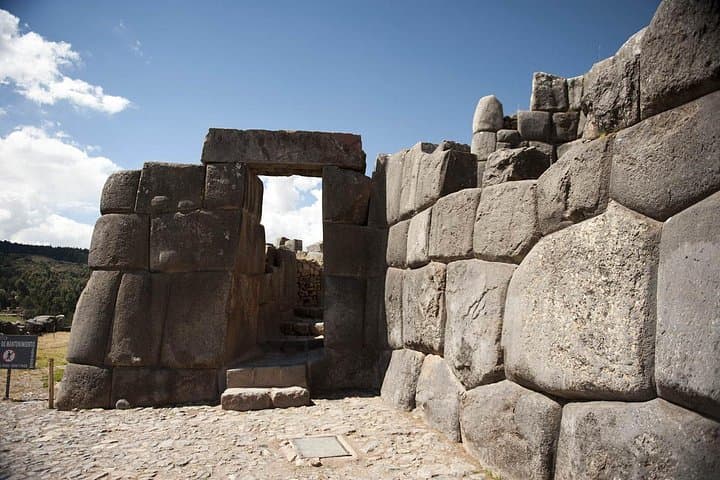
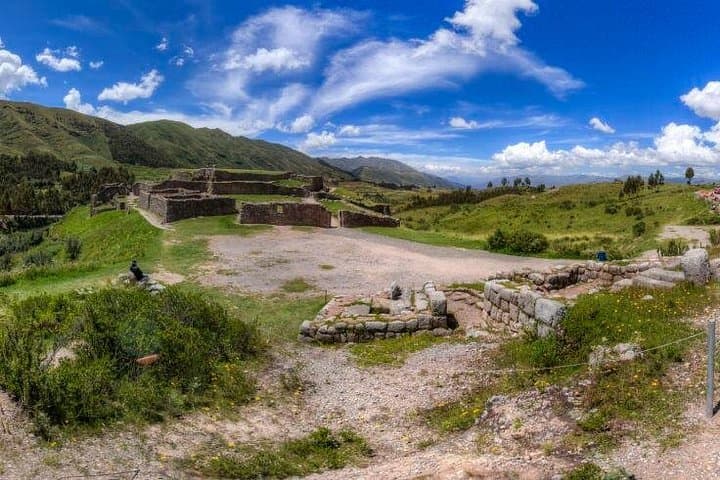
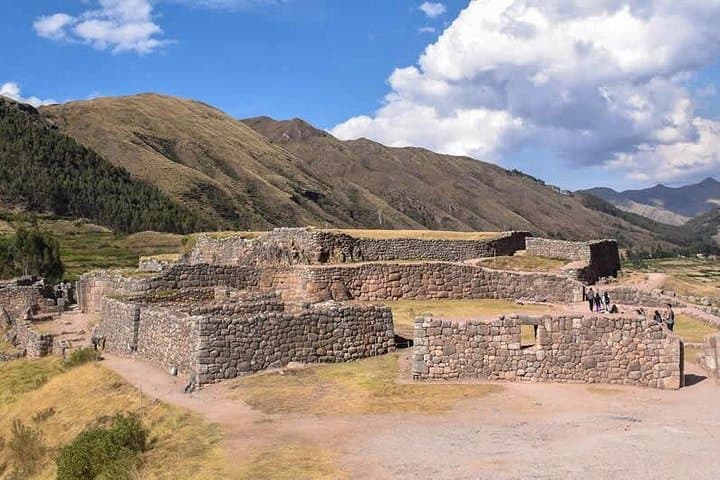
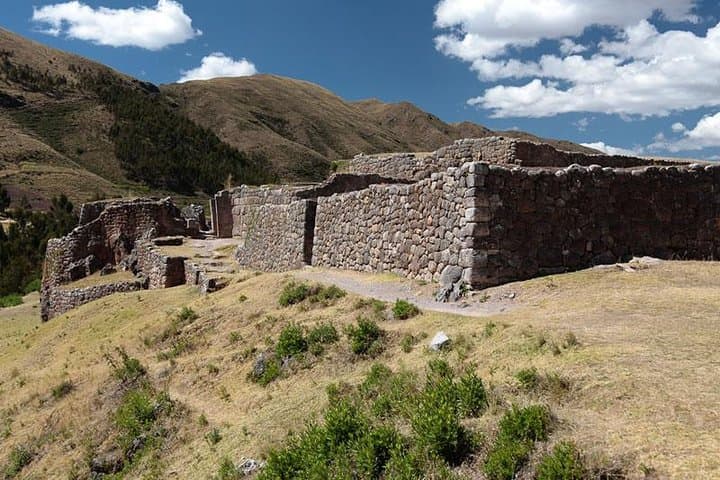
Sacsayhuamán greets you first: colossal stones that fit with surgical precision, walls that seem to dare erosion to try their luck. Q’enqo follows with carved chambers and channels once used in ritual; its rock grooves catch light like a calendar. Tambomachay’s aqueducts still deliver a steady thread of water, a reminder that Inca engineering married ceremony and hydraulics. Puka Pukara, with terraced ramps and defensive lines, reads as a waypoint for travelers moving along the Vilcanota corridor.
Geology here is close at hand: volcanic and sedimentary outcrops shaped by glaciers and uplift, quarried into blocks that weigh dozens of tons. Culturally, these sites are extensions of Cusco’s role as the Inca capital — each stone has a civic and ceremonial logic.
Practically, expect cobbled streets, uneven stone steps and short uphill walks totaling a few kilometers and roughly 300–350 m net elevation gain from the main plaza to Sacsayhuamán. Altitude is the real variable: plan a slow first day, hydrate, and leave time for photo stops. The tour includes transport between sites and a bilingual guide; meet at 324 Calle Plateros, a block from Plaza de Armas. Good footwear, sun protection and a light layer will keep the day straightforward and memorable.
easy.
4 hours.
Suitable for most travelers who can manage short uphill walks and steps; basic stamina for 2–3 km of walking over uneven terrain.
Cusco sits around 3,399 m (11,152 ft). Altitude can cause mild symptoms; rest the first day, hydrate, avoid alcohol and consider coca tea if you experience headaches.
This tour itinerary indicates admission is not included to the individual sites; check the operator for current entry fees or whether a Boleto Turístico is required.
The operator notes infants can use prams and the tour is stroller accessible in parts, but expect stairs and uneven surfaces at the ruins.
Meet at the operator’s office on 324 Calle Plateros, a block from Plaza de Armas; exact departure time will be on your booking confirmation.
These sites form a defensive and ceremonial ring around imperial Cusco; many structures were repurposed or altered after Spanish conquest, leaving stonework that blends different eras.
Visitor flows are managed to protect fragile stonework and water channels; stick to paths, avoid touching carved surfaces and carry out waste to minimize impact.
Heidi Travel EIRL operates guided outdoor trips and adventures with an emphasis on safety, stewardship, and memorable experiences.
You step out onto Calle Plateros and the city exhales — the Andes press around Cusco, roofs of red tile and stone alleys pointing toward high ruins. In four hours a bilingual guide moves the group through plazas and uphill paths, from Plaza de Armas to the ring of Inca sites that guard the city.
You step out onto Calle Plateros and the city exhales — the Andes press around Cusco, roofs of red tile and stone alleys pointing toward high ruins. In four hours a bilingual guide moves the group through plazas and uphill paths, from Plaza de Armas to the ring of Inca sites that guard the city.
Sacsayhuamán greets you first: colossal stones that fit with surgical precision, walls that seem to dare erosion to try their luck. Q’enqo follows with carved chambers and channels once used in ritual; its rock grooves catch light like a calendar. Tambomachay’s aqueducts still deliver a steady thread of water, a reminder that Inca engineering married ceremony and hydraulics. Puka Pukara, with terraced ramps and defensive lines, reads as a waypoint for travelers moving along the Vilcanota corridor.
Geology here is close at hand: volcanic and sedimentary outcrops shaped by glaciers and uplift, quarried into blocks that weigh dozens of tons. Culturally, these sites are extensions of Cusco’s role as the Inca capital — each stone has a civic and ceremonial logic.
Practically, expect cobbled streets, uneven stone steps and short uphill walks totaling a few kilometers and roughly 300–350 m net elevation gain from the main plaza to Sacsayhuamán. Altitude is the real variable: plan a slow first day, hydrate, and leave time for photo stops. The tour includes transport between sites and a bilingual guide; meet at 324 Calle Plateros, a block from Plaza de Armas. Good footwear, sun protection and a light layer will keep the day straightforward and memorable.