THE ADVENTURE COLLECTIVE® · Independent discovery and booking for outdoor travel

Spend an efficient afternoon in Cusco seeing Plaza de Armas, Qoricancha and the hilltop fortress of Sacsayhuamán, then explore Q'enqo, Puka Pukara and Tambomachay. This guided half-day tour pairs archaeological context with practical tips for high-altitude walking.
Spend an efficient afternoon in Cusco seeing Plaza de Armas, Qoricancha and the hilltop fortress of Sacsayhuamán, then explore Q'enqo, Puka Pukara and Tambomachay. This guided half-day tour pairs archaeological context with practical tips for high-altitude walking.
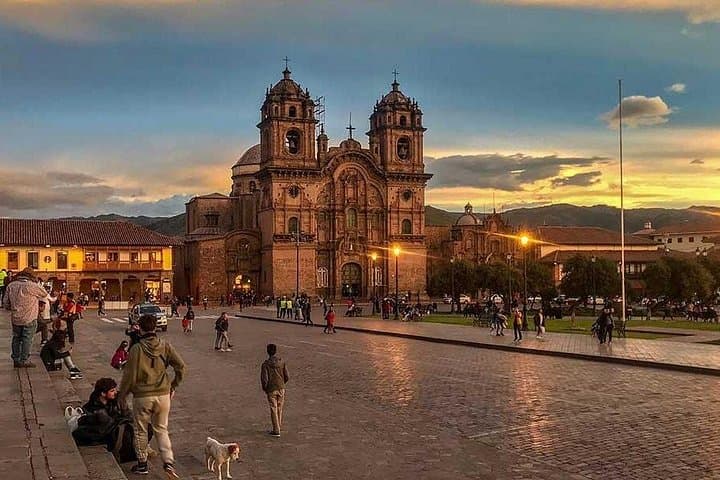
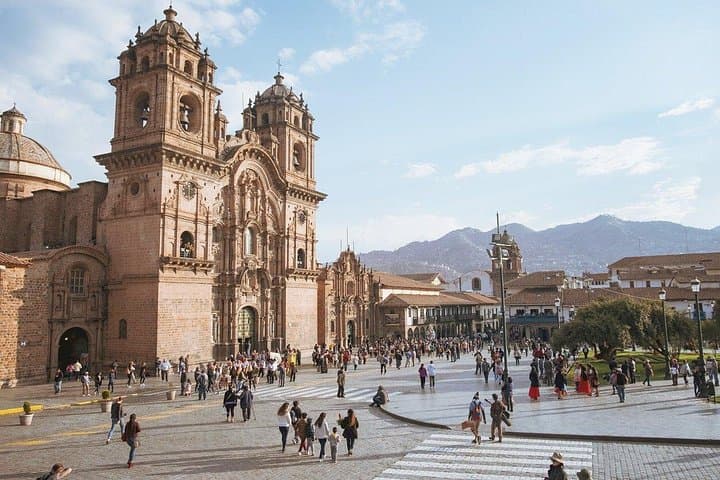
You step out into the high-altitude air of Cusco at midafternoon and the city seems to hold its own gravity—stone streets pull your pace into a steadier rhythm, while the Andes push the horizon close. This half-day circuit stitches the colonial center with Inca engineering: Plaza de Armas, the gold-faced foundations of Qoricancha, then the ramparts and enormous stones of Sacsayhuamán, and the smaller but revealing sites of Q'enqo, Puka Pukara and Tambomachay.
Verified experiences and guided adventures in the surrounding area.
Operated by ParaViajantes Tours · Cusco, Cusco
You step out into the high-altitude air of Cusco at midafternoon and the city seems to hold its own gravity—stone streets pull your pace into a steadier rhythm, while the Andes push the horizon close. This half-day circuit stitches the colonial center with Inca engineering: Plaza de Armas, the gold-faced foundations of Qoricancha, then the ramparts and enormous stones of Sacsayhuamán, and the smaller but revealing sites of Q'enqo, Puka Pukara and Tambomachay.
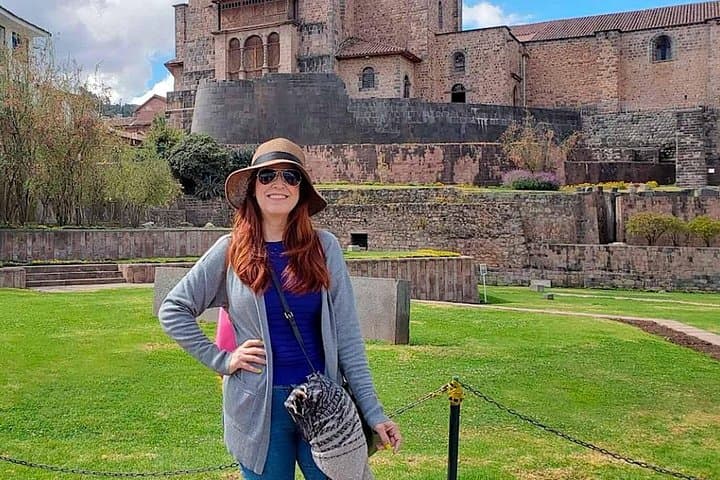
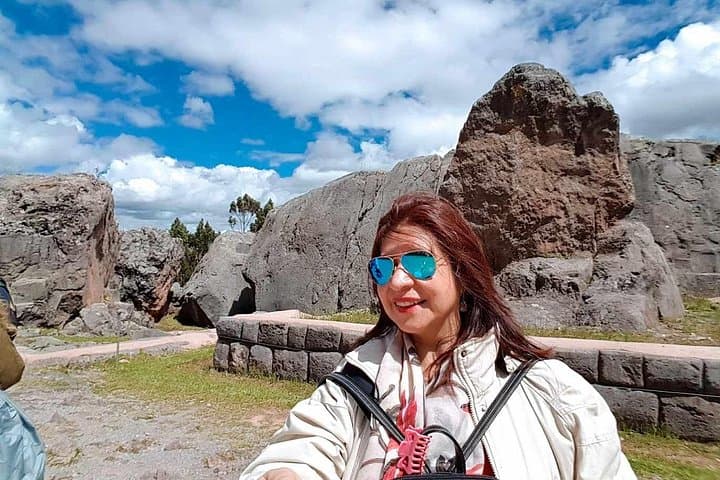
Cusco sits at roughly 3,400 m (11,150 ft), at the former heart of the Tawantinsuyu. Qoricancha was the Inca sun temple later overbuilt by the Convent of Santo Domingo, showing how Spanish colonial layers sit directly on Inca masonry. Sacsayhuamán’s carved blocks reflect local geology—massive, precisely fitted and quarried from nearby formations—and the smaller sites demonstrate ceremonial waterworks and roadside tambos that supported imperial travel.
Expect uneven stone steps, short uphill stretches and paved city walking; distances between sites are short but spread out across slopes, so the tour moves between viewpoints and plazas rather than prolonged treks. Guides translate archaeological detail into practical orientation.
Practical notes: plan for altitude—hydrate before and during, walk deliberately on stairs, and bring your passport for site admissions. Wear sturdy shoes with good grip; afternoons can shift from sun to wind, so layers work best. Cash in soles helps for small purchases and tips. The itinerary fits into a five-hour window and makes a concentrated primer on Cusco’s engineering, religion and colonial overlay—an efficient orientation for your arrival day.
moderate.
5 hours.
Basic walking fitness; able to manage short uphill sections and stone steps at high altitude.
The tour typically includes transportation and a guide; some archaeological site fees may not be covered—confirm with the operator and carry your passport for admissions.
This shared tour departs in the afternoon, with a standard five-hour duration starting around 13:00 and returning by roughly 18:00; exact pickup is confirmed via WhatsApp.
Sites have uneven stonework and steps; the tour is not ideal for those with serious mobility limitations or spinal problems—discuss specific needs with the operator in advance.
Hydrate the day before, avoid heavy alcohol, eat light meals, and consider a rest day after arrival; medication for altitude should be discussed with your physician.
Cusco was the capital of the Inca Empire; many colonial structures were built directly atop Inca foundations, creating visible architectural layers.
High foot traffic wears ancient stone—stay on marked paths, follow guide instructions and support local conservation fees when available.
ParaViajantes Tours operates guided outdoor trips and adventures with an emphasis on safety, stewardship, and memorable experiences.
You step out into the high-altitude air of Cusco at midafternoon and the city seems to hold its own gravity—stone streets pull your pace into a steadier rhythm, while the Andes push the horizon close. This half-day circuit stitches the colonial center with Inca engineering: Plaza de Armas, the gold-faced foundations of Qoricancha, then the ramparts and enormous stones of Sacsayhuamán, and the smaller but revealing sites of Q'enqo, Puka Pukara and Tambomachay.
You step out into the high-altitude air of Cusco at midafternoon and the city seems to hold its own gravity—stone streets pull your pace into a steadier rhythm, while the Andes push the horizon close. This half-day circuit stitches the colonial center with Inca engineering: Plaza de Armas, the gold-faced foundations of Qoricancha, then the ramparts and enormous stones of Sacsayhuamán, and the smaller but revealing sites of Q'enqo, Puka Pukara and Tambomachay.
Cusco sits at roughly 3,400 m (11,150 ft), at the former heart of the Tawantinsuyu. Qoricancha was the Inca sun temple later overbuilt by the Convent of Santo Domingo, showing how Spanish colonial layers sit directly on Inca masonry. Sacsayhuamán’s carved blocks reflect local geology—massive, precisely fitted and quarried from nearby formations—and the smaller sites demonstrate ceremonial waterworks and roadside tambos that supported imperial travel.
Expect uneven stone steps, short uphill stretches and paved city walking; distances between sites are short but spread out across slopes, so the tour moves between viewpoints and plazas rather than prolonged treks. Guides translate archaeological detail into practical orientation.
Practical notes: plan for altitude—hydrate before and during, walk deliberately on stairs, and bring your passport for site admissions. Wear sturdy shoes with good grip; afternoons can shift from sun to wind, so layers work best. Cash in soles helps for small purchases and tips. The itinerary fits into a five-hour window and makes a concentrated primer on Cusco’s engineering, religion and colonial overlay—an efficient orientation for your arrival day.