THE ADVENTURE COLLECTIVE® · Independent discovery and booking for outdoor travel

Explore Cusco in a half-day loop that pairs colonial architecture with Inca stonework—Qorikancha, the Cathedral, Sacsayhuamán, Qenqo and Tambomachay. Expect cobbles, high-altitude stairs, a bilingual guide and practical tips to make the most of your first hours in the old Inca capital.
Explore Cusco in a half-day loop that pairs colonial architecture with Inca stonework—Qorikancha, the Cathedral, Sacsayhuamán, Qenqo and Tambomachay. Expect cobbles, high-altitude stairs, a bilingual guide and practical tips to make the most of your first hours in the old Inca capital.
You step out onto the Plaza de Armas and cold highland air pushes at your collar, while red-tiled roofs and the cathedral’s stone façade loom like a history lesson in three dimensions.
Verified experiences and guided adventures in the surrounding area.
Operated by Machu Picchu Peru Cusco · Cusco, Cusco
You step out onto the Plaza de Armas and cold highland air pushes at your collar, while red-tiled roofs and the cathedral’s stone façade loom like a history lesson in three dimensions.
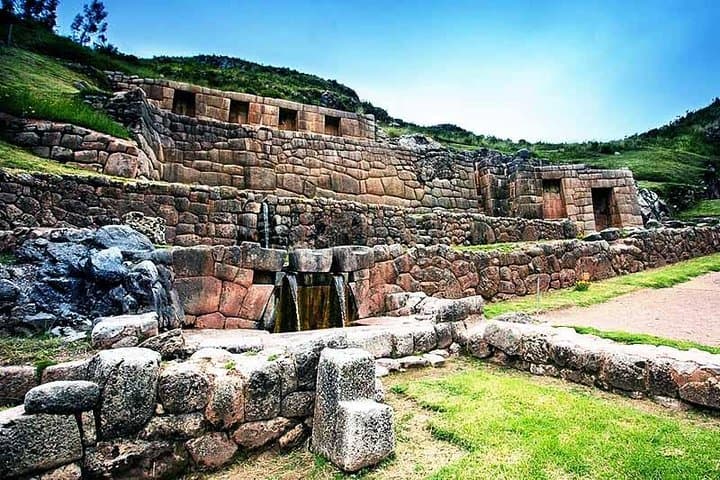
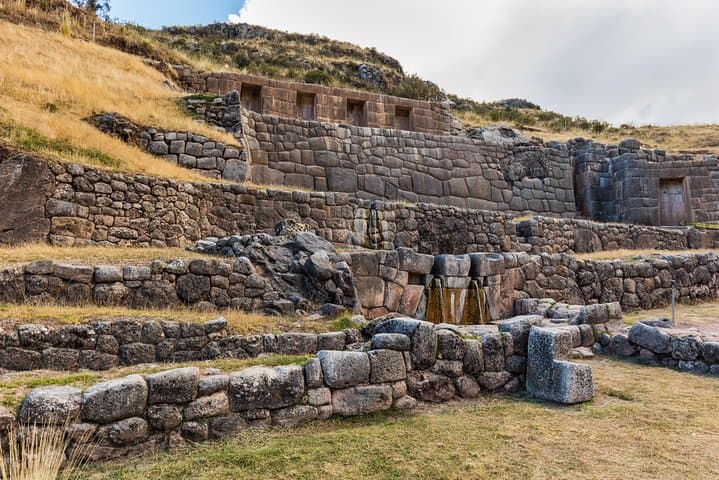
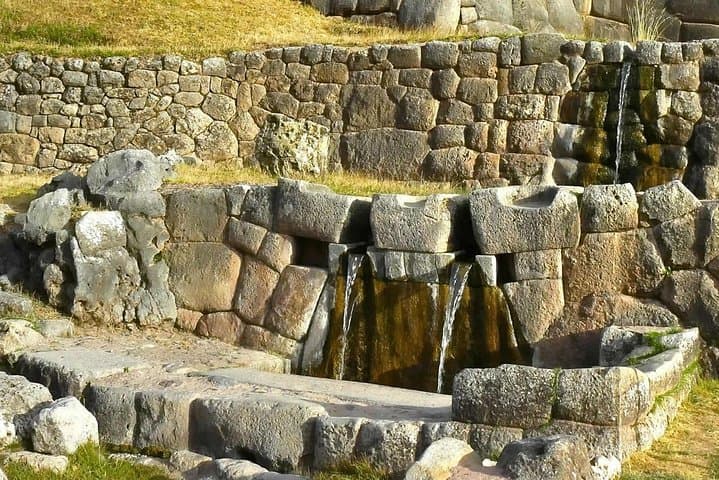
This half-day circuit moves steadily from the colonial heart to the Inca foundations beneath it: Qorikancha (Temple of the Sun), the Cathedral of Cusco built on Inca masonry, then out to the hilltop terraces and zigzag walls of Sacsayhuamán, Qenqo’s carved labyrinth, and the water-carved channels at Tambomachay and Puca Pucara. The route threads cobbled streets and steep stone staircases; the city sits at roughly 3,400 m (11,150 ft), so every step has altitude in its bones.
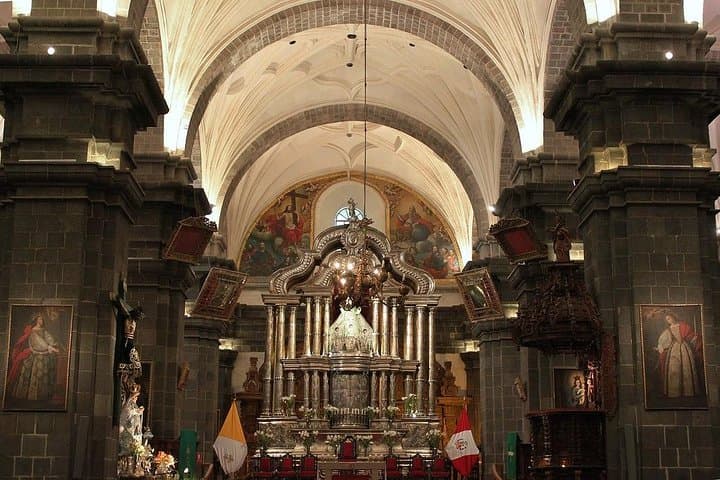
Cusco’s story is geological and cultural—the granite hills provided the raw blocks for Inca ashlar masonry, while Spanish builders repurposed those stones into churches that hold Cuzqueño paintings mixing Catholic and Andean iconography. Guides often point out the seismic resilience of Inca walls and the meanings layered into trapezoidal doorways and carved niches.
Practical guidance is direct: bring a water bottle, warm layers, and slip-resistant shoes for uneven stone and stairs. Allow time for short stops at viewpoints and a quick market detour if you want local snacks or textiles. Entrance fees are separate (Qorikancha ~15 PEN; multi-site ticket options available), and the tour is typically 6 hours with transport between sites and a bilingual guide. Pace yourself for the altitude—walk slowly, breathe, and plan your first day in Cusco light to acclimatize.
moderate.
6 hours.
Light walking ability with stamina for stairs and short hills; allow for high-altitude effects.
The advertised duration is about 6 hours, including transport between sites and time at each ruin.
No—entrance to Qorikancha is ~15 PEN; multi-site archaeological tickets are separate and vary (e.g., 70 PEN for 2 days or 130 PEN for 10 days).
The tour is labeled easy for fitness but involves cobbled streets and stairways; limited mobility travelers may find some sites challenging.
Many visitors experience mild symptoms—headache or breathlessness; rest, hydrate, and avoid alcohol the day before to reduce risk.
Cusco was the political and spiritual center of the Inca Empire; many colonial buildings were constructed atop Inca foundations, visibly blending two eras.
Stay on designated paths and avoid touching delicate stonework; use certified guides and local services to support conservation and community-based tourism.
Machu Picchu Peru Cusco operates guided outdoor trips and adventures with an emphasis on safety, stewardship, and memorable experiences.
You step out onto the Plaza de Armas and cold highland air pushes at your collar, while red-tiled roofs and the cathedral’s stone façade loom like a history lesson in three dimensions.
You step out onto the Plaza de Armas and cold highland air pushes at your collar, while red-tiled roofs and the cathedral’s stone façade loom like a history lesson in three dimensions.
This half-day circuit moves steadily from the colonial heart to the Inca foundations beneath it: Qorikancha (Temple of the Sun), the Cathedral of Cusco built on Inca masonry, then out to the hilltop terraces and zigzag walls of Sacsayhuamán, Qenqo’s carved labyrinth, and the water-carved channels at Tambomachay and Puca Pucara. The route threads cobbled streets and steep stone staircases; the city sits at roughly 3,400 m (11,150 ft), so every step has altitude in its bones.
Cusco’s story is geological and cultural—the granite hills provided the raw blocks for Inca ashlar masonry, while Spanish builders repurposed those stones into churches that hold Cuzqueño paintings mixing Catholic and Andean iconography. Guides often point out the seismic resilience of Inca walls and the meanings layered into trapezoidal doorways and carved niches.
Practical guidance is direct: bring a water bottle, warm layers, and slip-resistant shoes for uneven stone and stairs. Allow time for short stops at viewpoints and a quick market detour if you want local snacks or textiles. Entrance fees are separate (Qorikancha ~15 PEN; multi-site ticket options available), and the tour is typically 6 hours with transport between sites and a bilingual guide. Pace yourself for the altitude—walk slowly, breathe, and plan your first day in Cusco light to acclimatize.