THE ADVENTURE COLLECTIVE® · Independent discovery and booking for outdoor travel

Spend a focused morning in Cusco visiting the cathedral, Koricancha and the hilltop ruins of Sacsayhuamán. This half-day tour blends Inca engineering, colonial architecture, and highland culture in about 4–5 hours.
Spend a focused morning in Cusco visiting the cathedral, Koricancha and the hilltop ruins of Sacsayhuamán. This half-day tour blends Inca engineering, colonial architecture, and highland culture in about 4–5 hours.
Morning light cracks over the Plaza de Armas and the corrugated roofs of Cusco catch it first, while the guide waits with a map and a plan. You move from the cathedral’s ornate façade into cool shadowed naves, then step into Koricancha where Inca stonework meets colonial masonry; farther uphill the massive stones of Sacsayhuamán loom like patient sentinels above the city. The air is thin, bright, and demanding — it asks you to slow down and pay attention.
Verified experiences and guided adventures in the surrounding area.
Operated by Machupicchu Now. Tour Operator · Cusco, Cusco
Morning light cracks over the Plaza de Armas and the corrugated roofs of Cusco catch it first, while the guide waits with a map and a plan. You move from the cathedral’s ornate façade into cool shadowed naves, then step into Koricancha where Inca stonework meets colonial masonry; farther uphill the massive stones of Sacsayhuamán loom like patient sentinels above the city. The air is thin, bright, and demanding — it asks you to slow down and pay attention.
Cusco is the former capital of the Inca Empire and a place of layered histories: pre-Columbian engineering, Spanish colonial churches, and contemporary Andean culture. Geologically the valley sits within the eastern cordillera of the central Andes; the highland terrain shapes narrow streets and terraced ruins. Locals still trade at San Pedro Market and performers in traditional dress animate plazas during festivals — expect to hear Quechua and Spanish and to see textiles displayed with pragmatic pride.
Practically, the half-day format covers the cathedral interior (small entrance fee), Koricancha museum, and the archaeological complex of Sacsayhuamán plus nearby Qenqo, Pukapukara and Tambomachay. Walking includes cobbled streets and steep slopes; plan for 4–5 hours on foot at roughly 3,400 m (11,200 ft). Hydrate, dress in layers for sun and sudden showers, and allow time for short rests to adjust to altitude. Pick-up from many hotels is typical; confirm language and meeting point at booking. This tour gives a compact, historically rich introduction to Cusco, ideal for first-time visitors who want context before heading to the Sacred Valley or Machu Picchu.
moderate.
4–5 hours.
Should be comfortable walking on uneven cobblestones and climbing short steep sections at high elevation; moderate fitness recommended.
The half-day tour runs about 4–5 hours and typically includes the Cusco Cathedral, Koricancha museum, and the archaeological zones of Sacsayhuamán, Qenqo, Pukapukara and Tambomachay.
Yes — most departures include hotel pickup; you’ll confirm a pickup point and time when you book.
Yes — some sites like the cathedral and Koricancha may charge entrance fees at the door; bring local currency for payments.
Possibly — Cusco sits around 3,400 m (11,200 ft). Shortness of breath and mild headache are common; move slowly, hydrate, and notify your guide if symptoms worsen.
Cusco was the administrative and spiritual heart of the Inca Empire; Spanish colonists built churches atop Inca foundations, creating visible architectural layers.
Archaeological sites are vulnerable to erosion and visitor impact—stick to marked paths, avoid climbing stones not designated for access, and follow guide instructions to protect fragile structures.
Machupicchu Now. Tour Operator operates guided outdoor trips and adventures with an emphasis on safety, stewardship, and memorable experiences.
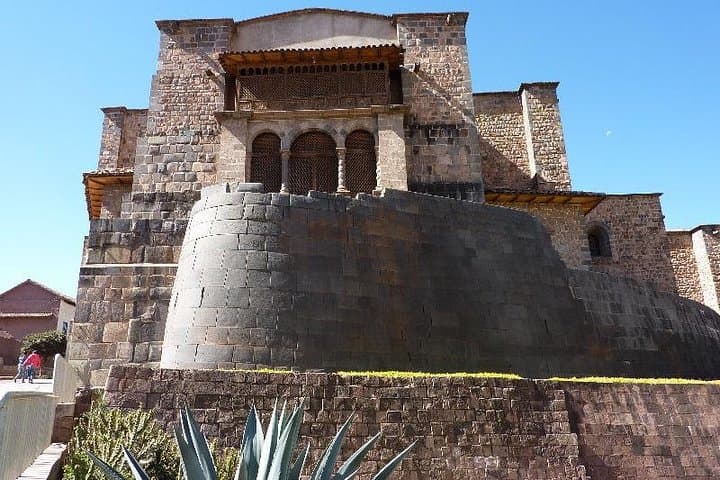
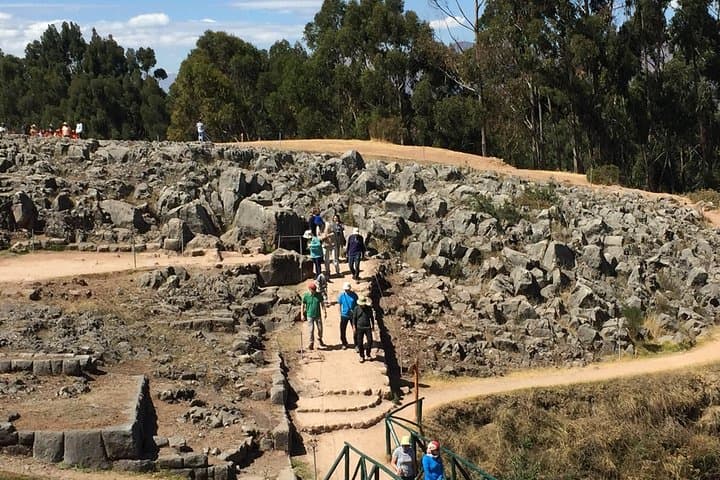

Morning light cracks over the Plaza de Armas and the corrugated roofs of Cusco catch it first, while the guide waits with a map and a plan. You move from the cathedral’s ornate façade into cool shadowed naves, then step into Koricancha where Inca stonework meets colonial masonry; farther uphill the massive stones of Sacsayhuamán loom like patient sentinels above the city. The air is thin, bright, and demanding — it asks you to slow down and pay attention.
Morning light cracks over the Plaza de Armas and the corrugated roofs of Cusco catch it first, while the guide waits with a map and a plan. You move from the cathedral’s ornate façade into cool shadowed naves, then step into Koricancha where Inca stonework meets colonial masonry; farther uphill the massive stones of Sacsayhuamán loom like patient sentinels above the city. The air is thin, bright, and demanding — it asks you to slow down and pay attention.
Cusco is the former capital of the Inca Empire and a place of layered histories: pre-Columbian engineering, Spanish colonial churches, and contemporary Andean culture. Geologically the valley sits within the eastern cordillera of the central Andes; the highland terrain shapes narrow streets and terraced ruins. Locals still trade at San Pedro Market and performers in traditional dress animate plazas during festivals — expect to hear Quechua and Spanish and to see textiles displayed with pragmatic pride.
Practically, the half-day format covers the cathedral interior (small entrance fee), Koricancha museum, and the archaeological complex of Sacsayhuamán plus nearby Qenqo, Pukapukara and Tambomachay. Walking includes cobbled streets and steep slopes; plan for 4–5 hours on foot at roughly 3,400 m (11,200 ft). Hydrate, dress in layers for sun and sudden showers, and allow time for short rests to adjust to altitude. Pick-up from many hotels is typical; confirm language and meeting point at booking. This tour gives a compact, historically rich introduction to Cusco, ideal for first-time visitors who want context before heading to the Sacred Valley or Machu Picchu.