THE ADVENTURE COLLECTIVE® · Independent discovery and booking for outdoor travel

Step off Arequipa’s pavement and into Characato’s sunlit terraces on a compact half-day hike. Expect 6–8 km of gradual trails, volcanic skyline views, encounters with local farmers, and the option to finish at a traditional picantería.
Step off Arequipa’s pavement and into Characato’s sunlit terraces on a compact half-day hike. Expect 6–8 km of gradual trails, volcanic skyline views, encounters with local farmers, and the option to finish at a traditional picantería.
The sun comes up behind the volcanic skyline and the van drops you at a dusty turn where terraces slope into the valley. Farmers already tend rows of potatoes and quinoa; a shepherd moves llamas along the track. The trail follows a clear, well-preserved footpath that threads above irrigated fields, opening views back toward El Misti and the flat-topped Chachani. Wind and sunlight shape the scene as you make steady, friendly progress.
Verified experiences and guided adventures in the surrounding area.
Operated by PERU ADVENTURE TOURS · Arequipa, Arequipa
The sun comes up behind the volcanic skyline and the van drops you at a dusty turn where terraces slope into the valley. Farmers already tend rows of potatoes and quinoa; a shepherd moves llamas along the track. The trail follows a clear, well-preserved footpath that threads above irrigated fields, opening views back toward El Misti and the flat-topped Chachani. Wind and sunlight shape the scene as you make steady, friendly progress.
Characato was one of the earliest Spanish settlements near Arequipa (noted in records from June 24, 1541), and colonial-era land patterns still shape the terraces you pass. The white volcanic sillar that gives Arequipa its architectural character is part of the same volcanic system that formed the surrounding peaks; soils here are mineral-rich and farmed intensively. Cultural life centers on small picanterías — local eateries serving classic Arequipeño stews and roasted alpaca — and on a rural rhythm that’s stayed largely agricultural for centuries.
Practically, expect 6–8 km of walking over mostly gradual terrain with a few short climbs, roughly 3 hours on foot within a half-day window that includes transport. Midday can be hot and exposed; mornings offer cooler air and clearer light. Bring sun protection, 1–2 liters of water, sturdy shoes, and a small camera. Guides introduce you to farmers and can arrange a stop at a picantería after the walk. The route is family-friendly for anyone with moderate fitness, and staying on the trail helps protect terraces and irrigation channels. This hike is as much about meeting people and food as it is about the landscape — a compact, practical way to step out of Arequipa’s bustle and walk through living history.
moderate.
3–6 hours.
Suitable for people with moderate fitness; you should be comfortable walking 6–8 km over uneven farm tracks.
The walking portion is about 6–8 km and typically takes around 3 hours; total half-day timing (including transport and stops) can reach 5–6 hours.
Arequipa sits near 2,300–2,500 m elevation; most visitors adapt quickly but move at a comfortable pace and hydrate to reduce discomfort.
Guides often arrange a visit to a local picantería after the hike; restroom facilities are limited on the route, so use facilities in town before you depart.
Yes if they have moderate mobility—trail sections are gradual but include uneven footing; notify the operator of any mobility or health concerns when booking.
Characato is recorded as one of the first Spanish settlements near Arequipa (established in colonial accounts around June 24, 1541), and the land-use pattern reflects centuries of agrarian continuity.
Stay on established tracks to protect terraces and irrigation channels, buy food locally to support picantería economies, and pack out any trash to limit impact.
PERU ADVENTURE TOURS operates guided outdoor trips and adventures with an emphasis on safety, stewardship, and memorable experiences.
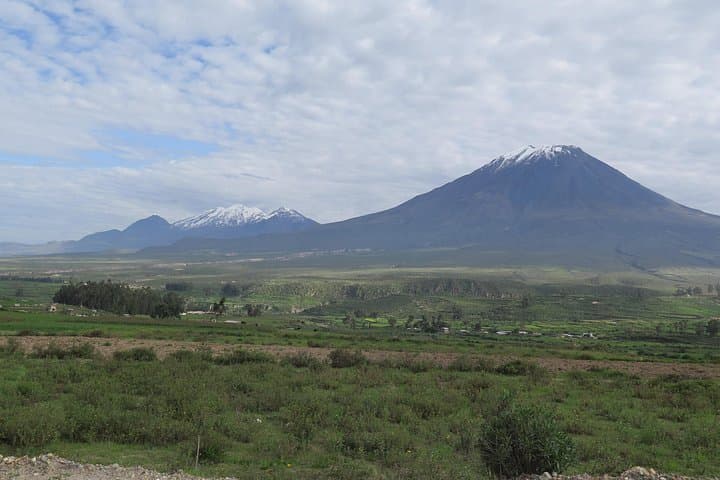
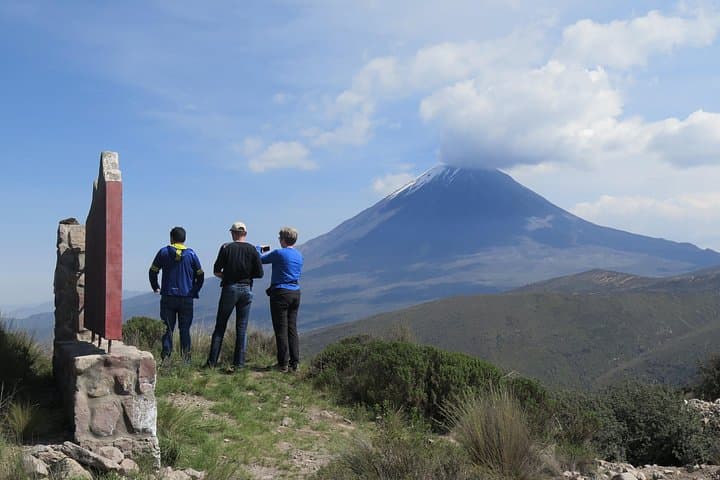
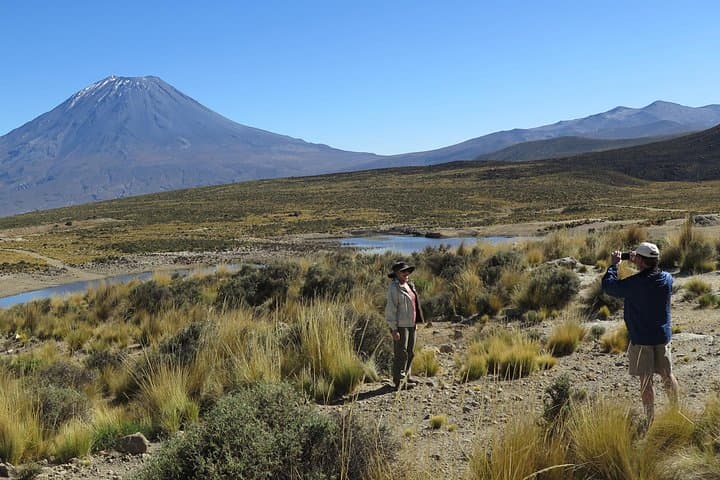
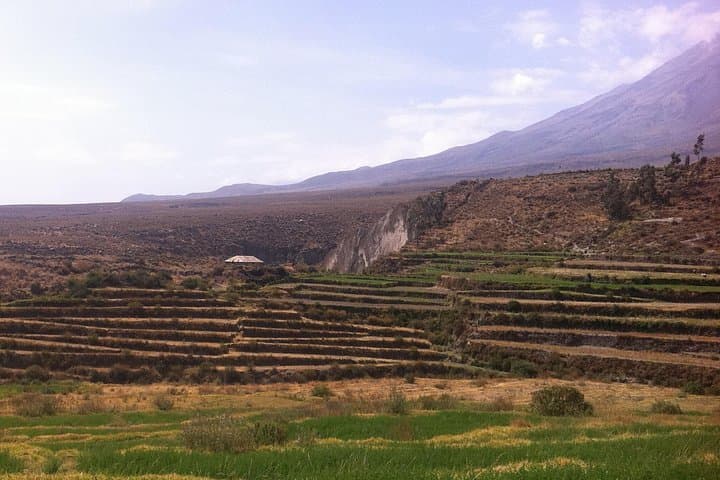
The sun comes up behind the volcanic skyline and the van drops you at a dusty turn where terraces slope into the valley. Farmers already tend rows of potatoes and quinoa; a shepherd moves llamas along the track. The trail follows a clear, well-preserved footpath that threads above irrigated fields, opening views back toward El Misti and the flat-topped Chachani. Wind and sunlight shape the scene as you make steady, friendly progress.
The sun comes up behind the volcanic skyline and the van drops you at a dusty turn where terraces slope into the valley. Farmers already tend rows of potatoes and quinoa; a shepherd moves llamas along the track. The trail follows a clear, well-preserved footpath that threads above irrigated fields, opening views back toward El Misti and the flat-topped Chachani. Wind and sunlight shape the scene as you make steady, friendly progress.
Characato was one of the earliest Spanish settlements near Arequipa (noted in records from June 24, 1541), and colonial-era land patterns still shape the terraces you pass. The white volcanic sillar that gives Arequipa its architectural character is part of the same volcanic system that formed the surrounding peaks; soils here are mineral-rich and farmed intensively. Cultural life centers on small picanterías — local eateries serving classic Arequipeño stews and roasted alpaca — and on a rural rhythm that’s stayed largely agricultural for centuries.
Practically, expect 6–8 km of walking over mostly gradual terrain with a few short climbs, roughly 3 hours on foot within a half-day window that includes transport. Midday can be hot and exposed; mornings offer cooler air and clearer light. Bring sun protection, 1–2 liters of water, sturdy shoes, and a small camera. Guides introduce you to farmers and can arrange a stop at a picantería after the walk. The route is family-friendly for anyone with moderate fitness, and staying on the trail helps protect terraces and irrigation channels. This hike is as much about meeting people and food as it is about the landscape — a compact, practical way to step out of Arequipa’s bustle and walk through living history.