THE ADVENTURE COLLECTIVE® · Independent discovery and booking for outdoor travel

A half-day, small-group tour that traces the western edge of the Columbia River Gorge—waterfalls, vantage points, and a slice of highway history. Perfect for travelers who want a compact, interpretive introduction to one of the Pacific Northwest’s most dramatic corridors.
A half-day, small-group tour that traces the western edge of the Columbia River Gorge—waterfalls, vantage points, and a slice of highway history. Perfect for travelers who want a compact, interpretive introduction to one of the Pacific Northwest’s most dramatic corridors.
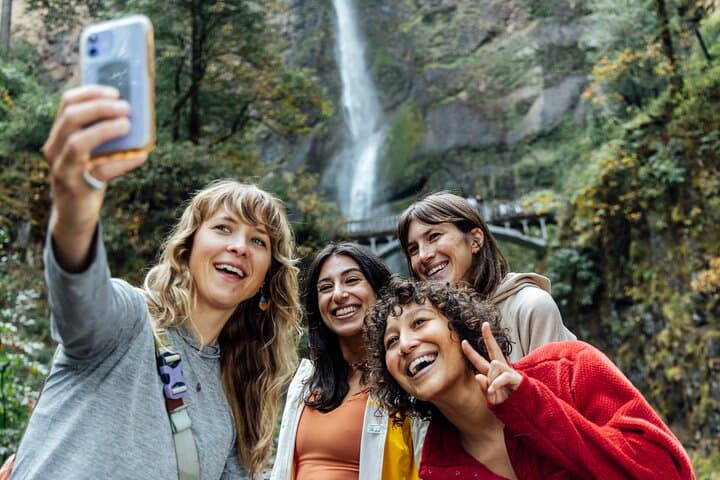
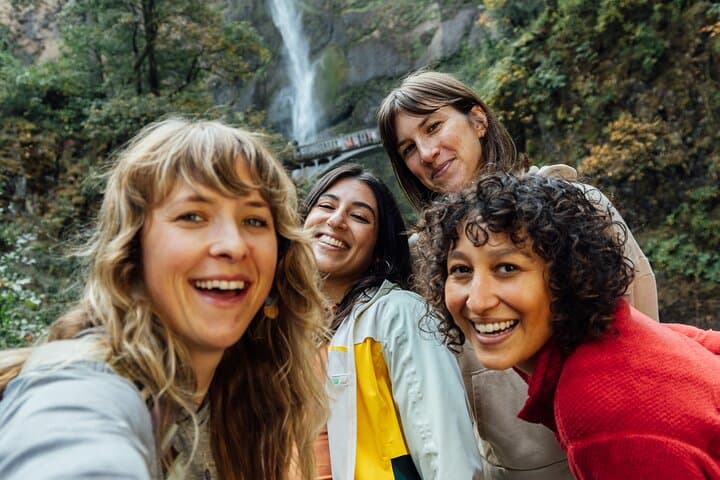
You step off the van into a spray-sweet air and the Gorge greets you with a low, persistent roar—the river apparently impatient, waterfalls daring you closer. In three to four hours this small-group loop peels away from downtown Portland and threads the Historic Columbia River Highway, stopping where viewpoints demand a pause: a 360-degree balcony on basalt, a footbridge that trembles with the whisper of falling water, and a slick trail that leads beneath a curtain of chilled mist.
Verified experiences and guided adventures in the surrounding area.
Operated by Terran Travels · Portland, Oregon
You step off the van into a spray-sweet air and the Gorge greets you with a low, persistent roar—the river apparently impatient, waterfalls daring you closer. In three to four hours this small-group loop peels away from downtown Portland and threads the Historic Columbia River Highway, stopping where viewpoints demand a pause: a 360-degree balcony on basalt, a footbridge that trembles with the whisper of falling water, and a slick trail that leads beneath a curtain of chilled mist.
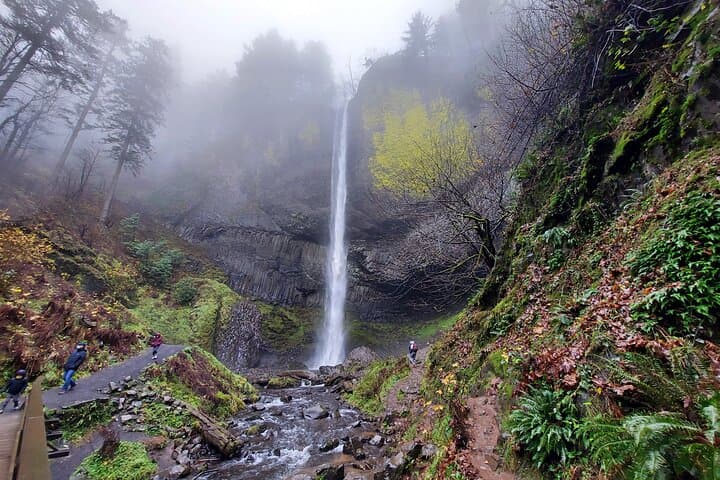
The road itself is part of the story. Built in the early 20th century for Model T motorists, the Columbia River Highway was America’s first scenic roadway, inspired by Alpine drives in Europe. The geology reads like a field guide to volcanic processes—columnar basalt cliffs, layered terraces carved by ancient floods, and hanging cascades that trace fractures in the rock. Multnomah Falls, falling in two tiers for a combined ~620 feet, anchors the western side’s cascade-rich corridor; other smaller falls and hidden coves punctuate the drive, many reached by short, often muddy, stairs or switchbacks.
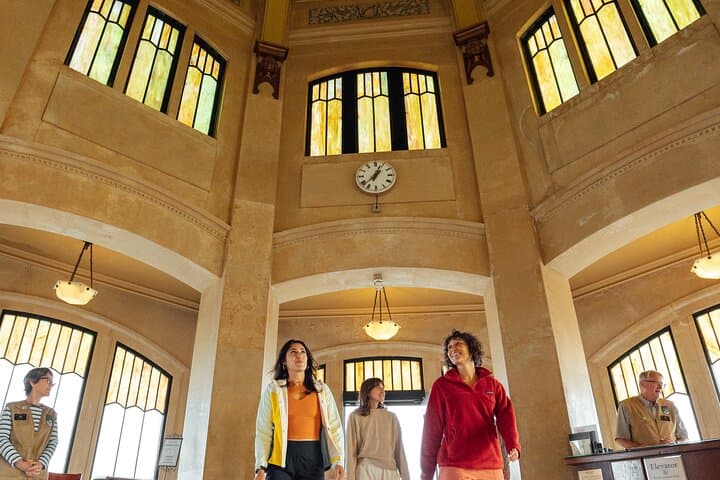
Culture and natural history overlap here: the Sandy River’s salmon and steelhead runs shaped local fishing and, today, the removal of dams has been a major conservation win. The Vista House at Crown Point—“the fanciest rest stop” on the route—offers historical plaques that explain the region’s early tourism boom and the interplay between transportation, tourism and preservation.
Practicalities: this is a guided, small-group tour departing from Director Park in downtown Portland—look for a black or white van. The operator provides bottled water, snacks, an amplified PA so everyone hears the guide, and an air-conditioned vehicle for the road. Expect several short walks ranging from paved viewpoints to muddy trails with stairs; some stops are wheelchair-accessible but others involve uneven footing. Bring a lightweight rain shell and shoes with traction—waterfalls are beautiful because they’re wet.
Timing matters: in spring the Gorge runs high and dramatic with snowmelt; summer brings warm air but smaller flows and more crowds; fall outfits the cliffs with lichen and deeper light; winter is quiet, icy, and requires caution on slick approaches. Photography is rewarding at golden hour and on overcast days that bring even light to falls and basalt textures.
If you want the essence of the Columbia River Gorge in a single half-day—water, rock, history and a local’s stories—this tour stitches them together efficiently. It’s not a hard hike so much as a curated set of encounters that leave you damp, informed, and looking downriver with a new sense of this corridor’s scale and complexity.
easy.
3–4 hours.
Suitable for casual walkers; able to manage short, sometimes steep or muddy sections and stairs.
The meeting point is Director Park in downtown Portland; look for a black or white van and arrive 10–15 minutes early.
No—most stops involve short walks or stairs; the tour is rated easy but requires navigating wet, uneven ground at some viewpoints.
Parts of the route and some viewpoints are wheelchair accessible, but several waterfall approaches involve stairs or uneven trails; contact the operator if accessibility is a concern.
Bring a waterproof jacket, comfortable shoes with traction, water, and a charged camera or phone.
Some stops put you in the spray zone—guides won’t require you to stand directly in heavy spray, but expect damp conditions near cascades.
The tour includes guided stops and commentary; state park fees or parking passes are generally not required for the short stops included, but confirm with the operator for special sites.
The Historic Columbia River Highway, opened in the 1910s, was designed as America’s first scenic auto route; Vista House (1918) served as a rest stop and viewpoint for early motorists.
Dam removals on tributaries like the Sandy River have helped restore salmon and steelhead runs; heavy visitation means staying on trails and packing out waste is critical.
Terran Travels operates guided outdoor trips and adventures with an emphasis on safety, stewardship, and memorable experiences.
You step off the van into a spray-sweet air and the Gorge greets you with a low, persistent roar—the river apparently impatient, waterfalls daring you closer. In three to four hours this small-group loop peels away from downtown Portland and threads the Historic Columbia River Highway, stopping where viewpoints demand a pause: a 360-degree balcony on basalt, a footbridge that trembles with the whisper of falling water, and a slick trail that leads beneath a curtain of chilled mist.
You step off the van into a spray-sweet air and the Gorge greets you with a low, persistent roar—the river apparently impatient, waterfalls daring you closer. In three to four hours this small-group loop peels away from downtown Portland and threads the Historic Columbia River Highway, stopping where viewpoints demand a pause: a 360-degree balcony on basalt, a footbridge that trembles with the whisper of falling water, and a slick trail that leads beneath a curtain of chilled mist.
The road itself is part of the story. Built in the early 20th century for Model T motorists, the Columbia River Highway was America’s first scenic roadway, inspired by Alpine drives in Europe. The geology reads like a field guide to volcanic processes—columnar basalt cliffs, layered terraces carved by ancient floods, and hanging cascades that trace fractures in the rock. Multnomah Falls, falling in two tiers for a combined ~620 feet, anchors the western side’s cascade-rich corridor; other smaller falls and hidden coves punctuate the drive, many reached by short, often muddy, stairs or switchbacks.
Culture and natural history overlap here: the Sandy River’s salmon and steelhead runs shaped local fishing and, today, the removal of dams has been a major conservation win. The Vista House at Crown Point—“the fanciest rest stop” on the route—offers historical plaques that explain the region’s early tourism boom and the interplay between transportation, tourism and preservation.
Practicalities: this is a guided, small-group tour departing from Director Park in downtown Portland—look for a black or white van. The operator provides bottled water, snacks, an amplified PA so everyone hears the guide, and an air-conditioned vehicle for the road. Expect several short walks ranging from paved viewpoints to muddy trails with stairs; some stops are wheelchair-accessible but others involve uneven footing. Bring a lightweight rain shell and shoes with traction—waterfalls are beautiful because they’re wet.
Timing matters: in spring the Gorge runs high and dramatic with snowmelt; summer brings warm air but smaller flows and more crowds; fall outfits the cliffs with lichen and deeper light; winter is quiet, icy, and requires caution on slick approaches. Photography is rewarding at golden hour and on overcast days that bring even light to falls and basalt textures.
If you want the essence of the Columbia River Gorge in a single half-day—water, rock, history and a local’s stories—this tour stitches them together efficiently. It’s not a hard hike so much as a curated set of encounters that leave you damp, informed, and looking downriver with a new sense of this corridor’s scale and complexity.