THE ADVENTURE COLLECTIVE® · Independent discovery and booking for outdoor travel

Navigate Colombo’s living neighborhoods on a four‑hour private walking tour that pairs tuk‑tuk hops with temple visits, street‑food tastings, and in‑depth explanations of Buddhism, Hinduism, Christianity and Islam in Sri Lanka.
Navigate Colombo’s living neighborhoods on a four‑hour private walking tour that pairs tuk‑tuk hops with temple visits, street‑food tastings, and in‑depth explanations of Buddhism, Hinduism, Christianity and Islam in Sri Lanka.
You step out of a tuk‑tuk into a knot of voices and spices; temple bells answer the traffic’s persistent hum as incense threads through the air. The tour threads the dense streets of Colombo—short walks between a Buddhist temple, a Hindu kovil, St. Anthony’s Church, and a mosque—each stop pulling a different set of practices and architecture into view.
Verified experiences and guided adventures in the surrounding area.
Operated by Danny the guide · Colombo, Western Province
You step out of a tuk‑tuk into a knot of voices and spices; temple bells answer the traffic’s persistent hum as incense threads through the air. The tour threads the dense streets of Colombo—short walks between a Buddhist temple, a Hindu kovil, St. Anthony’s Church, and a mosque—each stop pulling a different set of practices and architecture into view.
Colombo’s shoreline plain is young geologically, built on alluvial deposits from the Kelani River rather than elevation, so expect flat routes and open sightlines rather than climbs. The island’s layered history—Sinhala kingdoms, Portuguese and Dutch trade, British colonial port development—shows in carved gables, colonial church façades, and bustling market alleys where spices and commodities still move like old currents.
Culturally the walk is focused: guides explain Buddhist, Hindu, Catholic, and Islamic rituals and how these communities coexist in urban Sri Lanka. You’ll sample cheese kottu and fruit juice, learning how street food reflects modern Colombo’s mixed roots.
Practically, the tour is a four‑hour, low‑elevation experience with intermittent walking (roughly 2–4 km total); tuk‑tuks bridge longer gaps. Dress modestly for temple and mosque interiors, wear comfortable shoes for uneven pavements, and bring sun protection and a small umbrella during monsoon months. Hydrate before you start; most stops permit short, seated breaks. If you want quieter photos, aim for early morning departures when streets are active but less congested.
This half‑day is sensory and informative—a compact primer on Colombo’s religious life, urban markets, and roadside culinary culture.
easy.
4 hours.
Light walking ability; comfortable on city pavements and short staircases; suitable for most fitness levels.
The tour lasts about four hours with moderate walking between sites and tuk‑tuk transfers; expect 2–4 km of walking at an easy pace.
Yes; the itinerary includes interior access where permitted, but dress modestly and follow guide instructions; some inner sanctums may be off‑limits.
A complimentary street‑food snack (cheese kottu and fruit juice) and bottled water are included; notify the operator in advance for dietary restrictions.
The tour is stroller‑accessible on paved sections, but expect steps and crowded alleys at some sites; it’s not recommended for pregnant travelers per the listing.
Colombo’s modern grid grew around a strategic colonial port; successive European powers left churches, fortifications, and mercantile districts that shaped the city’s religious and commercial pluralism.
Support small vendors, avoid single‑use plastics, and follow guidelines at religious sites to reduce wear and respect sacred spaces.
Danny the guide operates guided outdoor trips and adventures with an emphasis on safety, stewardship, and memorable experiences.
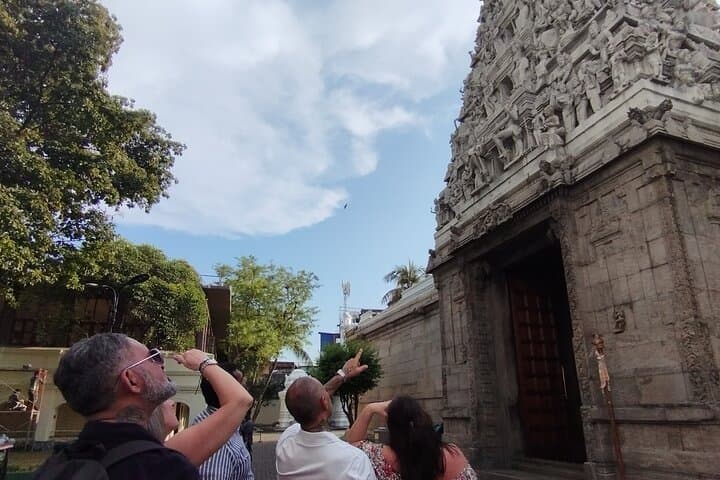
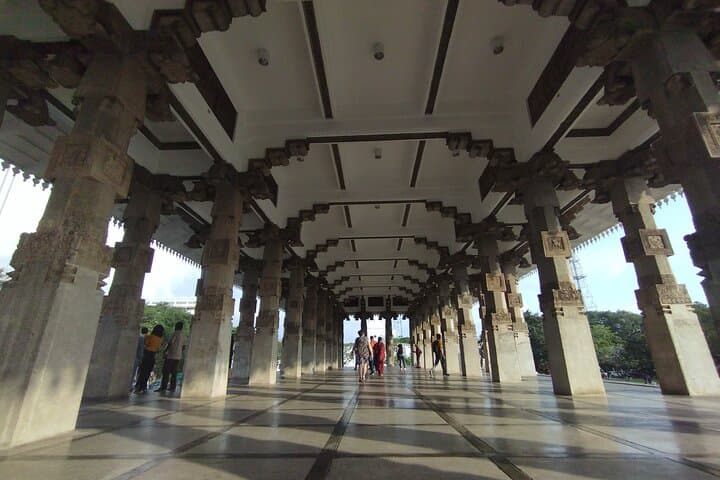
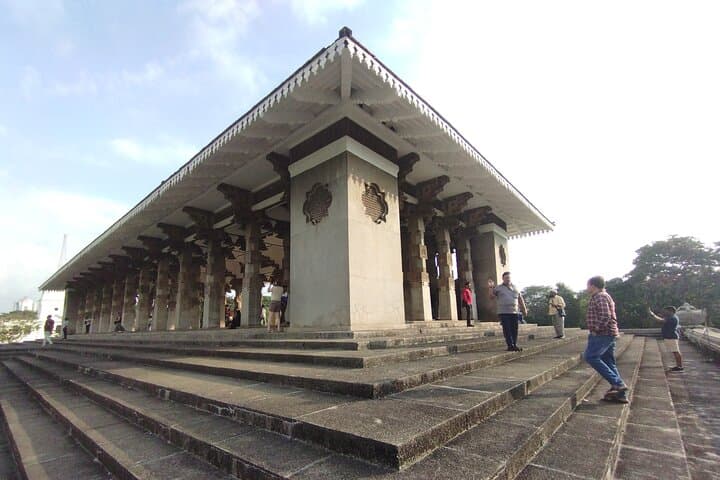
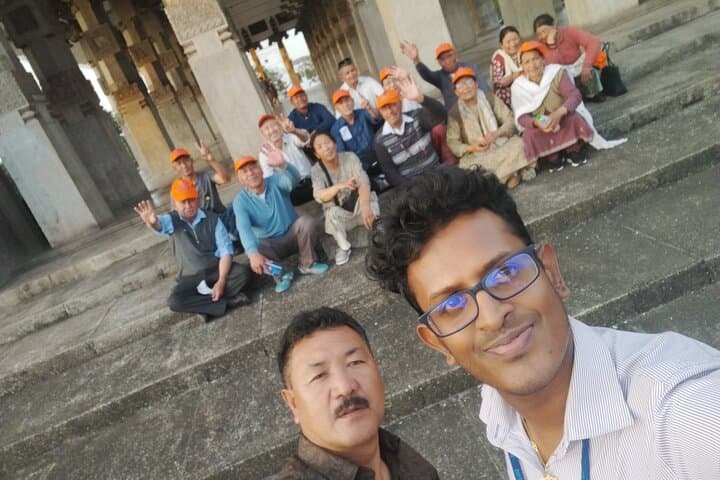
You step out of a tuk‑tuk into a knot of voices and spices; temple bells answer the traffic’s persistent hum as incense threads through the air. The tour threads the dense streets of Colombo—short walks between a Buddhist temple, a Hindu kovil, St. Anthony’s Church, and a mosque—each stop pulling a different set of practices and architecture into view.
You step out of a tuk‑tuk into a knot of voices and spices; temple bells answer the traffic’s persistent hum as incense threads through the air. The tour threads the dense streets of Colombo—short walks between a Buddhist temple, a Hindu kovil, St. Anthony’s Church, and a mosque—each stop pulling a different set of practices and architecture into view.
Colombo’s shoreline plain is young geologically, built on alluvial deposits from the Kelani River rather than elevation, so expect flat routes and open sightlines rather than climbs. The island’s layered history—Sinhala kingdoms, Portuguese and Dutch trade, British colonial port development—shows in carved gables, colonial church façades, and bustling market alleys where spices and commodities still move like old currents.
Culturally the walk is focused: guides explain Buddhist, Hindu, Catholic, and Islamic rituals and how these communities coexist in urban Sri Lanka. You’ll sample cheese kottu and fruit juice, learning how street food reflects modern Colombo’s mixed roots.
Practically, the tour is a four‑hour, low‑elevation experience with intermittent walking (roughly 2–4 km total); tuk‑tuks bridge longer gaps. Dress modestly for temple and mosque interiors, wear comfortable shoes for uneven pavements, and bring sun protection and a small umbrella during monsoon months. Hydrate before you start; most stops permit short, seated breaks. If you want quieter photos, aim for early morning departures when streets are active but less congested.
This half‑day is sensory and informative—a compact primer on Colombo’s religious life, urban markets, and roadside culinary culture.