THE ADVENTURE COLLECTIVE® · Independent discovery and booking for outdoor travel

Leave Medellín for a four-hour dive into Colombia’s coffee country — visit a family-run plantation, sample roast styles, and even ride along farm paths. This half-day tour pairs practical demonstrations with sensory tasting.
Leave Medellín for a four-hour dive into Colombia’s coffee country — visit a family-run plantation, sample roast styles, and even ride along farm paths. This half-day tour pairs practical demonstrations with sensory tasting.
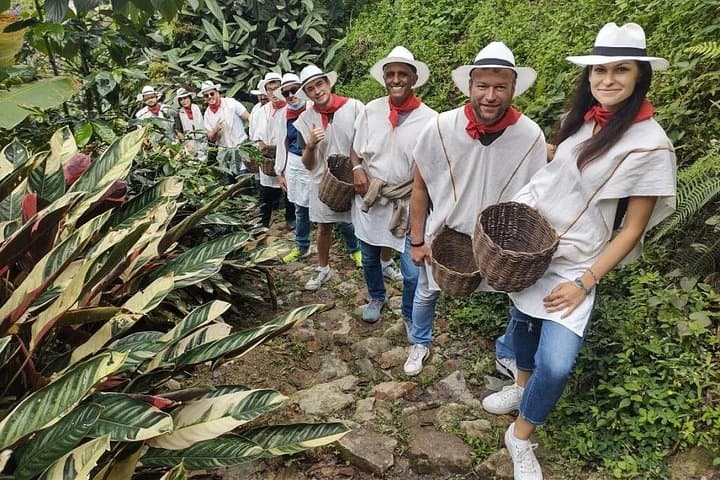
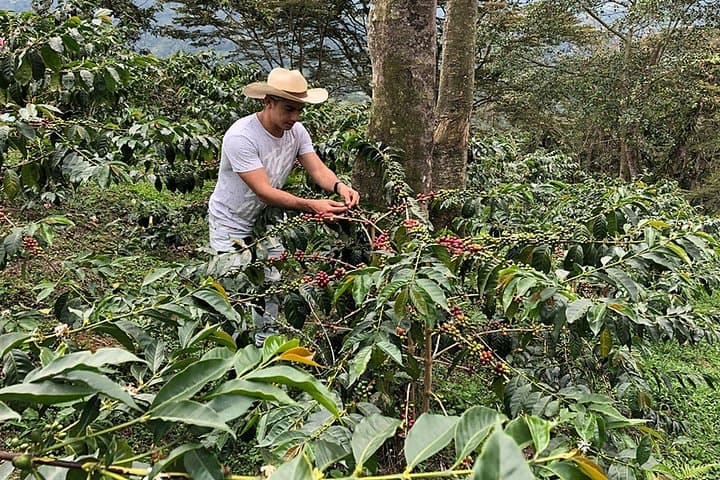
A cloud-sliced hillside opens as the van winds away from Medellín, green rows of coffee plants rolling into view. The air carries a bitter-sweet scent of drying beans and damp earth; workers move between shaded rows and a guide points to a tree where shadow and sun shape different harvests.
Verified experiences and guided adventures in the surrounding area.
Operated by Conexión viajes y turismo · Medellín, Antioquia
A cloud-sliced hillside opens as the van winds away from Medellín, green rows of coffee plants rolling into view. The air carries a bitter-sweet scent of drying beans and damp earth; workers move between shaded rows and a guide points to a tree where shadow and sun shape different harvests.
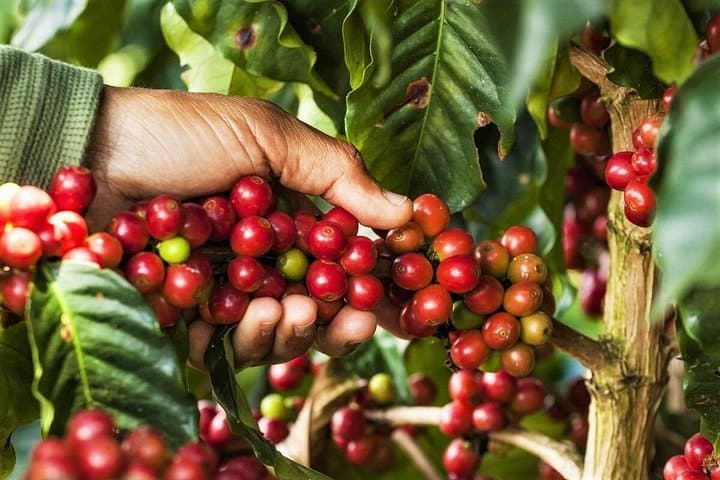
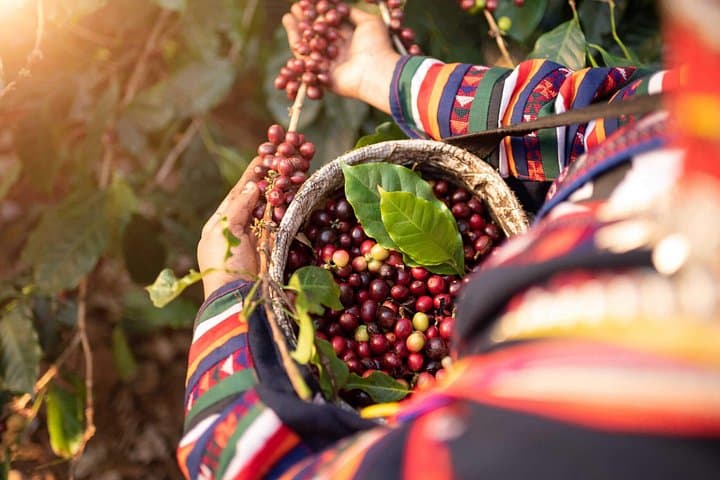
Antioquia’s coffee story is tied to the western Andes: volcanic soils and steep microclimates create the acidity and floral notes prized in Colombian roasts. Family farms around Medellín often span generations; techniques passed down here blend Spanish-introduced cultivation with local knowledge of altitude, soil, and rainfall. On a half-day visit, visitors see the full chain — cherry selection, pulping, drying racks, small-batch roasting, and a hands-on brew demo — while horse rides or farm-path walks offer a close-up of plantings, irrigation channels, and occasional epiphytes clinging to shade trees.
Expect dirt lanes and short uphill sections on compacted soil; the site sits in the coffee belt often between 1,200–1,800 meters elevation, where mornings are cool and midday bright. Guides explain tasting notes and the social history of family farms, and tastings include multiple roast profiles.
Practical: tours are roughly four hours with private round-trip transport from Medellín, suitable for most fitness levels but not fully wheelchair accessible. Wear closed-toe shoes, bring a light rain layer and sun protection, and carry a refillable water bottle. Cash is useful for buying beans. Plan for morning departures when smells, light, and cupping sessions are best.
easy.
4 hours.
Suitable for travelers in average physical condition: short walks and gentle slopes; not strenuous.
The tour lasts about four hours and typically includes private transport from Medellín, entrance to the plantation, a guided coffee-process demonstration, tastings, and a short horse ride or farm walk.
Yes; round-trip private transportation and hotel pickup are commonly included in the tour package.
Yes; the activity is family-friendly but infants must sit on an adult’s lap during transfers and children should be supervised near processing equipment.
Yes; tastings of roast styles are part of the visit and many farms sell freshly roasted beans on site—bring cash for purchases.
Antioquia’s coffee boom in the 19th and 20th centuries shaped many family-run fincas; smallholder farms preserve regional roasting and processing traditions tied to elevation-specific yields.
Many farms use shade-grown techniques and water management to reduce erosion; visitors should stick to paths and avoid disturbing drying racks to limit impact.
Conexión viajes y turismo operates guided outdoor trips and adventures with an emphasis on safety, stewardship, and memorable experiences.
A cloud-sliced hillside opens as the van winds away from Medellín, green rows of coffee plants rolling into view. The air carries a bitter-sweet scent of drying beans and damp earth; workers move between shaded rows and a guide points to a tree where shadow and sun shape different harvests.
A cloud-sliced hillside opens as the van winds away from Medellín, green rows of coffee plants rolling into view. The air carries a bitter-sweet scent of drying beans and damp earth; workers move between shaded rows and a guide points to a tree where shadow and sun shape different harvests.
Antioquia’s coffee story is tied to the western Andes: volcanic soils and steep microclimates create the acidity and floral notes prized in Colombian roasts. Family farms around Medellín often span generations; techniques passed down here blend Spanish-introduced cultivation with local knowledge of altitude, soil, and rainfall. On a half-day visit, visitors see the full chain — cherry selection, pulping, drying racks, small-batch roasting, and a hands-on brew demo — while horse rides or farm-path walks offer a close-up of plantings, irrigation channels, and occasional epiphytes clinging to shade trees.
Expect dirt lanes and short uphill sections on compacted soil; the site sits in the coffee belt often between 1,200–1,800 meters elevation, where mornings are cool and midday bright. Guides explain tasting notes and the social history of family farms, and tastings include multiple roast profiles.
Practical: tours are roughly four hours with private round-trip transport from Medellín, suitable for most fitness levels but not fully wheelchair accessible. Wear closed-toe shoes, bring a light rain layer and sun protection, and carry a refillable water bottle. Cash is useful for buying beans. Plan for morning departures when smells, light, and cupping sessions are best.