THE ADVENTURE COLLECTIVE® · Independent discovery and booking for outdoor travel

Spend a thoughtful half-day at an ethical elephant sanctuary near Chiang Mai where community caretakers focus on rescue, feeding, and rehabilitation. This practical wildlife experience blends animal care education with hands-on observation and local cultural insight.
Spend a thoughtful half-day at an ethical elephant sanctuary near Chiang Mai where community caretakers focus on rescue, feeding, and rehabilitation. This practical wildlife experience blends animal care education with hands-on observation and local cultural insight.
You step out of the van into humid northern Thai air and hear low rumbles: elephants moving through scrub and tamarind trees, curious trunks reaching toward you. The setting is rural Banchang, just outside Chiang Mai, where a community-led sanctuary focuses on compassionate care rather than performance. The morning unfolds as guides walk visitors through feeding, basic foot care observation, and quiet time at the water’s edge while the animals graze nearby.
Verified experiences and guided adventures in the surrounding area.
Operated by Smile Elephant Chiang Mai · Chiang Mai, Chiang Mai Province
You step out of the van into humid northern Thai air and hear low rumbles: elephants moving through scrub and tamarind trees, curious trunks reaching toward you. The setting is rural Banchang, just outside Chiang Mai, where a community-led sanctuary focuses on compassionate care rather than performance. The morning unfolds as guides walk visitors through feeding, basic foot care observation, and quiet time at the water’s edge while the animals graze nearby.
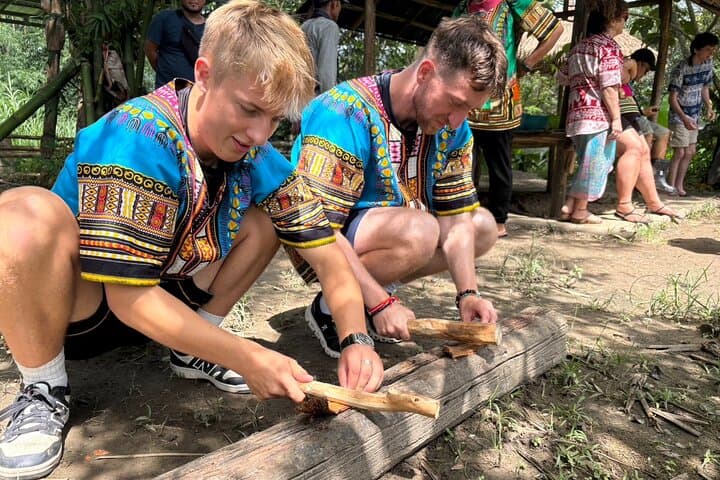
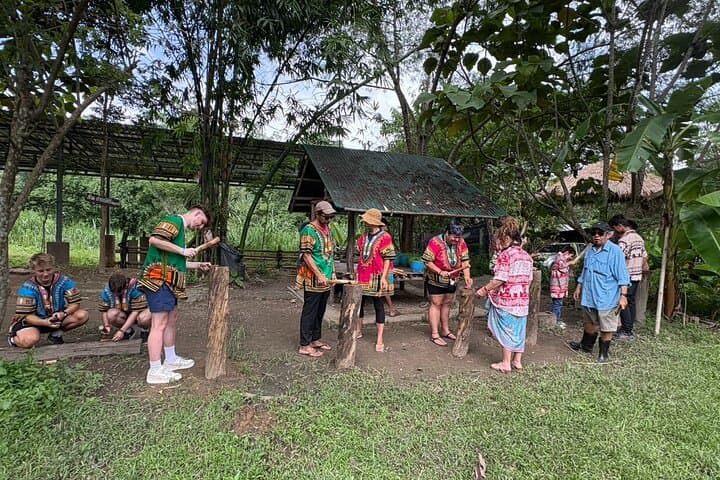
Chiang Mai sits on an alluvial plain ringed by low hills carved from ancient lava flows and laterite soils; these soils support the tamarind, bamboo, and small teak stands that make up the sanctuary’s buffers. The cooperative model here ties into northern Thai mahout traditions — families who have worked with elephants for generations — now shifting toward rescue and rehabilitation rather than logging or rides. Expect cultural moments too: stories from local caretakers, a simple lunch of Thai dishes, and a chance to learn how community ecotourism funds veterinary care and feed.
Practically, this is a moderately active half-day: expect standing, short walks on uneven dirt, and close encounters that require calm, respectful behavior. Wear sturdy closed shoes, bring sun protection, and plan for heat and possible mud. Photography is welcome but avoid using flash and always follow the guide’s directions around animals. The visit is best scheduled for morning or late afternoon to avoid the midday heat, and it’s a meaningful way to support elephant welfare while gaining insight into northern Thailand’s living cultural landscape.
moderate.
5–6 hours.
Moderate fitness recommended—able to stand, walk short uneven distances, and follow safety instructions.
No; ethical sanctuaries focused on rescue and welfare prohibit rides and prioritize natural behaviors and low-stress interactions.
Yes, the tour typically includes air-conditioned van transport from specified pickup points in Chiang Mai—confirm your pickup at booking.
Children are usually allowed but check age restrictions and ensure they can follow safety instructions; very young children may be discouraged.
Most bookings include transport, a simple lunch, coffee or tea, an English-speaking guide, and insurance; check specifics when booking.
Local mahout families have historically worked with elephants in logging and agriculture; many recent projects transition those skills into sanctuary care and community ecotourism.
Visits fund rescue, feed, and veterinary care; follow rules to minimize stress to animals and reduce your footprint by avoiding single-use plastics on-site.
Smile Elephant Chiang Mai operates guided outdoor trips and adventures with an emphasis on safety, stewardship, and memorable experiences.
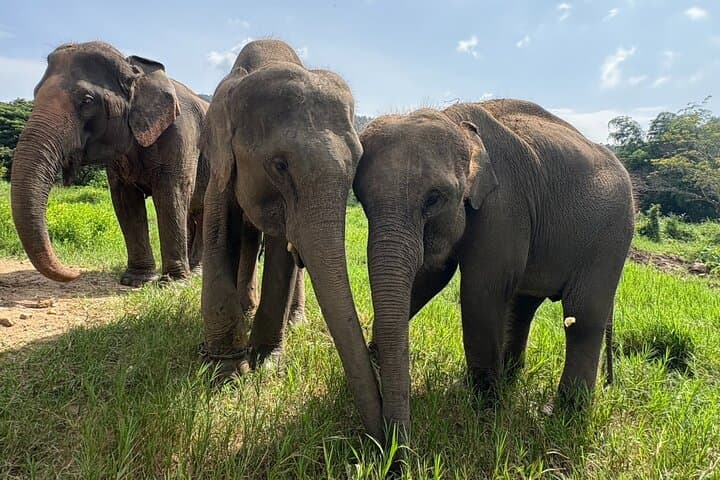

You step out of the van into humid northern Thai air and hear low rumbles: elephants moving through scrub and tamarind trees, curious trunks reaching toward you. The setting is rural Banchang, just outside Chiang Mai, where a community-led sanctuary focuses on compassionate care rather than performance. The morning unfolds as guides walk visitors through feeding, basic foot care observation, and quiet time at the water’s edge while the animals graze nearby.
You step out of the van into humid northern Thai air and hear low rumbles: elephants moving through scrub and tamarind trees, curious trunks reaching toward you. The setting is rural Banchang, just outside Chiang Mai, where a community-led sanctuary focuses on compassionate care rather than performance. The morning unfolds as guides walk visitors through feeding, basic foot care observation, and quiet time at the water’s edge while the animals graze nearby.
Chiang Mai sits on an alluvial plain ringed by low hills carved from ancient lava flows and laterite soils; these soils support the tamarind, bamboo, and small teak stands that make up the sanctuary’s buffers. The cooperative model here ties into northern Thai mahout traditions — families who have worked with elephants for generations — now shifting toward rescue and rehabilitation rather than logging or rides. Expect cultural moments too: stories from local caretakers, a simple lunch of Thai dishes, and a chance to learn how community ecotourism funds veterinary care and feed.
Practically, this is a moderately active half-day: expect standing, short walks on uneven dirt, and close encounters that require calm, respectful behavior. Wear sturdy closed shoes, bring sun protection, and plan for heat and possible mud. Photography is welcome but avoid using flash and always follow the guide’s directions around animals. The visit is best scheduled for morning or late afternoon to avoid the midday heat, and it’s a meaningful way to support elephant welfare while gaining insight into northern Thailand’s living cultural landscape.