THE ADVENTURE COLLECTIVE® · Independent discovery and booking for outdoor travel

Spend a half-day exploring Chengdu’s vibrant spice market and learning to cook classic Sichuan dishes in a traditional courtyard. This private, four-hour experience blends hands-on technique, tea culture, and market sourcing for a practical taste of Sichuan cuisine.
Spend a half-day exploring Chengdu’s vibrant spice market and learning to cook classic Sichuan dishes in a traditional courtyard. This private, four-hour experience blends hands-on technique, tea culture, and market sourcing for a practical taste of Sichuan cuisine.
You step out of Wenshu Monastery Metro Station into a corridor of sound and scent: vendors call prices, ginger and Sichuan peppercorns scent the air, and red chilies hang like lanterns from wooden stalls. The guide hands you a bamboo basket and sends you on a short mission through the market — select the peppers, herbs and aromatics that will define your meal.
Verified experiences and guided adventures in the surrounding area.
Operated by Leo's Guide & Driver Service · Chengdu, Sichuan
You step out of Wenshu Monastery Metro Station into a corridor of sound and scent: vendors call prices, ginger and Sichuan peppercorns scent the air, and red chilies hang like lanterns from wooden stalls. The guide hands you a bamboo basket and sends you on a short mission through the market — select the peppers, herbs and aromatics that will define your meal.
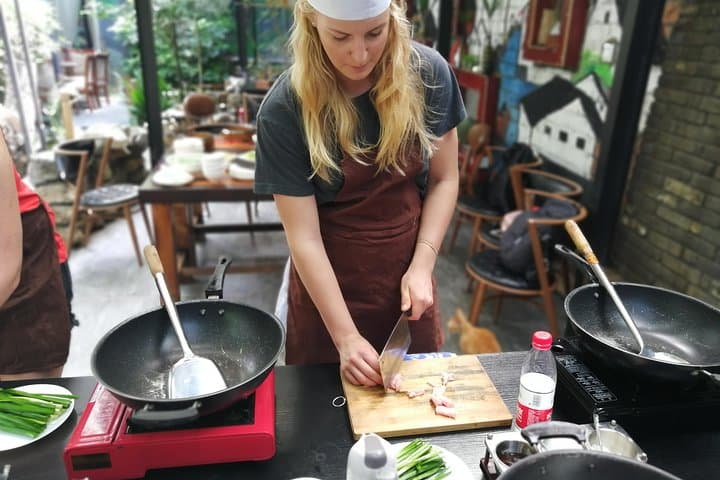
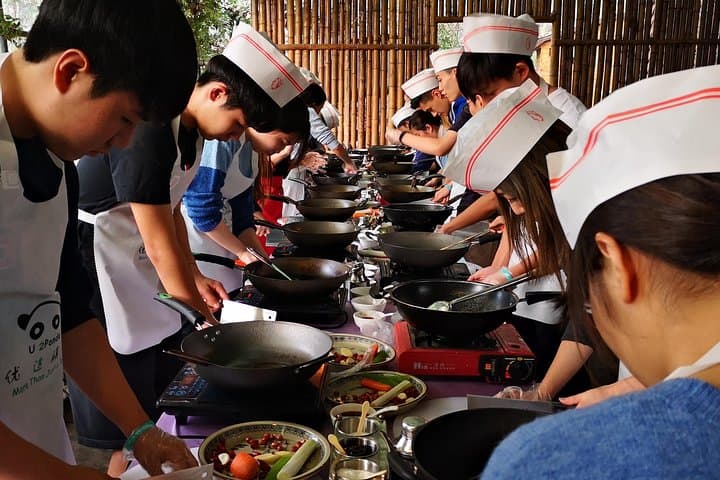
Chengdu sits on the fertile Chengdu Plain, a basin that has fed Sichuan’s bold cuisine for centuries. The region’s cuisine evolved around river-fed rice paddies, preserved pickles, and the local ma la (numbing-spicy) palate that elevates simple ingredients. The class moves into an inner courtyard restaurant — a traditional space where tea culture and quiet technique meet — and a professional chef explains knife cuts, tempering oil, and the role of Sichuan pepper’s citrusy tingle.
In practical terms, expect four hours total: a 30–40 minute market tour, two hours of hands-on cooking, and a relaxed hour to eat and debrief. The experience is private and accessible, suitable for beginners; the chef adapts recipes to dietary needs if told ahead of time. Bring a small bag for purchased spices, wear closed-toe shoes for busy streets and kitchen floors, and keep a translation app handy for ingredient names. Cash is useful for small market buys. The class ends with help arranging onward transport.
This half-day blends sensory market reconnaissance with disciplined, practical cooking skills — a compact, urban food-adventure that leaves you with recipes, tea knowledge, and a pocket of fresh Sichuan spices to take home.
easy.
4 hours.
Light activity; standing and walking for short periods, minimal physical strain
Meet at Wenshu Monastery Metro Station Exit K; the guide greets you there and leads the short walk to the market.
Yes — inform the operator at booking so the chef can adjust recipes and ingredients accordingly.
Children are welcome but must be supervised; infant seats and stroller access are available, and the activity is rated physically easy.
An English-speaking guide and chef lead the experience; clarifications can be requested as needed.
Sichuan cuisine grew from the Chengdu Plain’s agricultural abundance; monasteries like Wenshu historically supported vegetarian culinary traditions and tea culture.
Choose vendors who use loose tea and minimal plastic packaging; buying local, seasonal ingredients supports small producers and reduces food miles.
Leo's Guide & Driver Service operates guided outdoor trips and adventures with an emphasis on safety, stewardship, and memorable experiences.
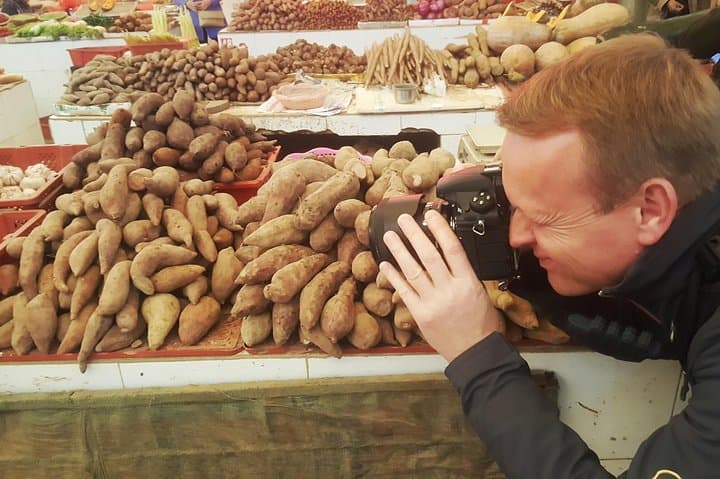
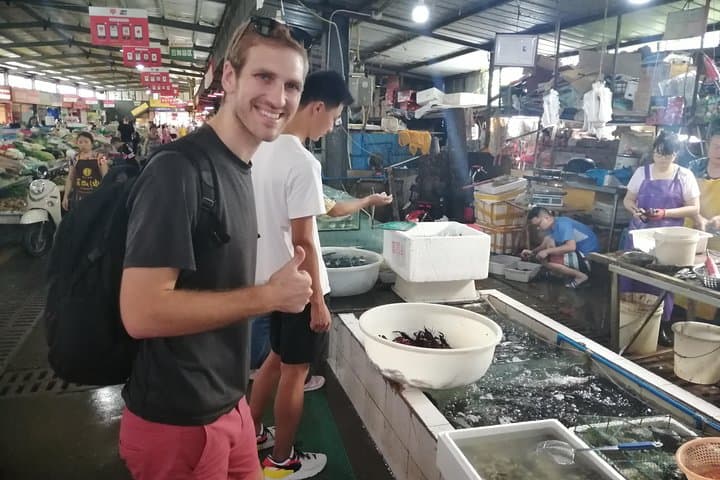
You step out of Wenshu Monastery Metro Station into a corridor of sound and scent: vendors call prices, ginger and Sichuan peppercorns scent the air, and red chilies hang like lanterns from wooden stalls. The guide hands you a bamboo basket and sends you on a short mission through the market — select the peppers, herbs and aromatics that will define your meal.
You step out of Wenshu Monastery Metro Station into a corridor of sound and scent: vendors call prices, ginger and Sichuan peppercorns scent the air, and red chilies hang like lanterns from wooden stalls. The guide hands you a bamboo basket and sends you on a short mission through the market — select the peppers, herbs and aromatics that will define your meal.
Chengdu sits on the fertile Chengdu Plain, a basin that has fed Sichuan’s bold cuisine for centuries. The region’s cuisine evolved around river-fed rice paddies, preserved pickles, and the local ma la (numbing-spicy) palate that elevates simple ingredients. The class moves into an inner courtyard restaurant — a traditional space where tea culture and quiet technique meet — and a professional chef explains knife cuts, tempering oil, and the role of Sichuan pepper’s citrusy tingle.
In practical terms, expect four hours total: a 30–40 minute market tour, two hours of hands-on cooking, and a relaxed hour to eat and debrief. The experience is private and accessible, suitable for beginners; the chef adapts recipes to dietary needs if told ahead of time. Bring a small bag for purchased spices, wear closed-toe shoes for busy streets and kitchen floors, and keep a translation app handy for ingredient names. Cash is useful for small market buys. The class ends with help arranging onward transport.
This half-day blends sensory market reconnaissance with disciplined, practical cooking skills — a compact, urban food-adventure that leaves you with recipes, tea knowledge, and a pocket of fresh Sichuan spices to take home.