THE ADVENTURE COLLECTIVE® · Independent discovery and booking for outdoor travel

Spend a restorative half-day exploring two striking cenotes near Tulum: the semi-open Yum Ha for swimming and sunlight, and the cave-quiet Sol y Luna for ancient stalactites. Small groups, guided geology and cultural context, plus a regional lunch make this a focused, accessible immersion in the Yucatán’s karst landscape.
Spend a restorative half-day exploring two striking cenotes near Tulum: the semi-open Yum Ha for swimming and sunlight, and the cave-quiet Sol y Luna for ancient stalactites. Small groups, guided geology and cultural context, plus a regional lunch make this a focused, accessible immersion in the Yucatán’s karst landscape.
The first splash is always a surprise — cool, luminous water that seems to come from the earth itself. You step down a short limestone stair into Yum Ha, a semi-open cenote where sunlight slices through a leafy rim and the water reflects green and blue like a held breath. Later you lower yourself into Sol y Luna, a true cave cenote where stalactites and stalagmites loom like slow-motion architecture and the silence feels archaeology-deep.
Verified experiences and guided adventures in the surrounding area.
Operated by TulumAdventure Mexico · Tulum, Quintana Roo
The first splash is always a surprise — cool, luminous water that seems to come from the earth itself. You step down a short limestone stair into Yum Ha, a semi-open cenote where sunlight slices through a leafy rim and the water reflects green and blue like a held breath. Later you lower yourself into Sol y Luna, a true cave cenote where stalactites and stalagmites loom like slow-motion architecture and the silence feels archaeology-deep.
These cenotes are part of the Yucatán’s vast karst network carved in limestone over millennia; sinkholes expose groundwater and reveal formations formed by mineral-rich drips and centuries of subterranean flow. Locally, cenotes were freshwater lifelines and sacred places for Maya communities; visiting here is both a natural and cultural encounter. Guides on small groups (max 12) explain formation, point out delicate speleothems, and share regional stories while serving a simple meal of rice, beans and tacos.
Practical edge: the tour runs about four hours with air-conditioned transfer from Tulum, moderate fitness recommended, and some short climbs and steps. Bring reef-safe sunscreen, sturdy sandals that strap, a quick-dry towel, and a waterproof bag for your phone. Expect cool, fresh water in the cave and brighter light at the semi-open cenote; if you have back issues or are pregnant, this trip is not advised.
Timing your visit for morning light reduces crowds and gives softer sun for photos. Respect the formations: no touching stalactites, avoid soaps in the water, and follow your guide’s routes — the caves are fragile and patient, but they respond quickly to care or neglect.
moderate.
4 hours.
Moderate — comfortable with short climbs, stairs and swimming in open and cavernous pools
The tour lasts about four hours and includes transport by air-conditioned minivan, a bilingual guide, access to two cenotes, and a regional lunch (rice, beans and tacos).
Swimming is optional but central to the experience; life jackets are typically provided if you prefer them.
Children are allowed but must be accompanied by an adult; the tour is designed for small groups and has stair access to water. Consider mobility and comfort with caves.
This tour is not recommended for travelers with spinal injuries or pregnant guests due to stairs and entry/exit into water.
Cenotes supplied freshwater to ancient Maya communities and were frequently used in ritual contexts; many local place names and stories reference their cultural importance.
These groundwater systems are sensitive to contamination; use biodegradable products, avoid touching formations, and follow guide instructions to minimize impact.
TulumAdventure Mexico operates guided outdoor trips and adventures with an emphasis on safety, stewardship, and memorable experiences.
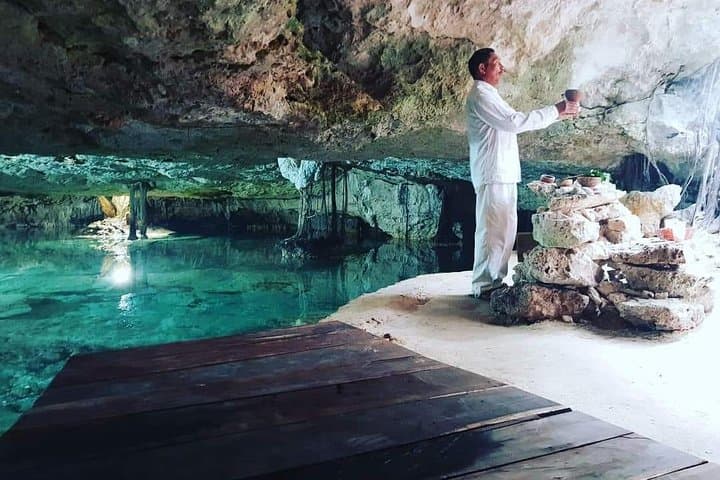
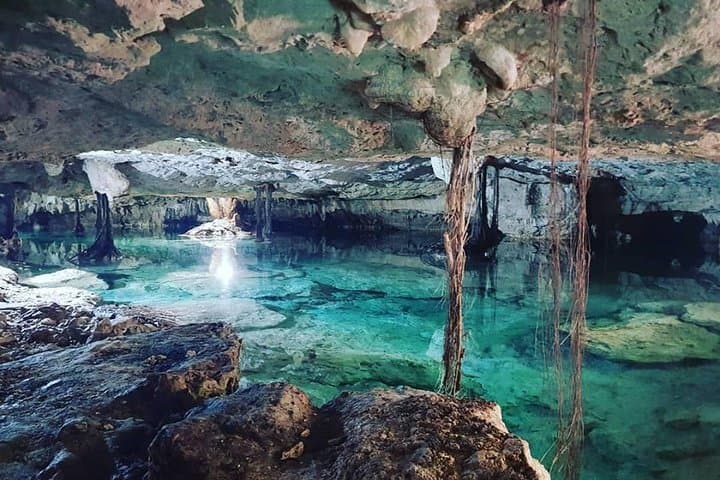
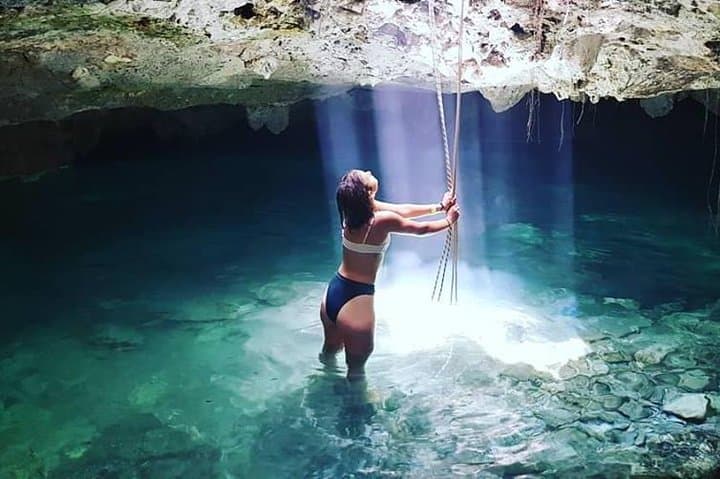
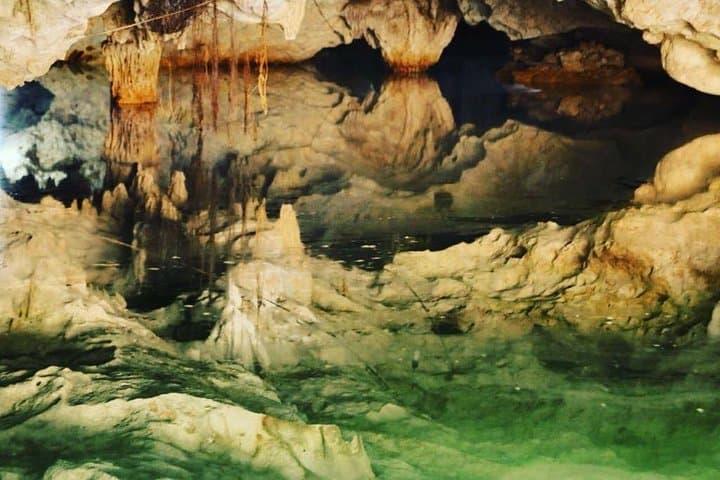
The first splash is always a surprise — cool, luminous water that seems to come from the earth itself. You step down a short limestone stair into Yum Ha, a semi-open cenote where sunlight slices through a leafy rim and the water reflects green and blue like a held breath. Later you lower yourself into Sol y Luna, a true cave cenote where stalactites and stalagmites loom like slow-motion architecture and the silence feels archaeology-deep.
The first splash is always a surprise — cool, luminous water that seems to come from the earth itself. You step down a short limestone stair into Yum Ha, a semi-open cenote where sunlight slices through a leafy rim and the water reflects green and blue like a held breath. Later you lower yourself into Sol y Luna, a true cave cenote where stalactites and stalagmites loom like slow-motion architecture and the silence feels archaeology-deep.
These cenotes are part of the Yucatán’s vast karst network carved in limestone over millennia; sinkholes expose groundwater and reveal formations formed by mineral-rich drips and centuries of subterranean flow. Locally, cenotes were freshwater lifelines and sacred places for Maya communities; visiting here is both a natural and cultural encounter. Guides on small groups (max 12) explain formation, point out delicate speleothems, and share regional stories while serving a simple meal of rice, beans and tacos.
Practical edge: the tour runs about four hours with air-conditioned transfer from Tulum, moderate fitness recommended, and some short climbs and steps. Bring reef-safe sunscreen, sturdy sandals that strap, a quick-dry towel, and a waterproof bag for your phone. Expect cool, fresh water in the cave and brighter light at the semi-open cenote; if you have back issues or are pregnant, this trip is not advised.
Timing your visit for morning light reduces crowds and gives softer sun for photos. Respect the formations: no touching stalactites, avoid soaps in the water, and follow your guide’s routes — the caves are fragile and patient, but they respond quickly to care or neglect.