THE ADVENTURE COLLECTIVE® · Independent discovery and booking for outdoor travel

Explore Rapa Nui’s inland moai, the island’s largest cave system, and the red scoria quarry where pukao were carved. This private half-day tour mixes archaeology, geology and hands-on local storytelling for a compact cultural adventure.
Explore Rapa Nui’s inland moai, the island’s largest cave system, and the red scoria quarry where pukao were carved. This private half-day tour mixes archaeology, geology and hands-on local storytelling for a compact cultural adventure.
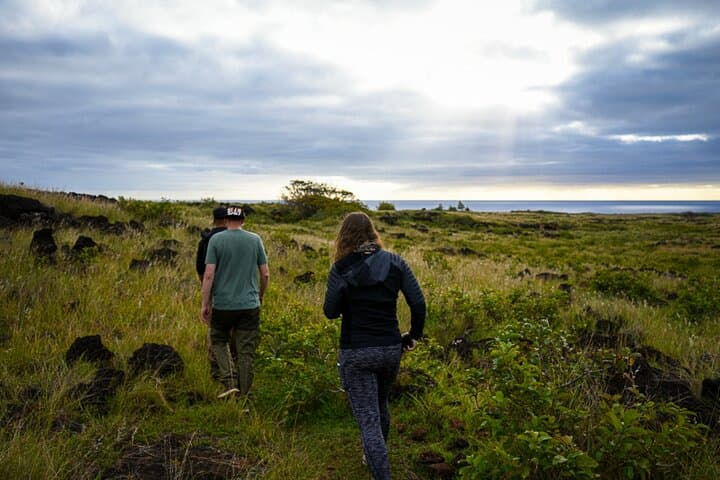
You step out of Hanga Roa’s quiet streets into wind-swept pasture, the Pacific pressing on the horizons and stone figures watching inland.
Verified experiences and guided adventures in the surrounding area.
Operated by Kapua Tours & Experience · Hanga Roa, Valparaíso Region
You step out of Hanga Roa’s quiet streets into wind-swept pasture, the Pacific pressing on the horizons and stone figures watching inland.
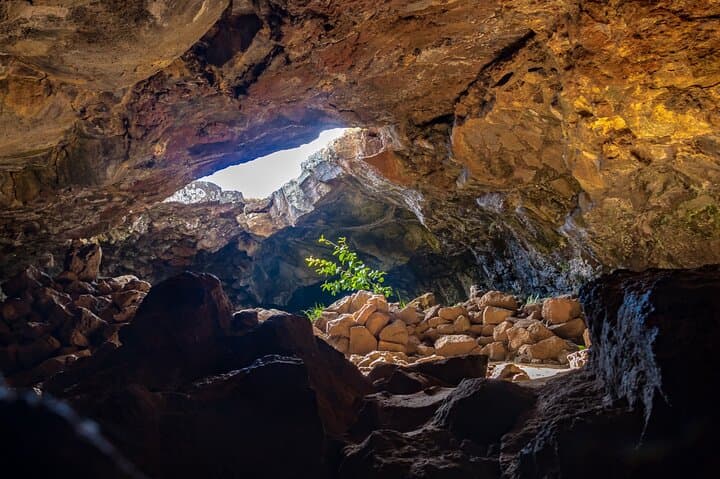
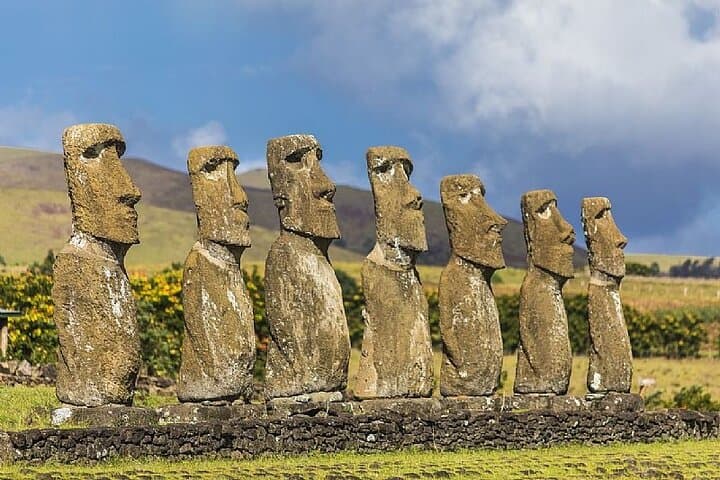
This half-day private tour threads three very different chapters of Rapa Nui’s story: the astronomical Ahu Akivi platform where seven moai face the sea, the cool darkness of Ana Te Pahu cave system carved from volcanic flows, and Puna Pau, the small extinct volcano where red scoria was cut into pukao (the moai topknots). Geology and human will are obvious here — tuff benches, scoria quarries and lava tubes revealing how island builders moved stone and read the sky.
Guides will link myth and method: Hotu Matu’a’s voyagers, the seasonal alignments of Ahu Akivi tied to planting calendars, and the practical logistics of quarrying a different rock for the pukao. The caves carry an echo of community life; the quarry offers 360-degree exposure to wind and views.
Practical notes: tours run about 2–4 hours and include private transport and bottled water; expect short walks on uneven ground and low-light passages in caves. Bring a headlamp, windproof layer and sturdy shoes. Time your visit for morning or late afternoon to avoid the strongest winds and to see the moai with directional light. Stay on marked paths, avoid climbing on restored platforms, and follow your guide’s instructions — these landscapes are archaeologically fragile.
The tour is compact but rich: cultural context, raw geology, and the tactile feel of island stone. It’s ideal for travelers wanting history and geology in a single, manageable outing.
easy.
2–4 hours.
Light activity; suitable for most fitness levels but expect short walks on uneven terrain and low-light cave sections
The tour runs about 2–4 hours and includes private transportation, bottled water and a native certified guide; admission fees are typically not required for the open sites visited.
Ana Te Pahu involves low-light, uneven surfaces but no technical caving; people should be steady on their feet—bring a headlamp and wear sturdy shoes.
No — touching or removing archaeological material is prohibited to protect fragile surfaces and ongoing restorations; follow your guide’s directions at all times.
The tour is described as suitable for all fitness levels, but caves and uneven ground may be challenging for limited mobility—ask the operator about specific accommodations before booking.
Ahu Akivi’s seven moai are linked to the island’s founding narratives and were positioned for seasonal sunrise observations; Puna Pau was the island’s red scoria quarry for pukao.
Rapa Nui’s archaeological sites are sensitive; stick to paths, avoid touching restorations and travel with certified guides to minimize impact.
Kapua Tours & Experience operates guided outdoor trips and adventures with an emphasis on safety, stewardship, and memorable experiences.
You step out of Hanga Roa’s quiet streets into wind-swept pasture, the Pacific pressing on the horizons and stone figures watching inland.
You step out of Hanga Roa’s quiet streets into wind-swept pasture, the Pacific pressing on the horizons and stone figures watching inland.
This half-day private tour threads three very different chapters of Rapa Nui’s story: the astronomical Ahu Akivi platform where seven moai face the sea, the cool darkness of Ana Te Pahu cave system carved from volcanic flows, and Puna Pau, the small extinct volcano where red scoria was cut into pukao (the moai topknots). Geology and human will are obvious here — tuff benches, scoria quarries and lava tubes revealing how island builders moved stone and read the sky.
Guides will link myth and method: Hotu Matu’a’s voyagers, the seasonal alignments of Ahu Akivi tied to planting calendars, and the practical logistics of quarrying a different rock for the pukao. The caves carry an echo of community life; the quarry offers 360-degree exposure to wind and views.
Practical notes: tours run about 2–4 hours and include private transport and bottled water; expect short walks on uneven ground and low-light passages in caves. Bring a headlamp, windproof layer and sturdy shoes. Time your visit for morning or late afternoon to avoid the strongest winds and to see the moai with directional light. Stay on marked paths, avoid climbing on restored platforms, and follow your guide’s instructions — these landscapes are archaeologically fragile.
The tour is compact but rich: cultural context, raw geology, and the tactile feel of island stone. It’s ideal for travelers wanting history and geology in a single, manageable outing.