THE ADVENTURE COLLECTIVE® · Independent discovery and booking for outdoor travel

Descend from Sapa into the Muong Hoa Valley for a half-day cultural walk to Cát Cát Village and Tiên Sa Waterfall. Expect artisan workshops, traditional H'mong stilt houses, and a short, mostly downhill hike through terraced rice fields.
Descend from Sapa into the Muong Hoa Valley for a half-day cultural walk to Cát Cát Village and Tiên Sa Waterfall. Expect artisan workshops, traditional H'mong stilt houses, and a short, mostly downhill hike through terraced rice fields.
You step off the paved road and the valley takes over: terraced rice slopes tilt like stacked steps, a wooden suspension bridge creaks with steady patience, and the air carries the sharp green scent of wet earth.
Verified experiences and guided adventures in the surrounding area.
Operated by Best Vietnam Tours · Sapa, Lao Cai
You step off the paved road and the valley takes over: terraced rice slopes tilt like stacked steps, a wooden suspension bridge creaks with steady patience, and the air carries the sharp green scent of wet earth.
This half-day walk drops from Sapa town into the Muong Hoa Valley toward Cát Cát Village, a Black H'mong settlement formed along a mountain stream. Geologically, the valley is carved from rugged limestone and metamorphosed substrates, creating narrow gullies and waterfalls such as Tiên Sa where seasonal runoff gathers into a cool pool. Culturally, Cát Cát developed as a textile and metalwork hub; local artisans still dye, weave, and hammer silver using techniques passed through generations.
Expect an easy, predominantly downhill route with stone paths, wooden steps, and short stair sections. Key sights include traditional stilt houses, waterwheels that still turn to grind grain, and craft workshops where weaving and silver-smithing are demonstrated. The guide will interpret local customs and point out agricultural practices on the terraces.
Practical guidance: leave early to avoid mid-day crowds and rain; waterproof shoes with good traction are advisable, and a light daypack for water and camera keeps you nimble. The walk suits most fitness levels but includes uneven terrain and some short climbs returning to town. Respect private homesteads, ask before photographing people, and carry cash for small purchases at workshops and cafés.
easy.
3–4 hours.
Suitable for travelers with light to moderate fitness; able to walk uneven paths and manage short stair sections.
The tour lasts about 3.5 hours total, including guided visits at the village and waterfall and the return walk to Sapa.
Yes — the route is rated easy, but families should be prepared for uneven surfaces and bring assistance for very young children on stairs.
Lunch and drinking water are listed as included on this tour; confirm dietary needs when booking.
Entrance is included with this tour, but small additional fees may apply for specific workshops or photo spots; carry local cash.
Cát Cát has long been a Black H'mong community known for weaving and silverwork; the village expanded in the French colonial period when Sapa became a hill station.
Increased visitation stresses trails and water sources; stick to designated paths, avoid plastic waste, and support local crafts to benefit the community.
Best Vietnam Tours operates guided outdoor trips and adventures with an emphasis on safety, stewardship, and memorable experiences.


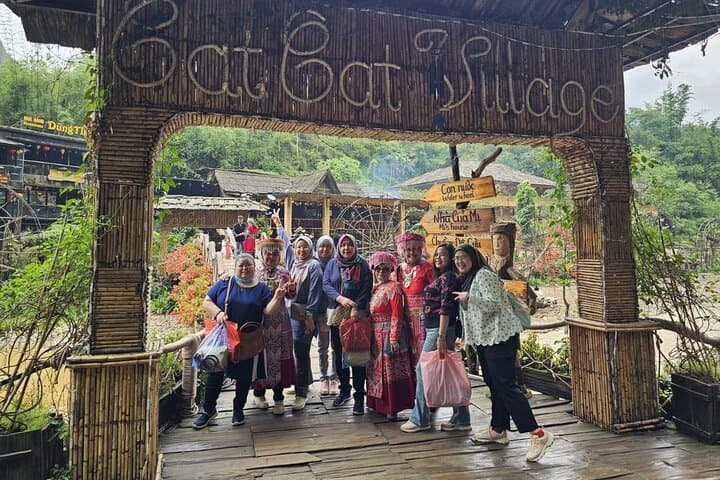
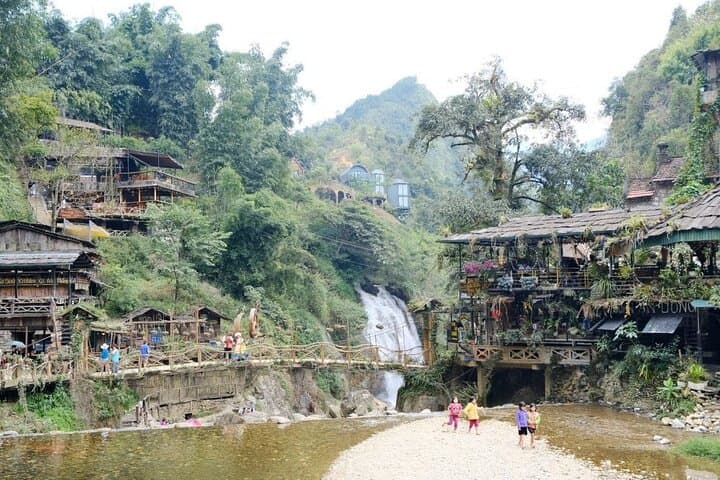
You step off the paved road and the valley takes over: terraced rice slopes tilt like stacked steps, a wooden suspension bridge creaks with steady patience, and the air carries the sharp green scent of wet earth.
You step off the paved road and the valley takes over: terraced rice slopes tilt like stacked steps, a wooden suspension bridge creaks with steady patience, and the air carries the sharp green scent of wet earth.
This half-day walk drops from Sapa town into the Muong Hoa Valley toward Cát Cát Village, a Black H'mong settlement formed along a mountain stream. Geologically, the valley is carved from rugged limestone and metamorphosed substrates, creating narrow gullies and waterfalls such as Tiên Sa where seasonal runoff gathers into a cool pool. Culturally, Cát Cát developed as a textile and metalwork hub; local artisans still dye, weave, and hammer silver using techniques passed through generations.
Expect an easy, predominantly downhill route with stone paths, wooden steps, and short stair sections. Key sights include traditional stilt houses, waterwheels that still turn to grind grain, and craft workshops where weaving and silver-smithing are demonstrated. The guide will interpret local customs and point out agricultural practices on the terraces.
Practical guidance: leave early to avoid mid-day crowds and rain; waterproof shoes with good traction are advisable, and a light daypack for water and camera keeps you nimble. The walk suits most fitness levels but includes uneven terrain and some short climbs returning to town. Respect private homesteads, ask before photographing people, and carry cash for small purchases at workshops and cafés.