THE ADVENTURE COLLECTIVE® · Independent discovery and booking for outdoor travel

A compact, private half-day that threads together Cascais’ coastal highlights—Boca do Inferno, Praia do Guincho, Farol de Santa Marta and the historic center—perfect for travelers short on time who want a scenic, informative introduction to Portugal’s Atlantic edge.
A compact, private half-day that threads together Cascais’ coastal highlights—Boca do Inferno, Praia do Guincho, Farol de Santa Marta and the historic center—perfect for travelers short on time who want a scenic, informative introduction to Portugal’s Atlantic edge.
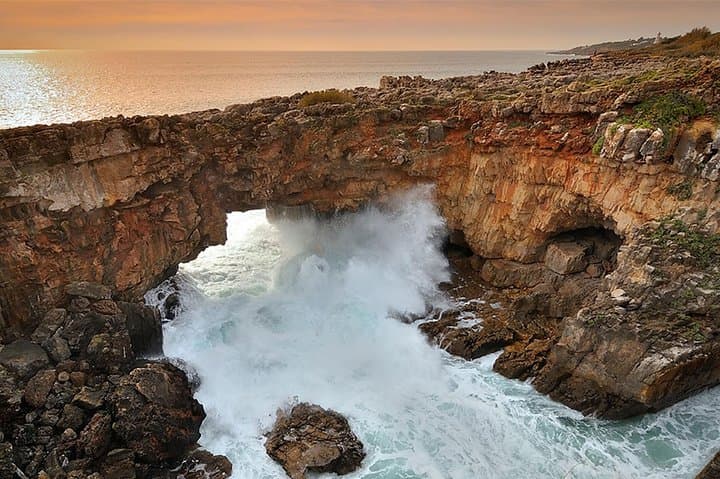
The van eases off Avenida Marginal and the Atlantic opens like a second city—gray-blue, restless, and claiming the horizon. On a half-day out from Lisbon, the Mini Tour Cascais compresses coastline, history and high wind into four focused hours. Drivers thread past marina boats and tiled façades; guides point to a lighthouse, a casino roofline, then to a jagged cut in the cliffs where the sea keeps one eye on the town and the other on anyone brave enough to watch it work: Boca do Inferno.
Verified experiences and guided adventures in the surrounding area.
Operated by MY TOURS PORTUGAL · Cascais, Lisbon
The van eases off Avenida Marginal and the Atlantic opens like a second city—gray-blue, restless, and claiming the horizon. On a half-day out from Lisbon, the Mini Tour Cascais compresses coastline, history and high wind into four focused hours. Drivers thread past marina boats and tiled façades; guides point to a lighthouse, a casino roofline, then to a jagged cut in the cliffs where the sea keeps one eye on the town and the other on anyone brave enough to watch it work: Boca do Inferno.
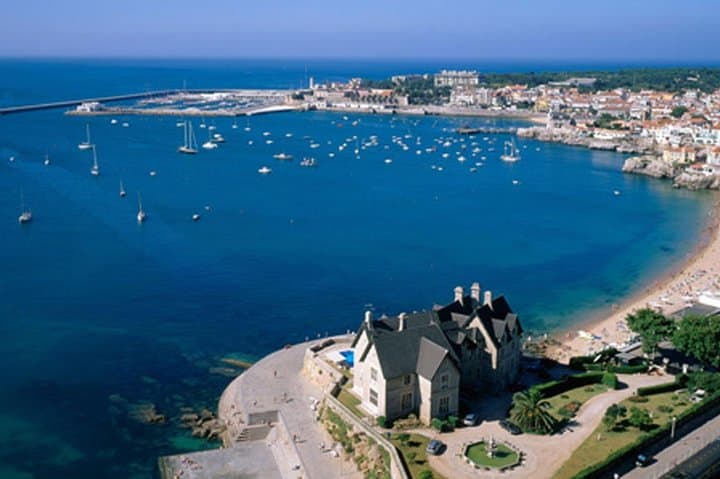
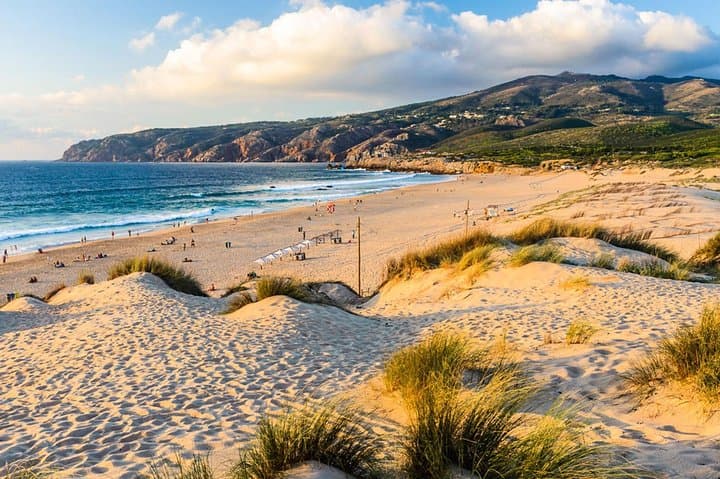
Cascais began as a fishing hamlet and later became a royal playground in the 19th century; its quay and fortifications—Forte da Cidadela—still mark that leap from working port to weekend refuge. Geologically the coast is young and loud: sedimentary cliffs of sandstones and marls give way to the wind-tossed dune systems at Praia do Guincho, where Atlantic swell and northerly winds produce world-class conditions for surfers and windsurfers. Estoril’s casino, visible from the shore, has its own chapter—an interwar-era magnet for exiles and spies—placing a surprising cosmopolitan footnote on this maritime landscape.
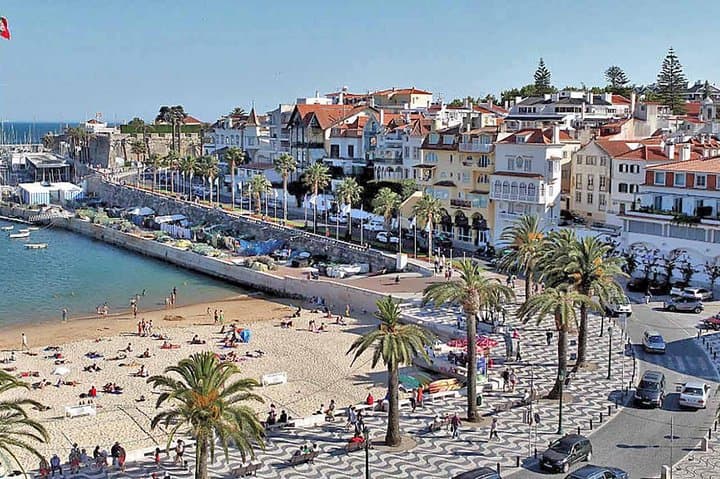
On the tour you’ll move at the coast’s pace: short stops for photos, a slow stroll along the waterfront, a cliff-top look at the blowholes where the ocean forces air and water through the rock. Guides often include a Santini gelato break in the old town—local fuel for people-watching on cobbled lanes—and a drive-by of the Farol de Santa Marta, whose white tower keeps a steady eye on passing ships.
Practical note: the route covers roughly 30–40 km from central Lisbon, mostly along a scenic coastal road, and the tour is private with hotel pickup options. Wear closed shoes for the cliff paths at Boca do Inferno and a windproof jacket for Guincho; gusts can arrive suddenly and insist you pay attention. If you want calmer water or a beach swim, choose the town beaches rather than Guincho—the latter is for people who want the wind to move them.
Timing matters: mornings bring cleaner air and easier parking in the historic center; late afternoons paint the cliffs golden but can be breezier. The operator provides air-conditioned transport and onboard Wi‑Fi, and they can adapt the itinerary if certain monuments are closed. For photographers, aim for the low sun on the western cliffs and capture the town’s pastel roofs framed by the restless Atlantic. For a fuller dive into the region, combine this half-day with Sintra on another day—Cascais is both a coastal primer and an elegant complement to the inland palaces.
easy.
4 hours.
Suitable for most fitness levels; involves short walks and standing at viewpoints
This private mini tour lasts about four hours and typically departs mid-morning or early afternoon.
Pickup can be arranged from many Lisbon hotels or the alternative meeting point at Mercado da Ribeira/Time Out Market.
Guincho is popular with surfers due to strong winds and currents; swimming is possible at calmer town beaches but check local advisories before entering the water.
This tour includes guided stops and transportation; specific monument entry fees are usually not included—check with the operator if you want to enter museums or palaces.
Yes—infant seats are available for children aged 5–12 per the provider’s vehicle policy; younger children may have restrictions—confirm when booking.
Some monuments may be closed on certain days (notably Mondays); guides will adapt the itinerary and suggest alternatives when necessary.
Cascais evolved from a fishing village into a royal retreat in the 19th century; its fort remains a physical reminder of coastal defense and later leisure culture.
Coastal erosion and dune preservation are active concerns—stay on marked paths at Guincho and avoid trampling dune vegetation to protect fragile habitats.
MY TOURS PORTUGAL operates guided outdoor trips and adventures with an emphasis on safety, stewardship, and memorable experiences.
The van eases off Avenida Marginal and the Atlantic opens like a second city—gray-blue, restless, and claiming the horizon. On a half-day out from Lisbon, the Mini Tour Cascais compresses coastline, history and high wind into four focused hours. Drivers thread past marina boats and tiled façades; guides point to a lighthouse, a casino roofline, then to a jagged cut in the cliffs where the sea keeps one eye on the town and the other on anyone brave enough to watch it work: Boca do Inferno.
The van eases off Avenida Marginal and the Atlantic opens like a second city—gray-blue, restless, and claiming the horizon. On a half-day out from Lisbon, the Mini Tour Cascais compresses coastline, history and high wind into four focused hours. Drivers thread past marina boats and tiled façades; guides point to a lighthouse, a casino roofline, then to a jagged cut in the cliffs where the sea keeps one eye on the town and the other on anyone brave enough to watch it work: Boca do Inferno.
Cascais began as a fishing hamlet and later became a royal playground in the 19th century; its quay and fortifications—Forte da Cidadela—still mark that leap from working port to weekend refuge. Geologically the coast is young and loud: sedimentary cliffs of sandstones and marls give way to the wind-tossed dune systems at Praia do Guincho, where Atlantic swell and northerly winds produce world-class conditions for surfers and windsurfers. Estoril’s casino, visible from the shore, has its own chapter—an interwar-era magnet for exiles and spies—placing a surprising cosmopolitan footnote on this maritime landscape.
On the tour you’ll move at the coast’s pace: short stops for photos, a slow stroll along the waterfront, a cliff-top look at the blowholes where the ocean forces air and water through the rock. Guides often include a Santini gelato break in the old town—local fuel for people-watching on cobbled lanes—and a drive-by of the Farol de Santa Marta, whose white tower keeps a steady eye on passing ships.
Practical note: the route covers roughly 30–40 km from central Lisbon, mostly along a scenic coastal road, and the tour is private with hotel pickup options. Wear closed shoes for the cliff paths at Boca do Inferno and a windproof jacket for Guincho; gusts can arrive suddenly and insist you pay attention. If you want calmer water or a beach swim, choose the town beaches rather than Guincho—the latter is for people who want the wind to move them.
Timing matters: mornings bring cleaner air and easier parking in the historic center; late afternoons paint the cliffs golden but can be breezier. The operator provides air-conditioned transport and onboard Wi‑Fi, and they can adapt the itinerary if certain monuments are closed. For photographers, aim for the low sun on the western cliffs and capture the town’s pastel roofs framed by the restless Atlantic. For a fuller dive into the region, combine this half-day with Sintra on another day—Cascais is both a coastal primer and an elegant complement to the inland palaces.