THE ADVENTURE COLLECTIVE® · Independent discovery and booking for outdoor travel

Spend a focused half-day exploring Casablanca’s highlights: the ocean-edge Hassan II Mosque, the French-influenced Habous Quarter, and lively Corniche. This private tour includes mosque admission and a bilingual driver, ideal for first-time visitors wanting concentrated cultural and architectural insight.
Spend a focused half-day exploring Casablanca’s highlights: the ocean-edge Hassan II Mosque, the French-influenced Habous Quarter, and lively Corniche. This private tour includes mosque admission and a bilingual driver, ideal for first-time visitors wanting concentrated cultural and architectural insight.
You arrive at the Hassan II Mosque with the Atlantic wind on your face and tilework flashing in the sun — the mosque’s minaret stands like a precise compass pointing out to sea. Inside, carved cedar, zellij mosaics and a floor as vast as a plaza give way to guided corridors where the architecture and ocean meet.
Verified experiences and guided adventures in the surrounding area.
Operated by Rayan Discovery S.A.R.L · Casablanca, Casablanca-Settat
You arrive at the Hassan II Mosque with the Atlantic wind on your face and tilework flashing in the sun — the mosque’s minaret stands like a precise compass pointing out to sea. Inside, carved cedar, zellij mosaics and a floor as vast as a plaza give way to guided corridors where the architecture and ocean meet.
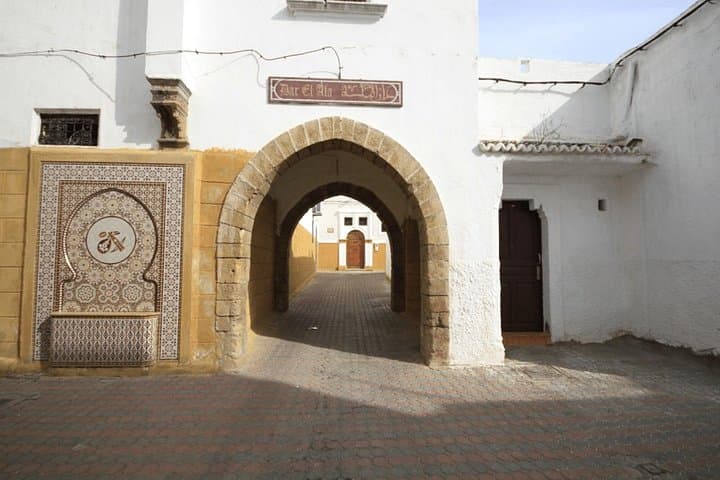
Built in the late 20th century and opened in 1993, the mosque is a modern monument on older ground: Casablanca grew from a fishing port into Morocco’s economic engine under French influence in the 20th century, and the Habous Quarter followed in the 1930s as an organized ‘new medina’ combining Moroccan craft traditions with planned streets.
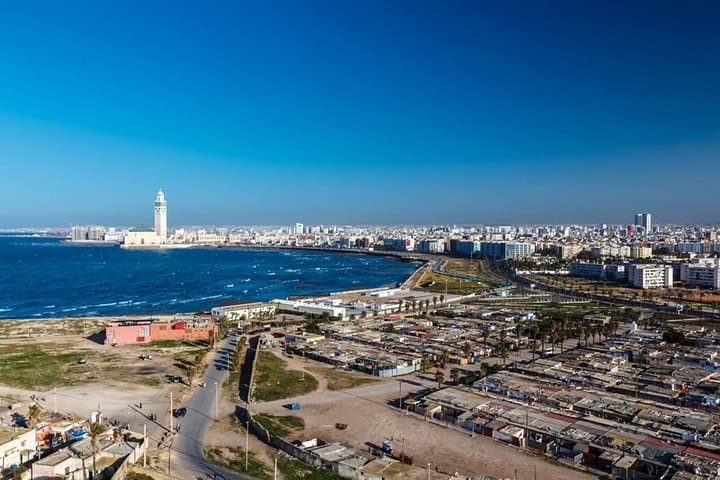
Geologically, Casablanca sits on coastal plains of Atlantic sands and limestone; the Corniche exposes the city’s relationship with the sea, where gulls wheel and currents dare you to look out beyond the breakers. Culturally, the city balances bustling markets, French-era squares and contemporary cafés — Rick’s Café and United Nations Square bookend traditional vendors in the Habous.
Practical guidance: the half-day private tour runs about 4–4.5 hours and includes mosque admission and bottled water. Dress modestly for the mosque (shoulders and knees covered), wear comfortable shoes for streets and occasional mosque steps, and plan morning or late afternoon to avoid midday heat and crowds. Bring a small pack, a camera with respectful restraint (no flash inside certain areas), and local currency for crafts or a quick café stop. The route is flat and suitable for most fitness levels, offering concentrated cultural value in a short window.
easy.
4–4.5 hours.
Light walking on flat city streets with some standing during guided stops; suitable for most fitness levels
Yes — mosque entrance is included on this tour and guided visits for non-Muslims are scheduled during the visit.
Pickup options are commonly offered; the booking asks for pickup point and arrival details to arrange transfers.
Yes — the provider notes stroller accessibility and infant seats are available, making it suitable for families.
A bilingual driver is provided; confirm language preference at booking to ensure guide availability.
Casablanca expanded under French protectorate planning in the early 20th century; the Hassan II Mosque, completed in 1993, was designed by Michel Pinseau and incorporates traditional Moroccan craft at large scale.
Support local artisans and avoid single-use plastics; respect religious sites by following dress and photography rules to lessen cultural impact.
Rayan Discovery S.A.R.L operates guided outdoor trips and adventures with an emphasis on safety, stewardship, and memorable experiences.
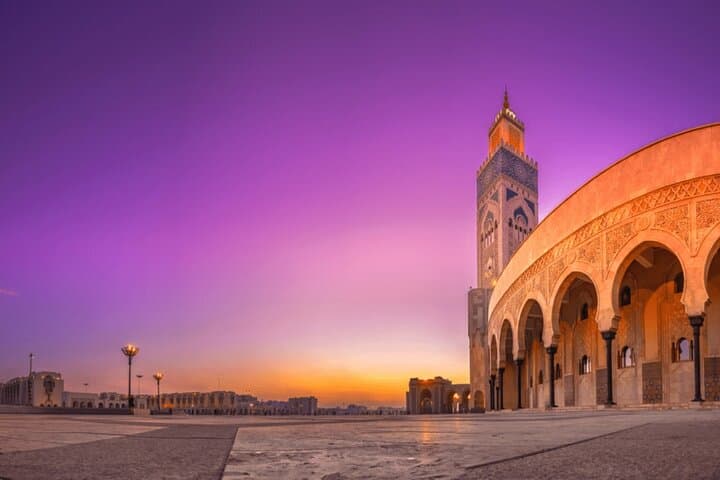
You arrive at the Hassan II Mosque with the Atlantic wind on your face and tilework flashing in the sun — the mosque’s minaret stands like a precise compass pointing out to sea. Inside, carved cedar, zellij mosaics and a floor as vast as a plaza give way to guided corridors where the architecture and ocean meet.
You arrive at the Hassan II Mosque with the Atlantic wind on your face and tilework flashing in the sun — the mosque’s minaret stands like a precise compass pointing out to sea. Inside, carved cedar, zellij mosaics and a floor as vast as a plaza give way to guided corridors where the architecture and ocean meet.
Built in the late 20th century and opened in 1993, the mosque is a modern monument on older ground: Casablanca grew from a fishing port into Morocco’s economic engine under French influence in the 20th century, and the Habous Quarter followed in the 1930s as an organized ‘new medina’ combining Moroccan craft traditions with planned streets.
Geologically, Casablanca sits on coastal plains of Atlantic sands and limestone; the Corniche exposes the city’s relationship with the sea, where gulls wheel and currents dare you to look out beyond the breakers. Culturally, the city balances bustling markets, French-era squares and contemporary cafés — Rick’s Café and United Nations Square bookend traditional vendors in the Habous.
Practical guidance: the half-day private tour runs about 4–4.5 hours and includes mosque admission and bottled water. Dress modestly for the mosque (shoulders and knees covered), wear comfortable shoes for streets and occasional mosque steps, and plan morning or late afternoon to avoid midday heat and crowds. Bring a small pack, a camera with respectful restraint (no flash inside certain areas), and local currency for crafts or a quick café stop. The route is flat and suitable for most fitness levels, offering concentrated cultural value in a short window.