THE ADVENTURE COLLECTIVE® · Independent discovery and booking for outdoor travel

Drive Chapman's Peak, stand at the Cape of Good Hope and meet the African penguins at Boulders Beach in a five-hour private tour from Cape Town. This half-day route pairs dramatic coastal geology with accessible wildlife viewing and compact cultural history.
Drive Chapman's Peak, stand at the Cape of Good Hope and meet the African penguins at Boulders Beach in a five-hour private tour from Cape Town. This half-day route pairs dramatic coastal geology with accessible wildlife viewing and compact cultural history.
The morning begins with the engine’s low hum and the Atlantic pressing against the passenger window. As the vehicle slips onto Chapman's Peak Drive, the road tightens against the cliff and the ocean dares you to look away. Spray lances up from the churning water below while granite shoulders rise like a natural amphitheater — a compact, cinematic stretch of coastline where every lookout asks for a pause and a photograph.
Verified experiences and guided adventures in the surrounding area.
Operated by iGoAfrika Tours · Cape Town, Western Cape
The morning begins with the engine’s low hum and the Atlantic pressing against the passenger window. As the vehicle slips onto Chapman's Peak Drive, the road tightens against the cliff and the ocean dares you to look away. Spray lances up from the churning water below while granite shoulders rise like a natural amphitheater — a compact, cinematic stretch of coastline where every lookout asks for a pause and a photograph.
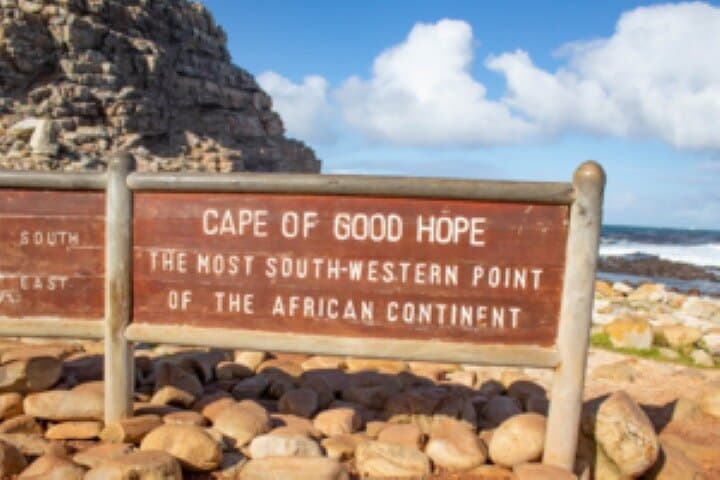
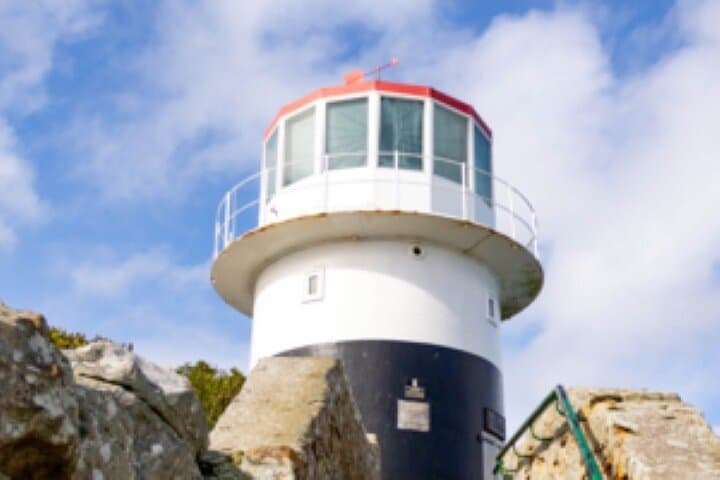
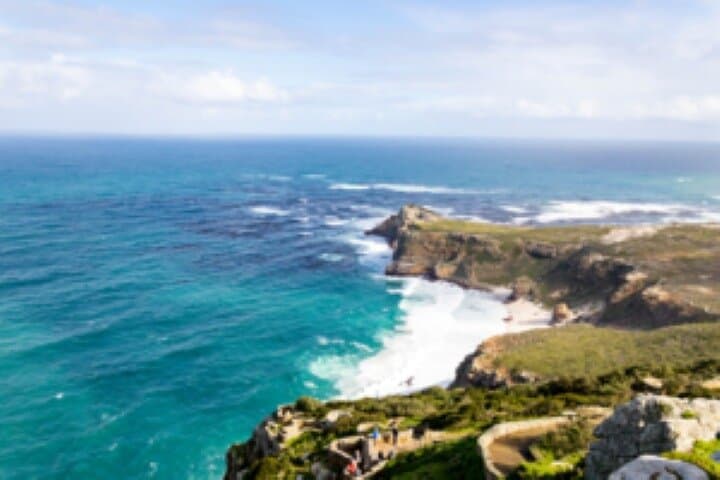
This half-day tour moves with purpose: Chapman's Peak’s engineered switchbacks give way to the wind-scoured promontory of the Cape of Good Hope and the broader sweep of Cape Point Nature Reserve. The lighthouse at Cape Point stands as a practical landmark and a reminder of the peninsula’s maritime past — a coastline that lured and wrecked ships in equal measure, shaping local settlement patterns from early Khoikhoi camps to Dutch East India Company resupply stations and the Royal Navy’s Simon’s Town base.
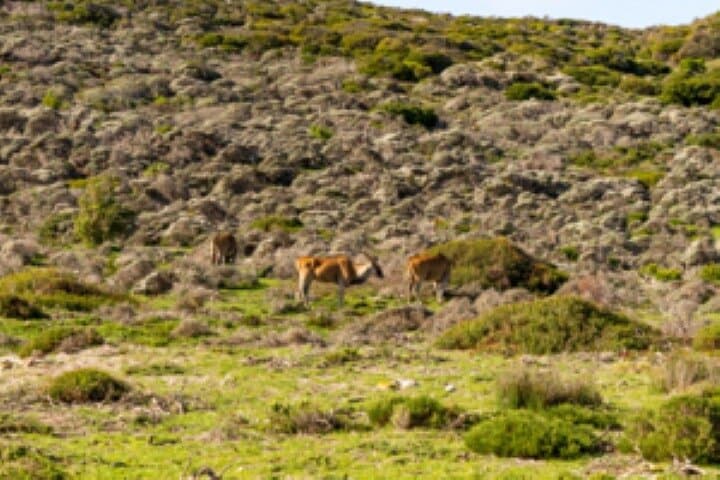
Geology is visible here at eye level. Ancient Table Mountain sandstone meets younger granite intrusions, and the fynbos — the region’s scrubby, fire-adapted shrubland — carpets slopes in seasonal color. The landscape is not passive; winds sculpt vegetation and currents govern the kelp beds that sustain fish and the Cape fur seals clustered on offshore rocks.
Culturally, the route threads fishing villages and naval heritage. Simon’s Town still carries the cadence of its seafaring life, while Boulders Beach offers a gentler draw: a sheltered cove where African penguins waddle between turquoise pools and rounded granite boulders. The penguin colony is easy to love and fragile — conservation measures like boardwalks and regulated viewing distances help protect it.
Practical guidance: the tour lasts about five hours with stopovers at Chapman's Peak, Cape Point/Cape of Good Hope, Cape Point Nature Reserve and Boulders Beach. Expect short walks on uneven, often rocky terrain and several stair sections at Cape Point; comfortable walking shoes with good grip are recommended. Bring sun protection and a windproof layer — coastal weather changes fast — and a refillable water bottle, as access at viewpoints is limited. Entrance to Table Mountain National Park (Cape Point/Cape of Good Hope) is typically paid at the gate; the tour includes bottled water, toll fees and an air-conditioned vehicle and offers hotel pickup in Cape Town.
Timing matters: mornings and late afternoons deliver softer light and fewer tour buses; mid-morning can be busiest at Boulders Beach. Be prepared for wildlife encounters — keep a respectful distance from penguins and baboons, and follow your guide’s instructions. For photographers, the cliffs, lighthouse and penguin boardwalks provide distinct compositions in a compact itinerary. In five hours the peninsula compresses centuries of maritime history, geology and wildlife into a single, sharply focused introduction.
moderate.
4–5 hours.
Suitable for most fitness levels; requires short walks on uneven terrain and some stair climbing.
The tour is approximately five hours, with scheduled stops at Chapman's Peak, Cape Point/Cape of Good Hope, Cape Point Nature Reserve and Boulders Beach.
The tour description notes that admission to attractions like Cape Point may not be included; expect to pay national park entrance fees at the gate unless otherwise stated.
Boulders has sheltered coves but water can be cold and currents change; swimming is permitted in designated areas, but many visitors focus on viewing penguins from the boardwalk.
African penguins are resident at Boulders; sightings are very likely but not guaranteed, and viewing is subject to conservation rules and seasonal movement.
Yes — the route is family-friendly, but parents should supervise children around boardwalks and any cliff edges, and be cautious of baboons that approach for food.
Yes — hotel pickup in Cape Town is provided, with the guide meeting you at reception; pickup times are typically 15 minutes before departure.
The Cape Peninsula has been a maritime crossroads for centuries — from indigenous Khoikhoi use to European rounding points during the Age of Sail, and later a strategic naval base in Simon’s Town.
Table Mountain National Park and local conservation groups manage penguin viewing and habitat restoration; visitors should stick to boardwalks and avoid feeding wildlife to minimize disturbance.
iGoAfrika Tours operates guided outdoor trips and adventures with an emphasis on safety, stewardship, and memorable experiences.
The morning begins with the engine’s low hum and the Atlantic pressing against the passenger window. As the vehicle slips onto Chapman's Peak Drive, the road tightens against the cliff and the ocean dares you to look away. Spray lances up from the churning water below while granite shoulders rise like a natural amphitheater — a compact, cinematic stretch of coastline where every lookout asks for a pause and a photograph.
The morning begins with the engine’s low hum and the Atlantic pressing against the passenger window. As the vehicle slips onto Chapman's Peak Drive, the road tightens against the cliff and the ocean dares you to look away. Spray lances up from the churning water below while granite shoulders rise like a natural amphitheater — a compact, cinematic stretch of coastline where every lookout asks for a pause and a photograph.
This half-day tour moves with purpose: Chapman's Peak’s engineered switchbacks give way to the wind-scoured promontory of the Cape of Good Hope and the broader sweep of Cape Point Nature Reserve. The lighthouse at Cape Point stands as a practical landmark and a reminder of the peninsula’s maritime past — a coastline that lured and wrecked ships in equal measure, shaping local settlement patterns from early Khoikhoi camps to Dutch East India Company resupply stations and the Royal Navy’s Simon’s Town base.
Geology is visible here at eye level. Ancient Table Mountain sandstone meets younger granite intrusions, and the fynbos — the region’s scrubby, fire-adapted shrubland — carpets slopes in seasonal color. The landscape is not passive; winds sculpt vegetation and currents govern the kelp beds that sustain fish and the Cape fur seals clustered on offshore rocks.
Culturally, the route threads fishing villages and naval heritage. Simon’s Town still carries the cadence of its seafaring life, while Boulders Beach offers a gentler draw: a sheltered cove where African penguins waddle between turquoise pools and rounded granite boulders. The penguin colony is easy to love and fragile — conservation measures like boardwalks and regulated viewing distances help protect it.
Practical guidance: the tour lasts about five hours with stopovers at Chapman's Peak, Cape Point/Cape of Good Hope, Cape Point Nature Reserve and Boulders Beach. Expect short walks on uneven, often rocky terrain and several stair sections at Cape Point; comfortable walking shoes with good grip are recommended. Bring sun protection and a windproof layer — coastal weather changes fast — and a refillable water bottle, as access at viewpoints is limited. Entrance to Table Mountain National Park (Cape Point/Cape of Good Hope) is typically paid at the gate; the tour includes bottled water, toll fees and an air-conditioned vehicle and offers hotel pickup in Cape Town.
Timing matters: mornings and late afternoons deliver softer light and fewer tour buses; mid-morning can be busiest at Boulders Beach. Be prepared for wildlife encounters — keep a respectful distance from penguins and baboons, and follow your guide’s instructions. For photographers, the cliffs, lighthouse and penguin boardwalks provide distinct compositions in a compact itinerary. In five hours the peninsula compresses centuries of maritime history, geology and wildlife into a single, sharply focused introduction.