THE ADVENTURE COLLECTIVE® · Independent discovery and booking for outdoor travel

Drive the coastal spine from Muizenberg’s colorful beach huts to Cape Point’s wild cliffs, then watch African penguins inhabit sheltered coves at Boulders Beach. This compact half-day tour packs geology, maritime history, and approachable wildlife viewing into a 4–5 hour outing.
Drive the coastal spine from Muizenberg’s colorful beach huts to Cape Point’s wild cliffs, then watch African penguins inhabit sheltered coves at Boulders Beach. This compact half-day tour packs geology, maritime history, and approachable wildlife viewing into a 4–5 hour outing.
The road unspools out of Cape Town, salt and wind arriving before you do. In under an hour the ocean changes character — from the long blue sweep at Muizenberg, where surfers work the incoming sets past the painted beach huts, to the sheltered coves of Simon’s Town and the granite promontory of Cape Point. The penguins at Boulders Beach waddle with blunt curiosity along boardwalks as breakers argue with the shore.
Verified experiences and guided adventures in the surrounding area.
Operated by CHRISHANA TRAVELS ANDTOURS · Cape Town, Western Cape
The road unspools out of Cape Town, salt and wind arriving before you do. In under an hour the ocean changes character — from the long blue sweep at Muizenberg, where surfers work the incoming sets past the painted beach huts, to the sheltered coves of Simon’s Town and the granite promontory of Cape Point. The penguins at Boulders Beach waddle with blunt curiosity along boardwalks as breakers argue with the shore.
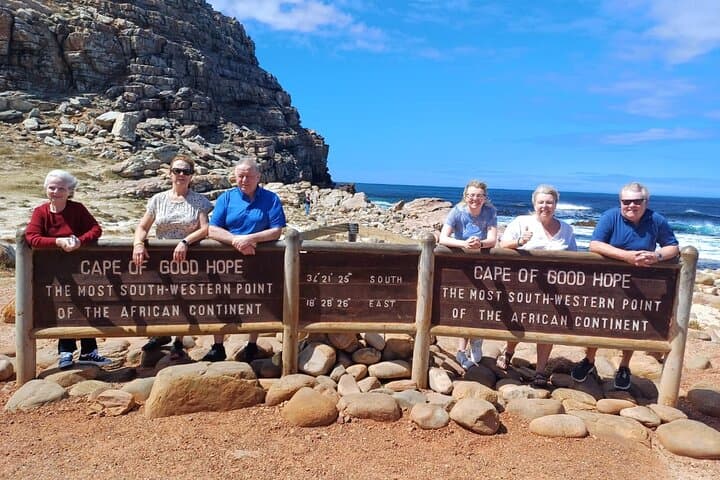
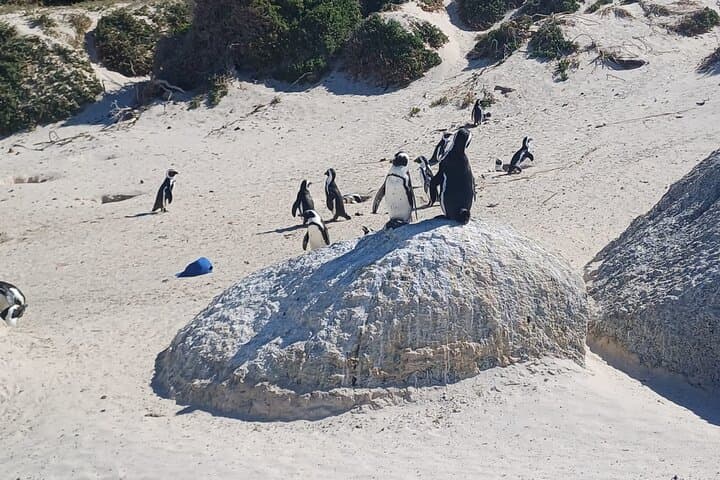
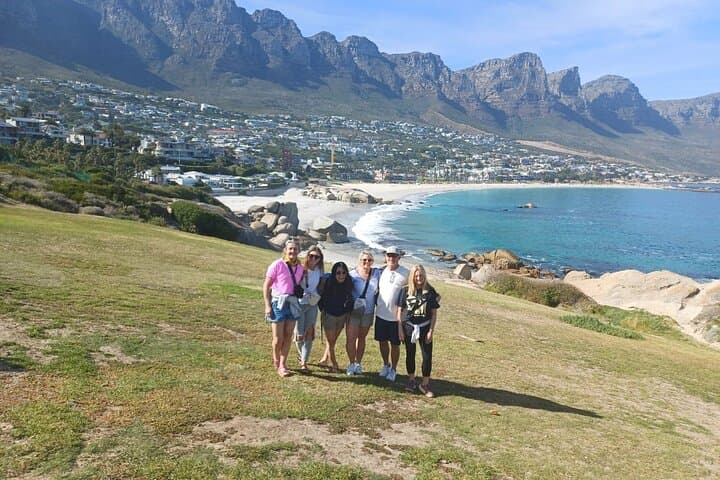
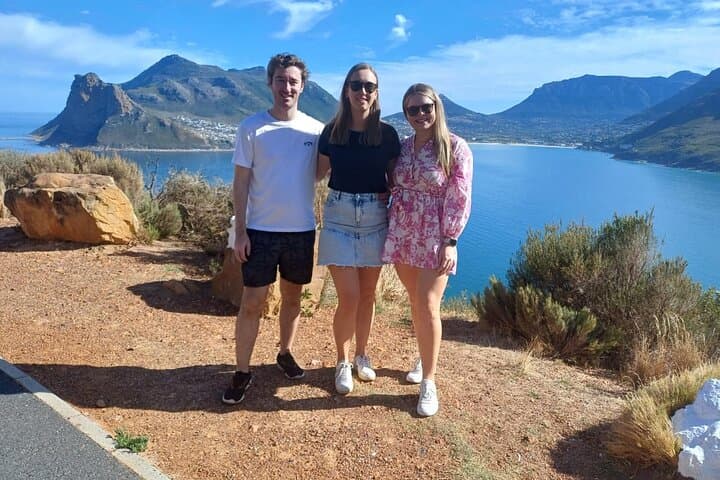
This half-day circuit visits Muizenberg’s colorful beach huts, Boulders Beach (home to an established colony of African (jackass) penguins), and the Cape of Good Hope/Cape Point within Table Mountain National Park. Geologically, the Cape Peninsula is late-Precambrian to Paleozoic granite and sandstone sculpted by wind and wave; cliffs here can be steep and exposed, weathered into dramatic headlands. The area carries maritime history — from early Dutch and British ships to lighthouses that guided centuries of sailors — and is culturally tied to nearby fishing villages and Simon’s Town’s naval past.
Practically: plan for roughly 4–5 hours including driving and short walks on boardwalks, sand, and paved viewpoints. Expect wind, sun, and sudden weather shifts; bring sun protection, a windbreaker, and comfortable shoes for sandy stretches. Park/conservation fees may apply at Table Mountain National Park. The tour is accessible for many travelers — drivers and guides typically provide bottled water and accessible transport options — but check mobility needs ahead. Time your visit for morning or late afternoon to avoid the busiest crowds and see penguins at their most active.
easy.
4–5 hours.
Suitable for most fitness levels; requires short walks on sand and boardwalks and the ability to step on/off a vehicle.
Yes — the African penguin colony at Boulders Beach is wild; viewing is from boardwalks and designated paths to protect the birds and their habitat.
Table Mountain National Park manages Cape Point and Boulders; a conservation/park fee often applies — check current SANParks rates before you go.
Many operators and sites offer wheelchair-accessible transport and boardwalks, but accessibility can vary by exact viewpoint; confirm specifics with the tour provider when booking.
Most half-day tours provide bottled water but not meals; plan to bring snacks or allow time for a short café stop in Simon’s Town if needed.
The Cape Peninsula has long maritime history — early European sailors mapped the point in the 16th–18th centuries and lighthouses mark critical navigation points.
The African penguin population has declined; staying on boardwalks, not feeding wildlife, and following park rules helps protect breeding colonies and coastal habitats.
CHRISHANA TRAVELS ANDTOURS operates guided outdoor trips and adventures with an emphasis on safety, stewardship, and memorable experiences.
The road unspools out of Cape Town, salt and wind arriving before you do. In under an hour the ocean changes character — from the long blue sweep at Muizenberg, where surfers work the incoming sets past the painted beach huts, to the sheltered coves of Simon’s Town and the granite promontory of Cape Point. The penguins at Boulders Beach waddle with blunt curiosity along boardwalks as breakers argue with the shore.
The road unspools out of Cape Town, salt and wind arriving before you do. In under an hour the ocean changes character — from the long blue sweep at Muizenberg, where surfers work the incoming sets past the painted beach huts, to the sheltered coves of Simon’s Town and the granite promontory of Cape Point. The penguins at Boulders Beach waddle with blunt curiosity along boardwalks as breakers argue with the shore.
This half-day circuit visits Muizenberg’s colorful beach huts, Boulders Beach (home to an established colony of African (jackass) penguins), and the Cape of Good Hope/Cape Point within Table Mountain National Park. Geologically, the Cape Peninsula is late-Precambrian to Paleozoic granite and sandstone sculpted by wind and wave; cliffs here can be steep and exposed, weathered into dramatic headlands. The area carries maritime history — from early Dutch and British ships to lighthouses that guided centuries of sailors — and is culturally tied to nearby fishing villages and Simon’s Town’s naval past.
Practically: plan for roughly 4–5 hours including driving and short walks on boardwalks, sand, and paved viewpoints. Expect wind, sun, and sudden weather shifts; bring sun protection, a windbreaker, and comfortable shoes for sandy stretches. Park/conservation fees may apply at Table Mountain National Park. The tour is accessible for many travelers — drivers and guides typically provide bottled water and accessible transport options — but check mobility needs ahead. Time your visit for morning or late afternoon to avoid the busiest crowds and see penguins at their most active.