THE ADVENTURE COLLECTIVE® · Independent discovery and booking for outdoor travel

Mount a camel and circle the Giza Plateau with views of the Great Pyramid, Khafre and the Sphinx. This half-day guided ride combines accessible riding with local stories and photo stops at Egypt’s most iconic monuments.
Mount a camel and circle the Giza Plateau with views of the Great Pyramid, Khafre and the Sphinx. This half-day guided ride combines accessible riding with local stories and photo stops at Egypt’s most iconic monuments.
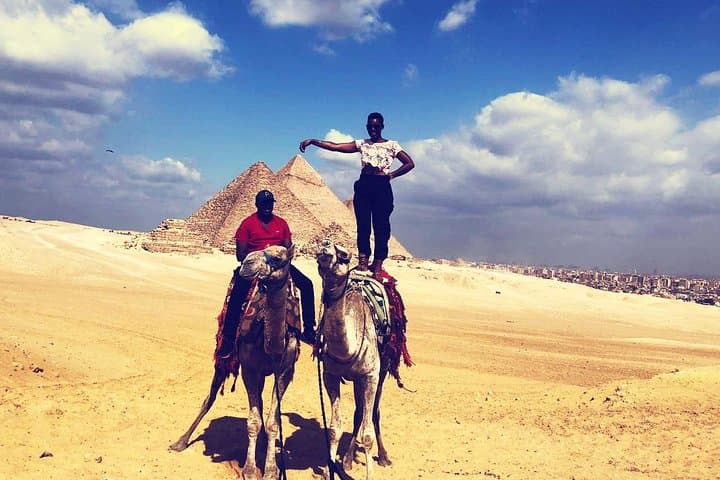
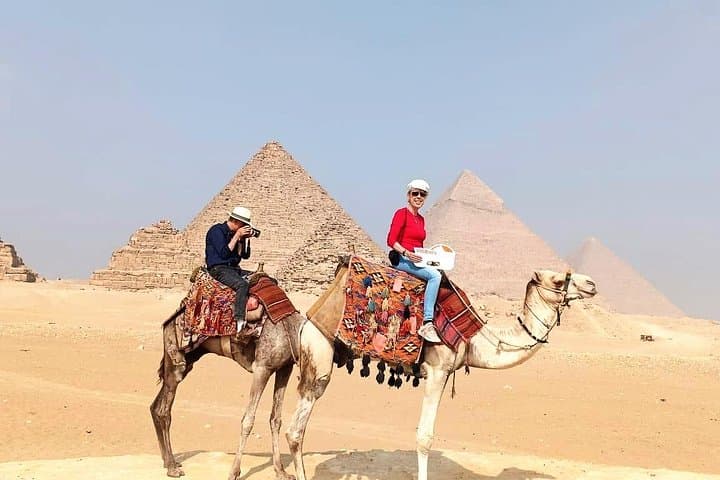
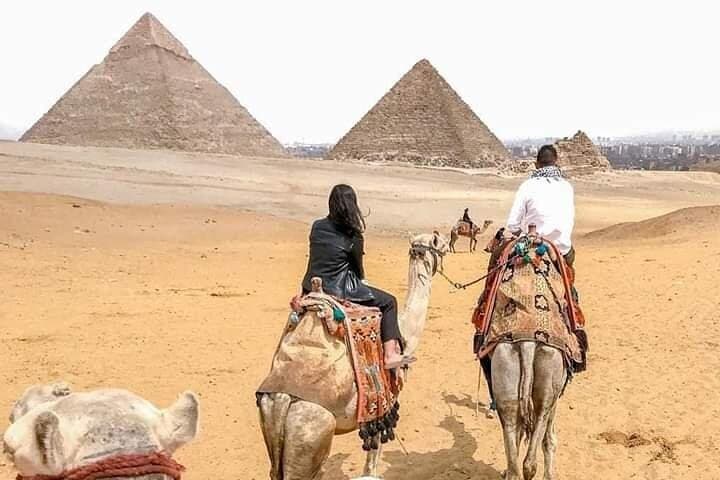
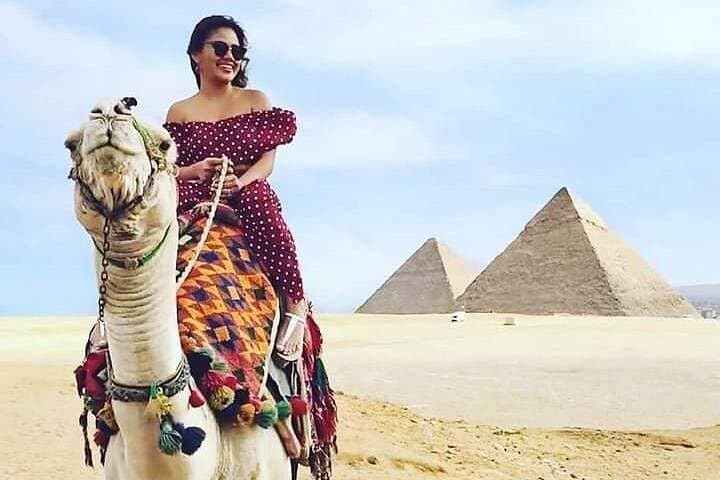
A low, rhythmic sway carries you across ochre sand as the pyramids loom like weathered stone giants. The camel’s shoulders rise and fall beneath a sun that steals color from the desert; at the next turn the Great Pyramid, Khafre’s shadowed terraces and the Sphinx frame a panorama older than history books. Your guide steers a path that keeps the monuments in sight while navigating painted dunes and compacted caravan tracks.
Verified experiences and guided adventures in the surrounding area.
Operated by Visitors Egypt Tours · Giza, Giza Governorate
A low, rhythmic sway carries you across ochre sand as the pyramids loom like weathered stone giants. The camel’s shoulders rise and fall beneath a sun that steals color from the desert; at the next turn the Great Pyramid, Khafre’s shadowed terraces and the Sphinx frame a panorama older than history books. Your guide steers a path that keeps the monuments in sight while navigating painted dunes and compacted caravan tracks.
These monuments sit on the Giza Plateau, a limestone outcrop capped by quarried blocks that formed the pyramids’ core. Built roughly 4,500 years ago, the pyramids and nearby Valley Temple speak to ancient funerary practices and sophisticated quarrying — the same bedrock that now wears wind-polished ripples. Modern Bedouin and Egyptian guides often share local stories and lesser-known details about pharaonic life and the site’s evolving use through Ottoman and colonial eras.
Practically, expect a half-day excursion with air-conditioned pickup from central Cairo or Giza, a mounted loop around key monuments, and time for photos at set viewpoints. Camels ride high and require a steady seat; guides handle saddling and brief you on mounting and dismounting. The tour is suitable for most fitness levels but is not recommended for guests with spinal problems. Bring sun protection, a small daypack, and a camera with a strap — sand and wind can be persistent. There’s usually an option to swap to a horse if preferred, and tipping local guides is customary. Plan for 4–5 hours door-to-door, midday heat in summer, and softer light for photography near dawn or late afternoon.
easy.
5 hours (door-to-door; ~2 hours riding).
Suitable for most fitness levels; must be able to mount and sit on a camel for up to 90 minutes with short breaks
The full booking is about 4–5 hours including transfers; expect roughly 60–90 minutes mounted during the loop around the plateaus and photo stops.
The tour is family-friendly but not recommended for those with spinal injuries; young children may require an adult during mounting and dismounting.
Yes — most viewpoints allow photos; follow guide instructions and avoid restricted archaeological areas where access is prohibited.
Yes, many operators offer a horse alternative if you prefer — specify at booking or request it when your guide meets you.
The Giza Plateau holds pyramids built c. 2560–2490 BCE and the Sphinx, carved from the plateau’s limestone and tied to funerary complexes for Old Kingdom pharaohs.
High visitor numbers stress fragile sandstone and archaeological surfaces; stick to guide-led paths, avoid climbing monuments, and follow local waste-reduction practices.
Visitors Egypt Tours operates guided outdoor trips and adventures with an emphasis on safety, stewardship, and memorable experiences.
A low, rhythmic sway carries you across ochre sand as the pyramids loom like weathered stone giants. The camel’s shoulders rise and fall beneath a sun that steals color from the desert; at the next turn the Great Pyramid, Khafre’s shadowed terraces and the Sphinx frame a panorama older than history books. Your guide steers a path that keeps the monuments in sight while navigating painted dunes and compacted caravan tracks.
A low, rhythmic sway carries you across ochre sand as the pyramids loom like weathered stone giants. The camel’s shoulders rise and fall beneath a sun that steals color from the desert; at the next turn the Great Pyramid, Khafre’s shadowed terraces and the Sphinx frame a panorama older than history books. Your guide steers a path that keeps the monuments in sight while navigating painted dunes and compacted caravan tracks.
These monuments sit on the Giza Plateau, a limestone outcrop capped by quarried blocks that formed the pyramids’ core. Built roughly 4,500 years ago, the pyramids and nearby Valley Temple speak to ancient funerary practices and sophisticated quarrying — the same bedrock that now wears wind-polished ripples. Modern Bedouin and Egyptian guides often share local stories and lesser-known details about pharaonic life and the site’s evolving use through Ottoman and colonial eras.
Practically, expect a half-day excursion with air-conditioned pickup from central Cairo or Giza, a mounted loop around key monuments, and time for photos at set viewpoints. Camels ride high and require a steady seat; guides handle saddling and brief you on mounting and dismounting. The tour is suitable for most fitness levels but is not recommended for guests with spinal problems. Bring sun protection, a small daypack, and a camera with a strap — sand and wind can be persistent. There’s usually an option to swap to a horse if preferred, and tipping local guides is customary. Plan for 4–5 hours door-to-door, midday heat in summer, and softer light for photography near dawn or late afternoon.