THE ADVENTURE COLLECTIVE® · Independent discovery and booking for outdoor travel

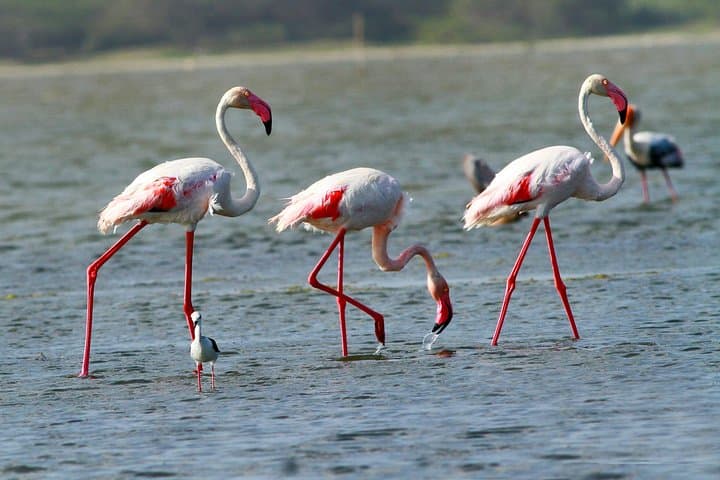
A coastal wetland safari focusing on migratory and resident water birds, Bundala offers dramatic flamingo flocks and opportunistic sightings of crocodiles and monitors. This half-day jeep tour from Hambantota is ideal for birdwatchers and wildlife photographers.
A coastal wetland safari focusing on migratory and resident water birds, Bundala offers dramatic flamingo flocks and opportunistic sightings of crocodiles and monitors. This half-day jeep tour from Hambantota is ideal for birdwatchers and wildlife photographers.
You arrive before the light softens, a jeep idling at the trailhead while salt-sweet wind moves across shallow lagoons. Morning here is measured in calls — high-pitched waders, the low rasp of waterfowl, and the distant slap of a crocodile slipping into shadow. The vehicle threads narrow tracks between reed beds and open flats; flamingos wheel like punctuation marks against a silver tide.
Verified experiences and guided adventures in the surrounding area.
Operated by Beyond Escapes · Hambantota, Southern Province
You arrive before the light softens, a jeep idling at the trailhead while salt-sweet wind moves across shallow lagoons. Morning here is measured in calls — high-pitched waders, the low rasp of waterfowl, and the distant slap of a crocodile slipping into shadow. The vehicle threads narrow tracks between reed beds and open flats; flamingos wheel like punctuation marks against a silver tide.
Bundala lies on Sri Lanka’s southern coast, a Ramsar-listed wetland where migratory birds funnel in from Siberia and Central Asia between October and March. Geologically the park is a mosaic of coastal lagoons, sand dunes and short-grass plains shaped by sea-level changes and seasonal monsoons. Culturally, the surrounding villages are tied to fishing and small-scale agriculture, and local guides often point out ancient fishing traps and salt pans along the edge of the reserve.
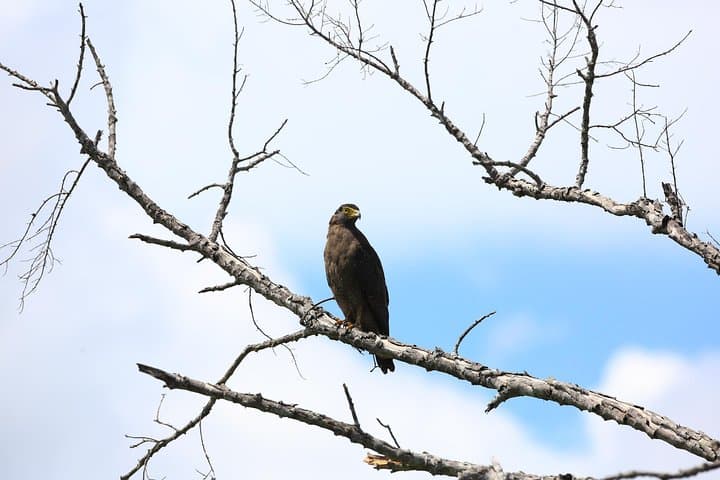
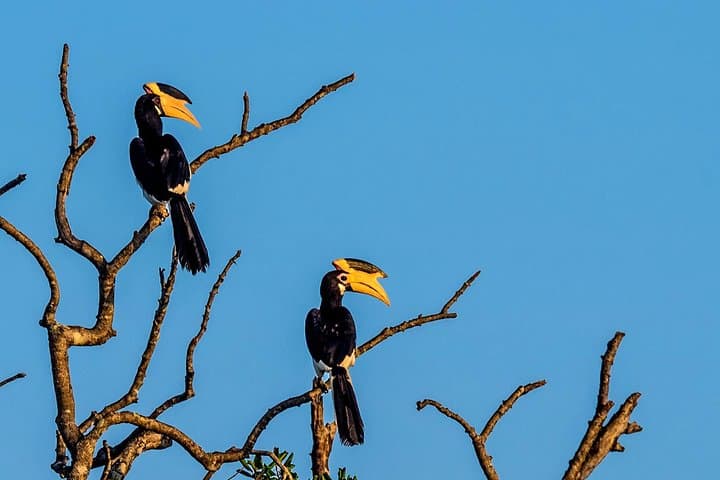
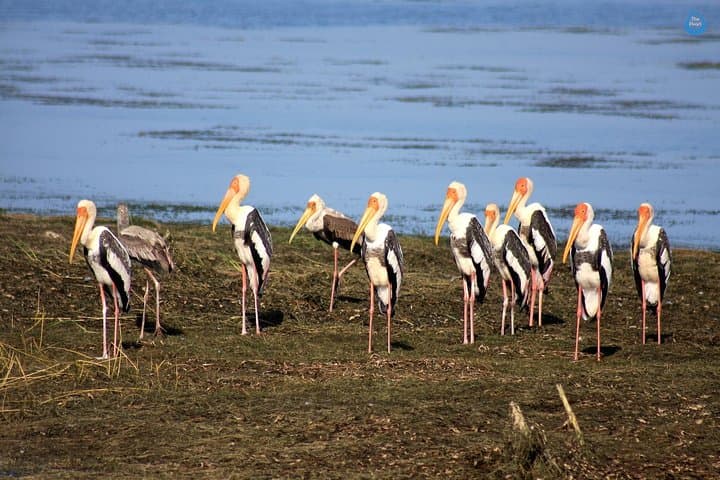
The half-day safari focuses on birdlife: greater flamingos, black-tailed godwits and a dense cast of shorebirds. Small mammals and reptiles — marsh crocodiles, water monitors, and the occasional sambar deer — appear around freshwater pools and mangrove fringes.
Practicalities: expect a 3–4 hour round trip from Hambantota with hotel pickup and drop-off; wear sturdy shoes, bring binoculars and sun protection, and carry water. The terrain is flat but exposed; early mornings are coolest and most productive for sightings. Respect posted boundaries, avoid feeding wildlife, and leave no trace — these wetlands depend on careful visitation to remain a magnet for birds and the people who come to watch them.
easy.
3–4 hours.
Suitable for travelers in average physical condition; minimal walking from the vehicle to observation points.
The tour runs approximately 3–4 hours (half day) including hotel pickup and drop-off from nearby towns.
Expect large numbers of water birds including greater flamingos and migratory shorebirds; occasional sightings include marsh crocodiles, water monitors and small ungulates.
Yes — children are welcome but must be accompanied by an adult and remain in the vehicle during game drives.
Light refreshments and bottled water are included; bring additional water and snacks if you prefer more.
Bundala was designated Sri Lanka’s first Ramsar wetland reserve and has long been important to coastal fishing communities.
Visitor numbers are managed to protect nesting and feeding areas; staying on designated routes and avoiding disturbance helps preserve the wetland’s value for migratory birds.
Beyond Escapes operates guided outdoor trips and adventures with an emphasis on safety, stewardship, and memorable experiences.
You arrive before the light softens, a jeep idling at the trailhead while salt-sweet wind moves across shallow lagoons. Morning here is measured in calls — high-pitched waders, the low rasp of waterfowl, and the distant slap of a crocodile slipping into shadow. The vehicle threads narrow tracks between reed beds and open flats; flamingos wheel like punctuation marks against a silver tide.
You arrive before the light softens, a jeep idling at the trailhead while salt-sweet wind moves across shallow lagoons. Morning here is measured in calls — high-pitched waders, the low rasp of waterfowl, and the distant slap of a crocodile slipping into shadow. The vehicle threads narrow tracks between reed beds and open flats; flamingos wheel like punctuation marks against a silver tide.
Bundala lies on Sri Lanka’s southern coast, a Ramsar-listed wetland where migratory birds funnel in from Siberia and Central Asia between October and March. Geologically the park is a mosaic of coastal lagoons, sand dunes and short-grass plains shaped by sea-level changes and seasonal monsoons. Culturally, the surrounding villages are tied to fishing and small-scale agriculture, and local guides often point out ancient fishing traps and salt pans along the edge of the reserve.
The half-day safari focuses on birdlife: greater flamingos, black-tailed godwits and a dense cast of shorebirds. Small mammals and reptiles — marsh crocodiles, water monitors, and the occasional sambar deer — appear around freshwater pools and mangrove fringes.
Practicalities: expect a 3–4 hour round trip from Hambantota with hotel pickup and drop-off; wear sturdy shoes, bring binoculars and sun protection, and carry water. The terrain is flat but exposed; early mornings are coolest and most productive for sightings. Respect posted boundaries, avoid feeding wildlife, and leave no trace — these wetlands depend on careful visitation to remain a magnet for birds and the people who come to watch them.