THE ADVENTURE COLLECTIVE® · Independent discovery and booking for outdoor travel

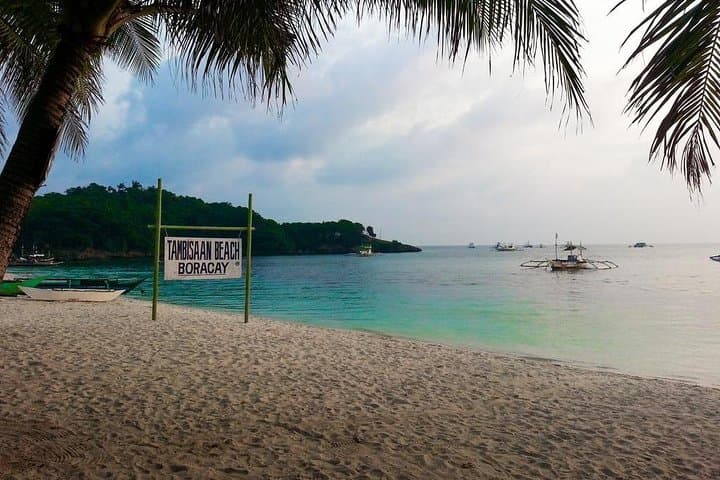
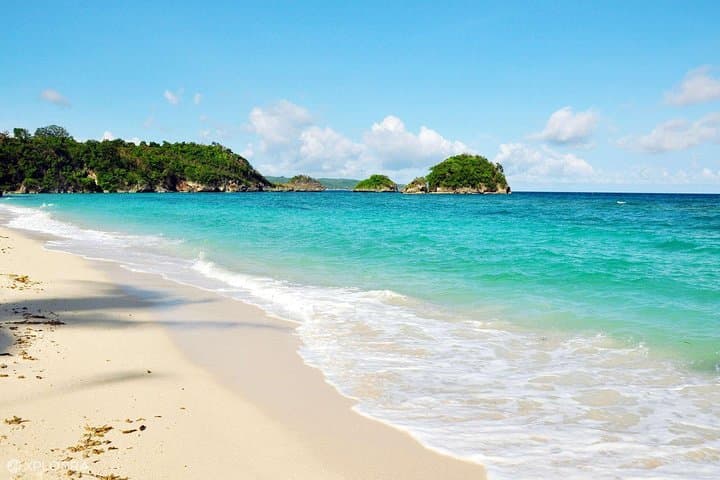
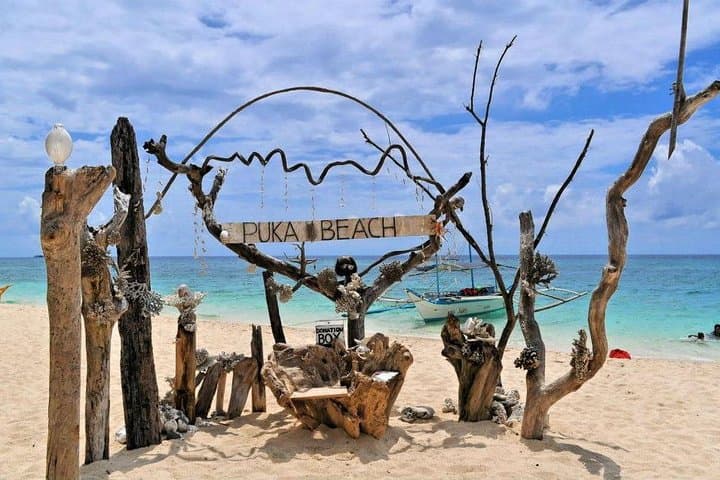
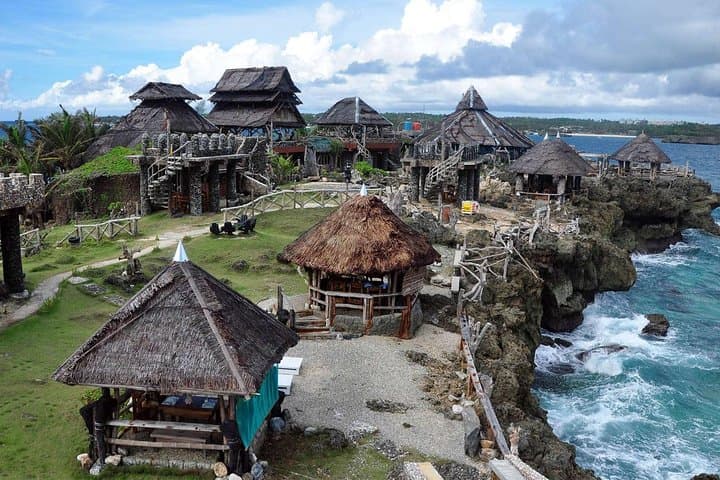
Spend 3–4 hours exploring Boracay beyond White Beach: Puka Beach’s shell-lined sand, the quiet Ilig‑iligán cove, Willy’s Rock chapel, Mount Luho’s lookout, and Tambisaan’s snorkeling access. This concise land tour is ideal for travelers wanting a snapshot of the island’s geology, culture, and coastal views.
Spend 3–4 hours exploring Boracay beyond White Beach: Puka Beach’s shell-lined sand, the quiet Ilig‑iligán cove, Willy’s Rock chapel, Mount Luho’s lookout, and Tambisaan’s snorkeling access. This concise land tour is ideal for travelers wanting a snapshot of the island’s geology, culture, and coastal views.
A morning breeze off the Sibuyan Sea lifts the salt into your face as the van creeps north along Boracay’s narrow spine. Windows frame stretches of white and coarse-shelled sand; each stop arrives like a new page in the island’s short, loud story.
Verified experiences and guided adventures in the surrounding area.
Operated by CTPH TOUR · Malay, Aklan
A morning breeze off the Sibuyan Sea lifts the salt into your face as the van creeps north along Boracay’s narrow spine. Windows frame stretches of white and coarse-shelled sand; each stop arrives like a new page in the island’s short, loud story.
The half-day circuit covers five compact highlights: Puka Beach’s shell-rich strand, the secluded cove of Ilig-iligan, the volcanic outcrop of Willy’s Rock with its small chapel, Mount Luho’s 100‑meter viewing deck, and Tambisaan’s alternative landing and snorkeling access. Geologically the island is a low reef and sandbar formation; beaches here are shaped as much by waves and shell debris as by human traffic.
Culturally, Boracay evolved from a fishing community into a global destination—visitors will notice local vendors, small chapels, and the rhythm of boatmen and resort staff. The 2018 closure and rehabilitation are recent chapters in the island’s management, aimed at restoring water quality and limiting overcrowding.
Practically, the tour runs about 3–4 hours with roughly 30 minutes at each stop; roads are paved but expect short walks, stairs up Willy’s Rock, and a 100‑meter ascent to Mount Luho viewing deck. The operator includes roundtrip land transfer from Stations 1–3 and one bottled water; wear reef‑safe sunscreen, bring a hat, and carry small bills for local stalls. Morning light is best for photos and calmer seas; late afternoons can bring wind and brief squalls during the rainy season. Leave no trace—Boracay’s recovery depends on each visitor’s choices.
easy.
3–4 hours.
Suitable for most fitness levels; requires short walks and climbing a set of stairs at Willy's Rock and Mount Luho.
The tour runs approximately 3–4 hours, with about 30 minutes at each of the five main stops.
Yes — roundtrip land transfer from hotels/resorts at Boracay Stations 1, 2 and 3 is included in the package.
No special admissions are required for the listed stops; the tour includes land transfer and one bottled water.
The itinerary is rated easy and suitable for most travelers, but there are stairs at Willy’s Rock and a short 100‑meter ascent to Mount Luho’s deck that may be challenging for those with mobility limitations.
Once a small fishing community in Aklan province, Boracay transformed into an international resort island in the late 20th century; Willy’s Rock is a local landmark with a chapel that reflects the island’s Catholic traditions.
Boracay underwent a major environmental rehabilitation in 2018 to restore water quality and limit its daily carrying capacity; visitors are encouraged to use reef‑safe products and pack out trash.
CTPH TOUR operates guided outdoor trips and adventures with an emphasis on safety, stewardship, and memorable experiences.
A morning breeze off the Sibuyan Sea lifts the salt into your face as the van creeps north along Boracay’s narrow spine. Windows frame stretches of white and coarse-shelled sand; each stop arrives like a new page in the island’s short, loud story.
A morning breeze off the Sibuyan Sea lifts the salt into your face as the van creeps north along Boracay’s narrow spine. Windows frame stretches of white and coarse-shelled sand; each stop arrives like a new page in the island’s short, loud story.
The half-day circuit covers five compact highlights: Puka Beach’s shell-rich strand, the secluded cove of Ilig-iligan, the volcanic outcrop of Willy’s Rock with its small chapel, Mount Luho’s 100‑meter viewing deck, and Tambisaan’s alternative landing and snorkeling access. Geologically the island is a low reef and sandbar formation; beaches here are shaped as much by waves and shell debris as by human traffic.
Culturally, Boracay evolved from a fishing community into a global destination—visitors will notice local vendors, small chapels, and the rhythm of boatmen and resort staff. The 2018 closure and rehabilitation are recent chapters in the island’s management, aimed at restoring water quality and limiting overcrowding.
Practically, the tour runs about 3–4 hours with roughly 30 minutes at each stop; roads are paved but expect short walks, stairs up Willy’s Rock, and a 100‑meter ascent to Mount Luho viewing deck. The operator includes roundtrip land transfer from Stations 1–3 and one bottled water; wear reef‑safe sunscreen, bring a hat, and carry small bills for local stalls. Morning light is best for photos and calmer seas; late afternoons can bring wind and brief squalls during the rainy season. Leave no trace—Boracay’s recovery depends on each visitor’s choices.