THE ADVENTURE COLLECTIVE® · Independent discovery and booking for outdoor travel

Spend a focused half‑day on Bora Bora’s lagoon: snorkel coral gardens, swim near rays and (seasonally) mantas, and learn island stories from a local captain. Small groups and supplied gear make this a practical, conservation-minded marine outing.
Spend a focused half‑day on Bora Bora’s lagoon: snorkel coral gardens, swim near rays and (seasonally) mantas, and learn island stories from a local captain. Small groups and supplied gear make this a practical, conservation-minded marine outing.
The boat eases away from the wharf and the lagoon opens into bands of turquoise that look painted. Salt and citrus hang in the air as the captain points toward the reef slope; within minutes you’re anchored over a coral garden where parrotfish snipe and pillows of coral hold tight to clear water.
Verified experiences and guided adventures in the surrounding area.
Operated by O'sea Bora-bora · Vaitape, Society Islands
The boat eases away from the wharf and the lagoon opens into bands of turquoise that look painted. Salt and citrus hang in the air as the captain points toward the reef slope; within minutes you’re anchored over a coral garden where parrotfish snipe and pillows of coral hold tight to clear water.
Bora Bora’s backbone is volcanic — a collapsed caldera ringed by a living reef — and that geology creates the shallow lagoon habitats that attract rays, reef sharks and seasonal mantas. The Society Islands carry layers of Polynesian navigational lore plus a twentieth‑century chapter when Allied forces used the island as a strategic staging area. Local guides blend those stories with knowledge of currents and feeding grounds to turn a snorkel stop into an interpretive moment.
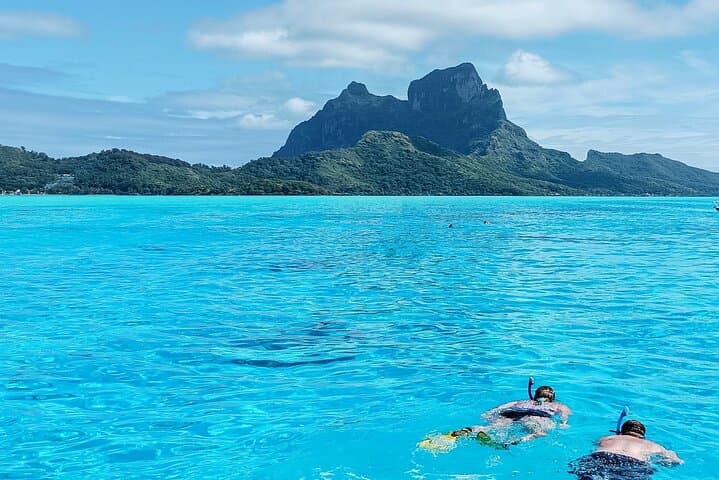
Expect three and a half hours on the water: multiple snorkel swims at a coral garden, a shallow sandbar or motu, and a stop along the outer reef where the lagoon meets the deep sea. The experience focuses on respectful encounters — keeping distance from rays and mantas and avoiding coral contact — and uses provided snorkel gear and bottled water.
Practical notes: wear reef‑safe sunscreen, a swim shirt, and fins if you own them; seas can be calm but bring a light wind layer. If you’re prone to seasickness, take preventative measures the night before. Tours typically pick up at hotels or meet at the nearest wharf; groups are small, and operators emphasize conservation. This half‑day run is equal parts wildlife viewing and a practical, accessible introduction to Bora Bora’s marine world.
easy.
3–4 hours.
Suitable for most swimmers and people in average physical condition; ability to swim and basic snorkeling comfort required.
The excursion runs about 3.5 hours (210 minutes) and includes multiple snorkel stops and short cruising between sites.
Yes — snorkel masks, snorkels and basic fins are supplied; you may bring personal gear for a better fit.
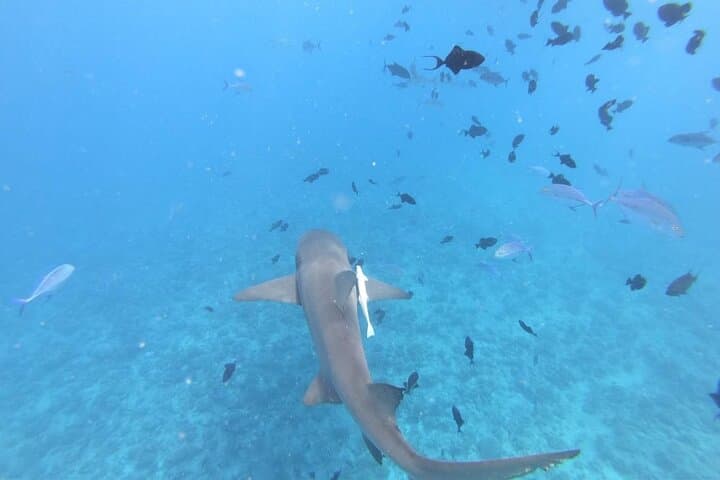
The boat targets known feeding and ray areas; sightings of stingrays and leopard/etd. rays are common and mantas are possible depending on season and ocean conditions.
The operator offers hotel pickup where accessible or arranges a meet at the nearest wharf; confirm your pickup point at booking.
Bora Bora formed from volcanic activity and sits within the Society Islands; the island also hosted Allied activity during World War II, which shaped some infrastructural history.
Operators prioritize no‑touch wildlife rules and encourage reef‑safe sunscreens; staying on designated paths and avoiding coral contact helps preserve fragile reef systems.
O'sea Bora-bora operates guided outdoor trips and adventures with an emphasis on safety, stewardship, and memorable experiences.
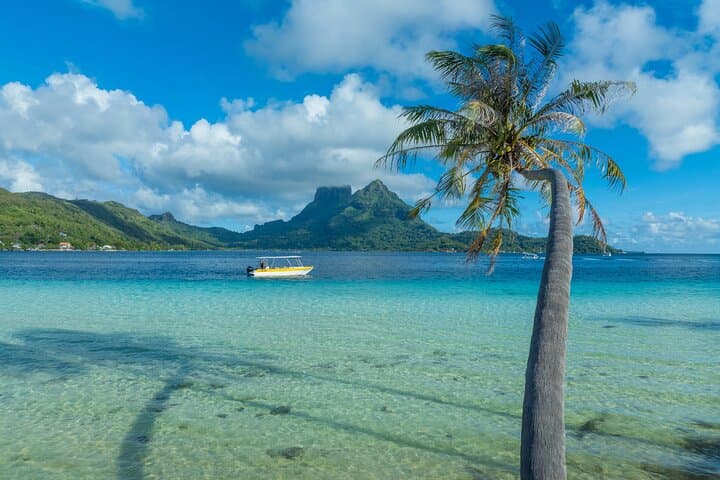
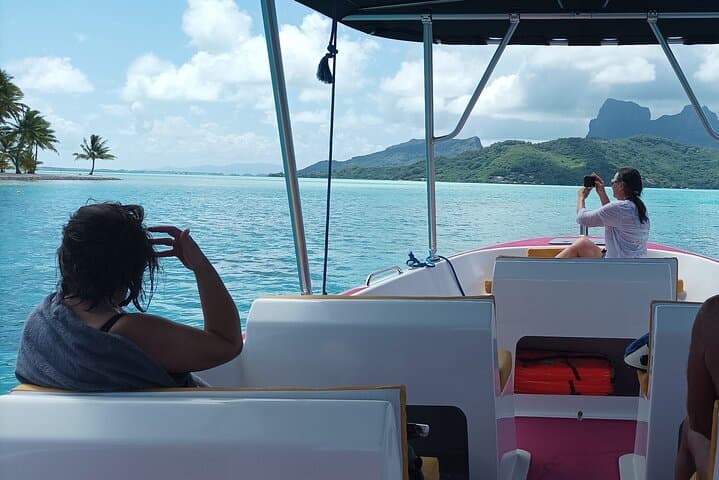
The boat eases away from the wharf and the lagoon opens into bands of turquoise that look painted. Salt and citrus hang in the air as the captain points toward the reef slope; within minutes you’re anchored over a coral garden where parrotfish snipe and pillows of coral hold tight to clear water.
The boat eases away from the wharf and the lagoon opens into bands of turquoise that look painted. Salt and citrus hang in the air as the captain points toward the reef slope; within minutes you’re anchored over a coral garden where parrotfish snipe and pillows of coral hold tight to clear water.
Bora Bora’s backbone is volcanic — a collapsed caldera ringed by a living reef — and that geology creates the shallow lagoon habitats that attract rays, reef sharks and seasonal mantas. The Society Islands carry layers of Polynesian navigational lore plus a twentieth‑century chapter when Allied forces used the island as a strategic staging area. Local guides blend those stories with knowledge of currents and feeding grounds to turn a snorkel stop into an interpretive moment.
Expect three and a half hours on the water: multiple snorkel swims at a coral garden, a shallow sandbar or motu, and a stop along the outer reef where the lagoon meets the deep sea. The experience focuses on respectful encounters — keeping distance from rays and mantas and avoiding coral contact — and uses provided snorkel gear and bottled water.
Practical notes: wear reef‑safe sunscreen, a swim shirt, and fins if you own them; seas can be calm but bring a light wind layer. If you’re prone to seasickness, take preventative measures the night before. Tours typically pick up at hotels or meet at the nearest wharf; groups are small, and operators emphasize conservation. This half‑day run is equal parts wildlife viewing and a practical, accessible introduction to Bora Bora’s marine world.