THE ADVENTURE COLLECTIVE® · Independent discovery and booking for outdoor travel

Discover the Blue Eye spring, climb to the ruins of Lëkurësi Castle, and dip toes into Ksamil’s clear coves on a compact half‑day tour from Saranda. This loop blends dramatic karst geology, Ottoman history, and coastal charm with easy walking and photo stops.
Discover the Blue Eye spring, climb to the ruins of Lëkurësi Castle, and dip toes into Ksamil’s clear coves on a compact half‑day tour from Saranda. This loop blends dramatic karst geology, Ottoman history, and coastal charm with easy walking and photo stops.
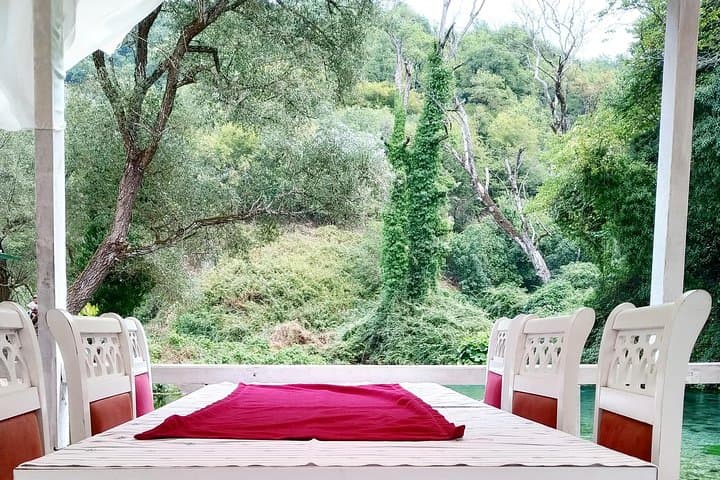
A short coastal drive out of Saranda unspools through olive terraces and low pines until the road narrows and the air cools; the Blue Eye waits — a circular, startlingly blue karst spring that bubbles from a shaft of limestone, its surface alive with movement while its true depth disappears into dark water.
Verified experiences and guided adventures in the surrounding area.
Operated by Private Tours Albania · Saranda, Vlorë County
A short coastal drive out of Saranda unspools through olive terraces and low pines until the road narrows and the air cools; the Blue Eye waits — a circular, startlingly blue karst spring that bubbles from a shaft of limestone, its surface alive with movement while its true depth disappears into dark water.
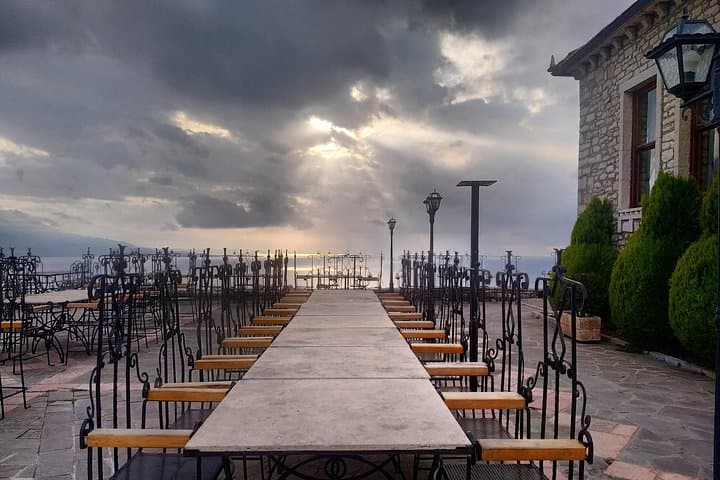
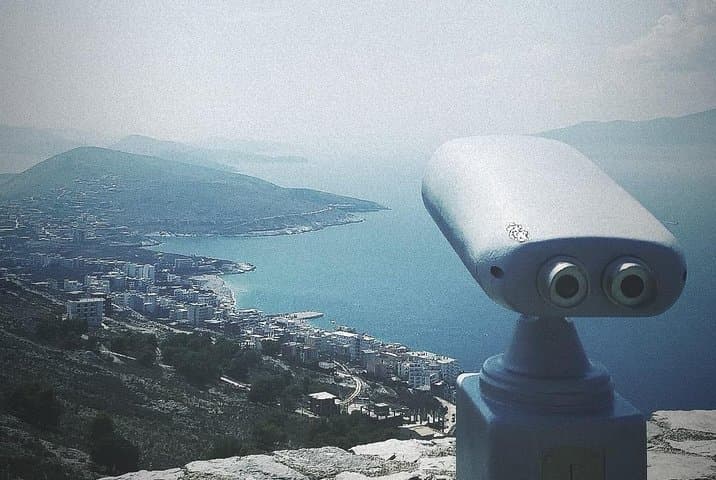
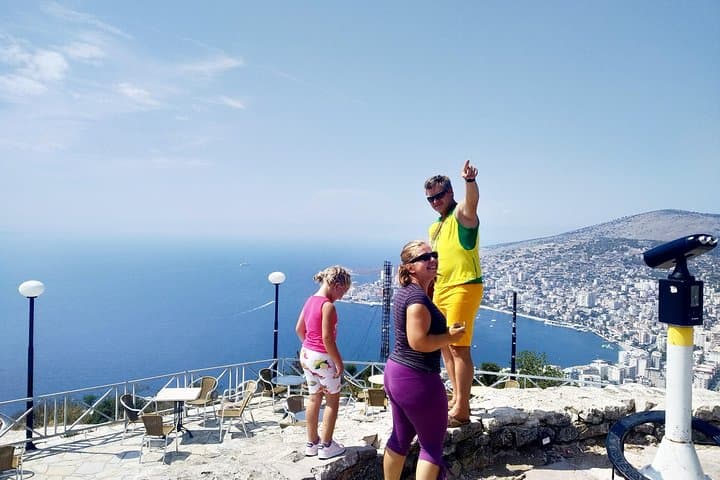
Geology here is direct: karst aquifers feed the spring, producing a concentrated blue where groundwater meets daylight. Lëkurësi Castle perches on a strategic hill above Saranda, a 16th‑century Ottoman fortification that still frames sweeping views of the Ionian and the Ksamil islets. Ksamil itself is a series of small beaches and offshore rocks where turquoise water laps sand and local fishermen haul in the day’s catch.
Culturally the circuit is immediate — Albanian coastal villages, seaside tavernas, and simple archaeological remains scattered through the region — and guides from Saranda knit natural and human history together in under four hours.
Practically: expect short walks on uneven trails and wooden platforms, brief uphill steps at Lëkurësi, and time for photos at each stop. The Blue Eye’s water is icy year-round, so swimming is rarely comfortable; bring layers, sun protection, and sturdy shoes for gravel and steps. Morning light is best for photography and cooler temperatures; late afternoon delivers warm light on Lëkurësi and quieter beaches in Ksamil.
Respect the site: follow marked paths, avoid disrupting spring flow, and carry out trash. With a personable local guide and private transport, this half‑day packs geology, history, and coastal scenery into a compact, accessible outing from Saranda.
easy.
3–4 hours.
Suitable for most fitness levels; requires short uphill walks and standing during viewpoints.
Swimming is generally discouraged—the water is extremely cold and the site is protected; follow local guide instructions and posted rules.
Yes, private transportation is included for pickups in Saranda and Ksamil; pickups from other towns may incur extra charges.
Yes—this is family‑friendly with minimal walking, though infants must sit on laps and supervision is required near water and cliffs.
Entrance fees, bottled water and snacks are listed as included; confirm details at booking for any changes.
Lëkurësi Castle dates to Ottoman rule in the 16th century—built to control the harbor and coastal road—and frames Saranda’s maritime approach.
The Blue Eye sits above a sensitive karst aquifer; stick to paths, avoid contaminating water, and support local guides who manage visitor impact.
Private Tours Albania operates guided outdoor trips and adventures with an emphasis on safety, stewardship, and memorable experiences.
A short coastal drive out of Saranda unspools through olive terraces and low pines until the road narrows and the air cools; the Blue Eye waits — a circular, startlingly blue karst spring that bubbles from a shaft of limestone, its surface alive with movement while its true depth disappears into dark water.
A short coastal drive out of Saranda unspools through olive terraces and low pines until the road narrows and the air cools; the Blue Eye waits — a circular, startlingly blue karst spring that bubbles from a shaft of limestone, its surface alive with movement while its true depth disappears into dark water.
Geology here is direct: karst aquifers feed the spring, producing a concentrated blue where groundwater meets daylight. Lëkurësi Castle perches on a strategic hill above Saranda, a 16th‑century Ottoman fortification that still frames sweeping views of the Ionian and the Ksamil islets. Ksamil itself is a series of small beaches and offshore rocks where turquoise water laps sand and local fishermen haul in the day’s catch.
Culturally the circuit is immediate — Albanian coastal villages, seaside tavernas, and simple archaeological remains scattered through the region — and guides from Saranda knit natural and human history together in under four hours.
Practically: expect short walks on uneven trails and wooden platforms, brief uphill steps at Lëkurësi, and time for photos at each stop. The Blue Eye’s water is icy year-round, so swimming is rarely comfortable; bring layers, sun protection, and sturdy shoes for gravel and steps. Morning light is best for photography and cooler temperatures; late afternoon delivers warm light on Lëkurësi and quieter beaches in Ksamil.
Respect the site: follow marked paths, avoid disrupting spring flow, and carry out trash. With a personable local guide and private transport, this half‑day packs geology, history, and coastal scenery into a compact, accessible outing from Saranda.