THE ADVENTURE COLLECTIVE® · Independent discovery and booking for outdoor travel

Spend a half-day exploring the saltpans around Santa Luzia near Tavira to watch flamingos, avocets, and other waders. This slow, accessible walk mixes natural history with salt-production lore and offers excellent spotting with provided optics.
Spend a half-day exploring the saltpans around Santa Luzia near Tavira to watch flamingos, avocets, and other waders. This slow, accessible walk mixes natural history with salt-production lore and offers excellent spotting with provided optics.
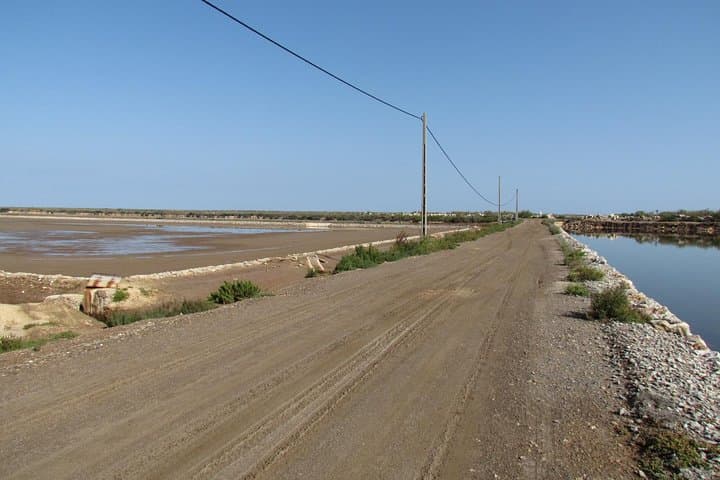
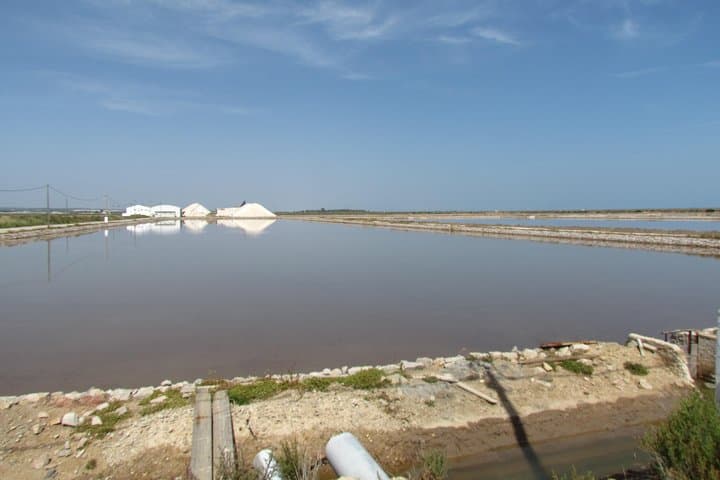
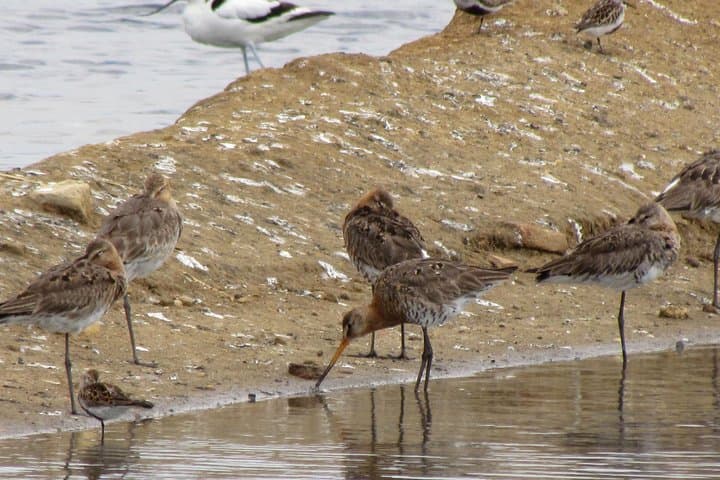
Wind skims glassy salt pans as you step off the track near Santa Luzia, binoculars already raised. Flamingos stand like coral-pink punctuation in shallow water; avocets and stilts patrol mudflats with fast, deliberate steps. The walk is unhurried—slow-paced observation across easy ground—so the landscape reveals itself in stages: low reed edges, channels that reflect the sky, and distant dunes marking the outer barrier of the Ria Formosa lagoon.
Verified experiences and guided adventures in the surrounding area.
Operated by A Rocha Life · Tavira, Algarve
Wind skims glassy salt pans as you step off the track near Santa Luzia, binoculars already raised. Flamingos stand like coral-pink punctuation in shallow water; avocets and stilts patrol mudflats with fast, deliberate steps. The walk is unhurried—slow-paced observation across easy ground—so the landscape reveals itself in stages: low reed edges, channels that reflect the sky, and distant dunes marking the outer barrier of the Ria Formosa lagoon.
This coastline was shaped by shifting sands and longshore drift; the saltpans themselves are a human imprint centuries old, maintained to harvest salt and to create rich habitats for migratory waders. Local culture still leans on the sea—fishing and small-scale salt production—and the tiny kitchens of Santa Luzia are known for seafood prepared simply and well.
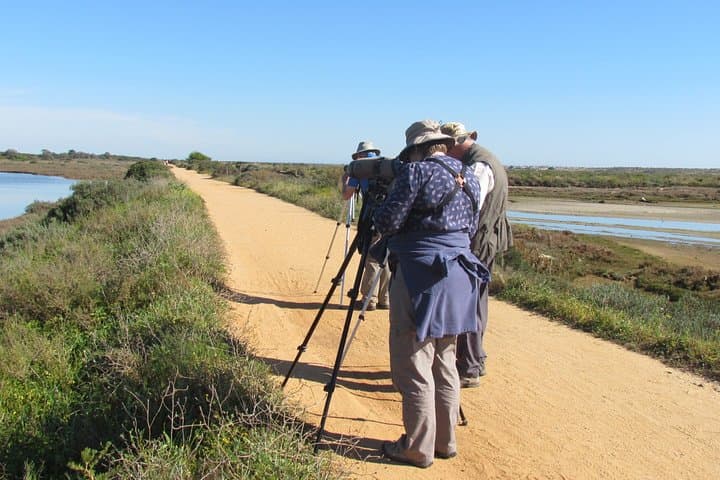
On a half-day tour expect 3–5 hours of gentle walking, with a guide focusing on identification, behavior, and why certain pans attract particular species. Telescopes are commonly available; bring binoculars if you have them. There’s almost no elevation gain and paths are flat but can be sandy or muddy after rain, so waterproof footwear is a plus.
Practical planning tips: schedule morning or late-afternoon visits for cooler light and active birds, wear sun protection and layers (coastal wind can cool quickly), and keep distance from nesting areas. This is an accessible, interpretive experience that combines natural history with hands-on field observation—ideal for novice and experienced birders alike.
easy.
3–5 hours.
Suitable for most fitness levels; minimal walking on flat terrain but expect 2–4 miles of slow-paced strolling.
The tour runs about 3–5 hours with gentle, slow-paced walking on flat ground; it’s considered easy and accessible.
Flamingos frequent the Ria Formosa saltpans, but sightings depend on tides and seasons; guides maximize chances by knowing local patterns.
Many saltpan areas and walk sections near Santa Luzia are flat and accessible, but conditions can vary—check with the operator for specific wheelchair support.
Guides typically bring a telescope for group viewing; bringing your own binoculars speeds up personal viewing.
Salt pans around Tavira have been worked for centuries; controlled evaporation and shallow basins created by local communities support both salt production and birdlife.
Ria Formosa is a protected natural park—stay on marked paths, avoid disturbing birds, and follow guide instructions to minimize impact.
A Rocha Life operates guided outdoor trips and adventures with an emphasis on safety, stewardship, and memorable experiences.
Wind skims glassy salt pans as you step off the track near Santa Luzia, binoculars already raised. Flamingos stand like coral-pink punctuation in shallow water; avocets and stilts patrol mudflats with fast, deliberate steps. The walk is unhurried—slow-paced observation across easy ground—so the landscape reveals itself in stages: low reed edges, channels that reflect the sky, and distant dunes marking the outer barrier of the Ria Formosa lagoon.
Wind skims glassy salt pans as you step off the track near Santa Luzia, binoculars already raised. Flamingos stand like coral-pink punctuation in shallow water; avocets and stilts patrol mudflats with fast, deliberate steps. The walk is unhurried—slow-paced observation across easy ground—so the landscape reveals itself in stages: low reed edges, channels that reflect the sky, and distant dunes marking the outer barrier of the Ria Formosa lagoon.
This coastline was shaped by shifting sands and longshore drift; the saltpans themselves are a human imprint centuries old, maintained to harvest salt and to create rich habitats for migratory waders. Local culture still leans on the sea—fishing and small-scale salt production—and the tiny kitchens of Santa Luzia are known for seafood prepared simply and well.
On a half-day tour expect 3–5 hours of gentle walking, with a guide focusing on identification, behavior, and why certain pans attract particular species. Telescopes are commonly available; bring binoculars if you have them. There’s almost no elevation gain and paths are flat but can be sandy or muddy after rain, so waterproof footwear is a plus.
Practical planning tips: schedule morning or late-afternoon visits for cooler light and active birds, wear sun protection and layers (coastal wind can cool quickly), and keep distance from nesting areas. This is an accessible, interpretive experience that combines natural history with hands-on field observation—ideal for novice and experienced birders alike.