THE ADVENTURE COLLECTIVE® · Independent discovery and booking for outdoor travel

Cycle from Miraflores to Lima’s Plaza Mayor on a four-hour guided ride that mixes pre-Columbian ruins, olive-lined parks and colonial architecture. Learn what to expect, where to stop, and practical tips for a safe, scenic urban ride.
Cycle from Miraflores to Lima’s Plaza Mayor on a four-hour guided ride that mixes pre-Columbian ruins, olive-lined parks and colonial architecture. Learn what to expect, where to stop, and practical tips for a safe, scenic urban ride.
The ride begins in Miraflores beneath the warm coastal light, bicycles lined up outside the pre-Inca walls of Huaca Pucllana.
Verified experiences and guided adventures in the surrounding area.
Operated by ANP Tour & Travel · Lima, Lima
The ride begins in Miraflores beneath the warm coastal light, bicycles lined up outside the pre-Inca walls of Huaca Pucllana.
Pedaling away from the Pacific breeze, riders move through El Olivar, where centuries-old olive trees lean over city paths and small birds dart between branches as if urging the group onward. The route follows wide avenues and quieter streets toward the Rímac River, the riverbank daring you to notice Lima’s layered past — from Lima culture ruins to the Spanish colonial grid concentrated at the Plaza Mayor.
This half-day tour threads history and urban geology: Huaca Pucllana’s adobe mound dates to roughly 200 AD, colonial-era cathedrals rise from volcanic ash deposits, and the Parque de la Muralla preserves swaths of the old defensive wall. Guides point out architectural details — balconies, carved stonework and the Government Palace — and explain how trade and the river shaped the city.
Expect mostly paved streets, short uphill pushes on avenues like Arequipa, and controlled group riding through moderate traffic. Stops include observation points for the Cathedral and green pockets where local life slows for a moment.
Practical notes: bring a well-fitting helmet, water, sunscreen and a light layer for coastal fog. Ride times total about four hours with frequent stops; riders should have basic cycling confidence and the ability to remount after brief climbs. The tour suits travelers who want a fast, grounded introduction to Lima’s culture, urban nature and archaeological roots without sacrificing safety or comfort.
moderate.
4 hours.
Moderate—able to ride on paved streets for several miles with short climbs and frequent stops
The typical meeting point is Huaca Pucllana in Miraflores; confirm exact location and arrival time with your operator.
Expect roughly 10–15 kilometers round-trip depending on route variations between Miraflores and the Historic Center.
Yes—riders should be comfortable on a bike and able to navigate short climbs; guides manage pace and traffic.
Yes. The tour includes bicycle use and helmet/safety equipment as listed in the inclusions.
Lima was founded by Francisco Pizarro in 1535; the route links colonial architecture with the pre-Hispanic Huaca Pucllana complex, active around 200 AD.
Respect archaeological sites by staying on marked paths; minimizing litter and using public bike racks helps protect green spaces and urban wildlife.
ANP Tour & Travel operates guided outdoor trips and adventures with an emphasis on safety, stewardship, and memorable experiences.
The ride begins in Miraflores beneath the warm coastal light, bicycles lined up outside the pre-Inca walls of Huaca Pucllana.
The ride begins in Miraflores beneath the warm coastal light, bicycles lined up outside the pre-Inca walls of Huaca Pucllana.
Pedaling away from the Pacific breeze, riders move through El Olivar, where centuries-old olive trees lean over city paths and small birds dart between branches as if urging the group onward. The route follows wide avenues and quieter streets toward the Rímac River, the riverbank daring you to notice Lima’s layered past — from Lima culture ruins to the Spanish colonial grid concentrated at the Plaza Mayor.
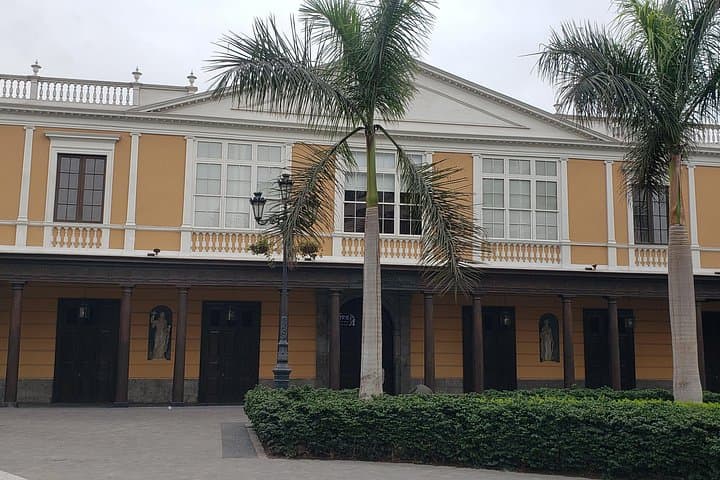
This half-day tour threads history and urban geology: Huaca Pucllana’s adobe mound dates to roughly 200 AD, colonial-era cathedrals rise from volcanic ash deposits, and the Parque de la Muralla preserves swaths of the old defensive wall. Guides point out architectural details — balconies, carved stonework and the Government Palace — and explain how trade and the river shaped the city.
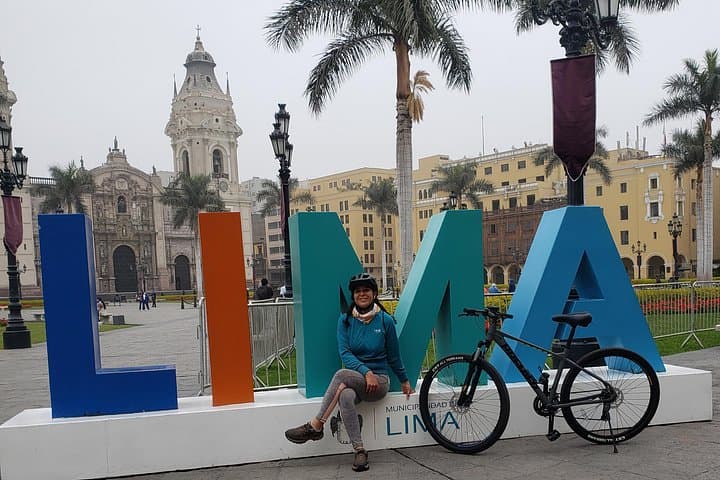
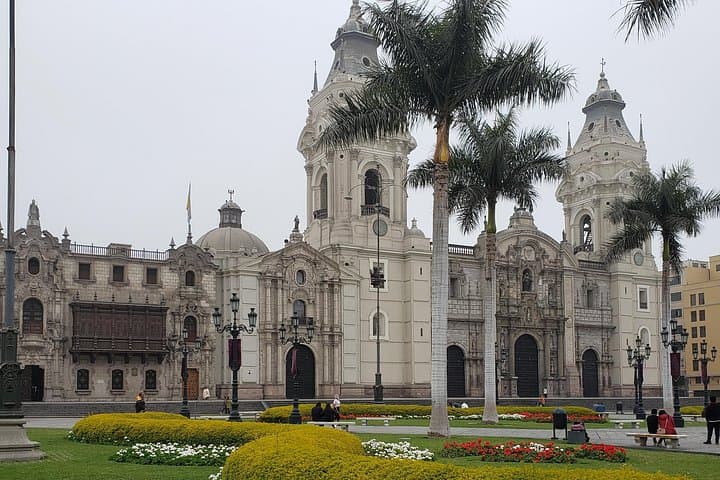
Expect mostly paved streets, short uphill pushes on avenues like Arequipa, and controlled group riding through moderate traffic. Stops include observation points for the Cathedral and green pockets where local life slows for a moment.
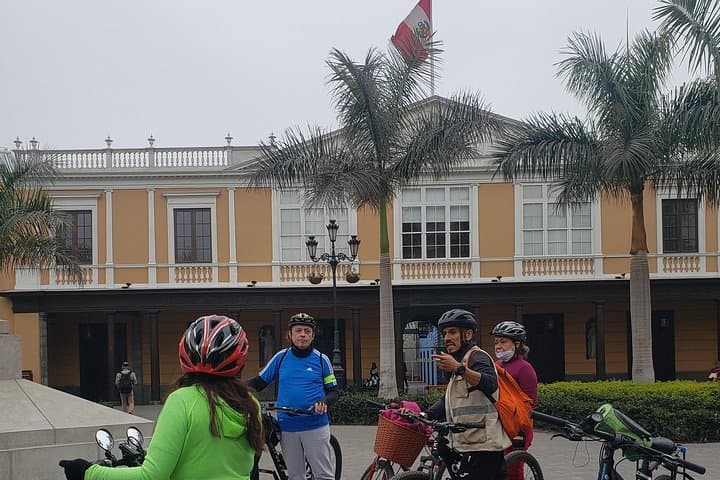
Practical notes: bring a well-fitting helmet, water, sunscreen and a light layer for coastal fog. Ride times total about four hours with frequent stops; riders should have basic cycling confidence and the ability to remount after brief climbs. The tour suits travelers who want a fast, grounded introduction to Lima’s culture, urban nature and archaeological roots without sacrificing safety or comfort.