THE ADVENTURE COLLECTIVE® · Independent discovery and booking for outdoor travel

Walk the red-brick lanes of Bhaktapur with a private guide and step into centuries of Newari craft, pagoda temples, and Pottery Square. This focused half-day tour brings architecture, artisans, and local flavors together for a practical and immersive cultural outing.
Walk the red-brick lanes of Bhaktapur with a private guide and step into centuries of Newari craft, pagoda temples, and Pottery Square. This focused half-day tour brings architecture, artisans, and local flavors together for a practical and immersive cultural outing.
The city opens before you on a narrow lane of red brick and carved timber: bells tinkle from pagoda roofs, potters spin clay in a sun-warmed courtyard, and the air carries the sharp salt-sweet scent of local yogurt stalls. A private guide leads you through Bhaktapur’s living museum — where every carved window and weathered stone has a story.
Verified experiences and guided adventures in the surrounding area.
Operated by AM Travels and Tours · Bhaktapur, Bagmati Province
The city opens before you on a narrow lane of red brick and carved timber: bells tinkle from pagoda roofs, potters spin clay in a sun-warmed courtyard, and the air carries the sharp salt-sweet scent of local yogurt stalls. A private guide leads you through Bhaktapur’s living museum — where every carved window and weathered stone has a story.
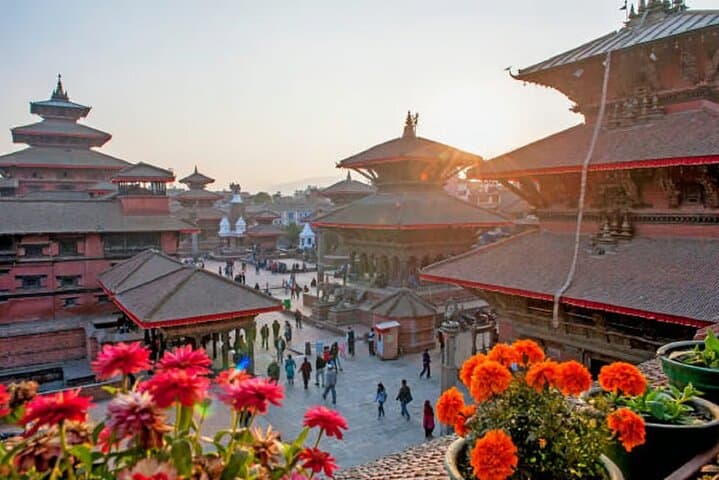
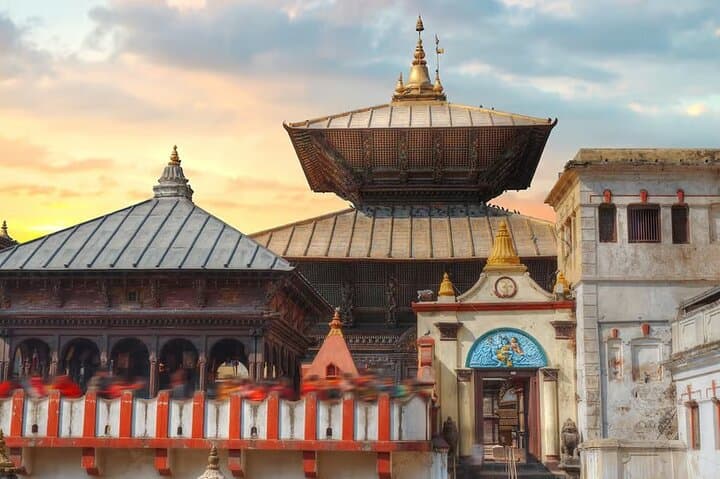
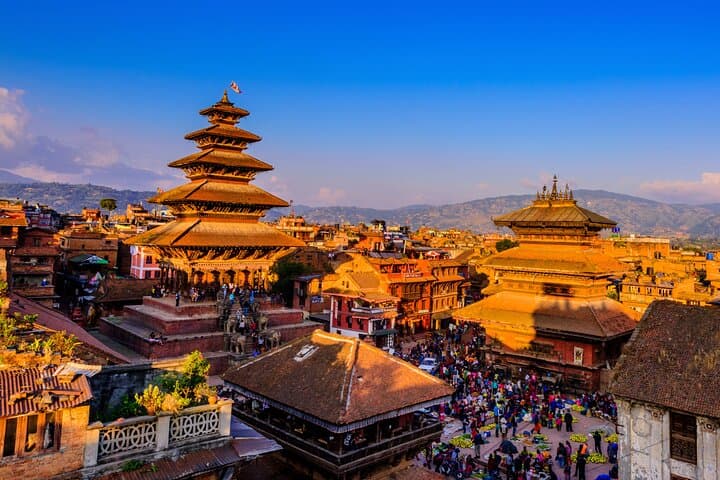
Bhaktapur was a capital of the medieval Newar kingdoms and remains one of the best-preserved examples of Newari art and urban form in the Kathmandu Valley. The Durbar Square complex showcases multi-tiered pagodas, intricately carved palaces, and court plazas shaped by centuries of Malla patronage; the surrounding Pottery Square and artisan lanes keep age-old crafts in daily use.
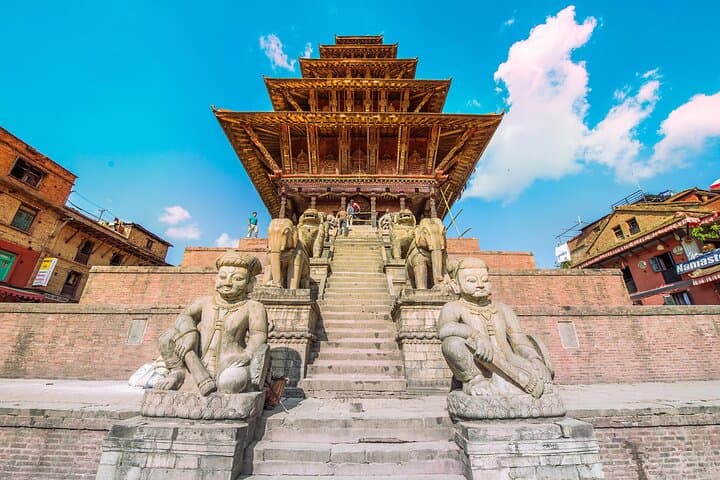
Expect lots of short walks on uneven cobbles, frequent stops for explanations, and opportunities to observe — or try — pottery and paubha painting. Guides typically cover the five-story pagoda temples, guild houses, the 55-window palace façade and the communal pottery workshops, while pointing out local foods like juju dhau (the region’s famed curd).
Practical guidance: plan for about four hours total including hotel transfers; bring local currency for entry fees and purchases, wear sturdy shoes for cobbles and steps, and carry a light layer for gusty mornings or dust. Photography is fine in most outdoor areas but be respectful inside active shrines. Morning slots avoid midday heat and offer softer light for architecture. A private transfer and bottled water are usually included, making this a compact, culturally dense half-day that pairs well with broader Kathmandu sightseeing.
easy.
3–4 hours.
Light walking on uneven surfaces; suitable for most fitness levels but expect stairs and cobbles.
Most private tours don’t include monument entrance fees — expect to pay a modest local fee on arrival, usually collected at the square entry.
This is a half-day (about four hours) private tour and typically includes round-trip hotel pickup by car and bottled water.
Yes — Pottery Square workshops often demonstrate traditional techniques and some will let visitors try molding clay for a small fee or donation.
Bhaktapur’s cobbled streets and steps make full accessibility difficult; some areas are manageable with assistance, but many heritage sites have limited wheelchair access.
Bhaktapur was a center of Newar culture and Malla-era craftsmanship; its Durbar Square preserves palaces and temples that date from medieval Nepal and are recognized by UNESCO.
Conservation focuses on careful restoration and limits on touching historic woodwork; support local artisans and avoid littering to help preserve fragile heritage sites.
AM Travels and Tours operates guided outdoor trips and adventures with an emphasis on safety, stewardship, and memorable experiences.
The city opens before you on a narrow lane of red brick and carved timber: bells tinkle from pagoda roofs, potters spin clay in a sun-warmed courtyard, and the air carries the sharp salt-sweet scent of local yogurt stalls. A private guide leads you through Bhaktapur’s living museum — where every carved window and weathered stone has a story.
The city opens before you on a narrow lane of red brick and carved timber: bells tinkle from pagoda roofs, potters spin clay in a sun-warmed courtyard, and the air carries the sharp salt-sweet scent of local yogurt stalls. A private guide leads you through Bhaktapur’s living museum — where every carved window and weathered stone has a story.
Bhaktapur was a capital of the medieval Newar kingdoms and remains one of the best-preserved examples of Newari art and urban form in the Kathmandu Valley. The Durbar Square complex showcases multi-tiered pagodas, intricately carved palaces, and court plazas shaped by centuries of Malla patronage; the surrounding Pottery Square and artisan lanes keep age-old crafts in daily use.
Expect lots of short walks on uneven cobbles, frequent stops for explanations, and opportunities to observe — or try — pottery and paubha painting. Guides typically cover the five-story pagoda temples, guild houses, the 55-window palace façade and the communal pottery workshops, while pointing out local foods like juju dhau (the region’s famed curd).
Practical guidance: plan for about four hours total including hotel transfers; bring local currency for entry fees and purchases, wear sturdy shoes for cobbles and steps, and carry a light layer for gusty mornings or dust. Photography is fine in most outdoor areas but be respectful inside active shrines. Morning slots avoid midday heat and offer softer light for architecture. A private transfer and bottled water are usually included, making this a compact, culturally dense half-day that pairs well with broader Kathmandu sightseeing.