THE ADVENTURE COLLECTIVE® · Independent discovery and booking for outdoor travel

Climb 272 rainbow steps to reach towering limestone caverns and ornate Hindu shrines at Batu Caves. This half‑day trip from Kuala Lumpur blends geology, religion, and a dash of wildlife for a compact cultural adventure.
Climb 272 rainbow steps to reach towering limestone caverns and ornate Hindu shrines at Batu Caves. This half‑day trip from Kuala Lumpur blends geology, religion, and a dash of wildlife for a compact cultural adventure.
You step off the van into hot, bright air and the first thing you notice is the gold—Lord Murugan’s 42.7‑meter statue glints against a limestone rim. Monkeys move like small conspirators along railings, and a long, rainbow-painted staircase snakes up into a shadowed mouth in the rock.
Verified experiences and guided adventures in the surrounding area.
Operated by Asni Global · Kuala Lumpur, Selangor
You step off the van into hot, bright air and the first thing you notice is the gold—Lord Murugan’s 42.7‑meter statue glints against a limestone rim. Monkeys move like small conspirators along railings, and a long, rainbow-painted staircase snakes up into a shadowed mouth in the rock.
Batu Caves began as a geological event: limestone deposited and folded over some 400 million years before erosion left towering caverns. Colonized by Hindu devotees in the late 19th century, the site became a focal point for Malaysia’s Tamil community; during Thaipusam thousands climb these same steps bearing offerings. Inside the main cavern, natural skylights and stalactites frame ornate shrines and vividly painted deities, a collision of natural history and living culture.
Expect a vigorous stair climb—272 steps—to reach the Cathedral Cave where shrines and open ceiling holes create sudden flashes of light. The walkways and platforms are mostly paved, but steps can be slippery when wet; monkeys are adept at snatching loose items. Photography is permitted in many areas, but maintain reverence near active worshippers.
Practical notes: mornings are cooler and less crowded; wear modest clothing covering shoulders and knees or bring a wrap. Comfortable, grippy shoes and at least one liter of water are sensible for most visitors. Keep bags zipped and don’t feed wildlife. The half‑day logistics—roughly 2–3 hours including transport from central Kuala Lumpur—make this a manageable cultural adventure for most travelers.
moderate.
2–3 hours.
Suitable for visitors with basic fitness who can climb several flights of stairs; those with mobility issues may struggle.
The itinerary runs about 2–3 hours including round‑trip transport from central Kuala Lumpur; exact timing depends on traffic and hotel pickup.
Access to the main cave complex is free, though some side attractions or exhibitions may charge a small fee.
Yes—tour operators note infants must sit on laps; supervise children closely around steps and wildlife.
Photography is generally allowed, but be respectful near worshippers and avoid using flash in sensitive shrine areas.
The limestone hill formed hundreds of millions of years ago; the site became a Hindu worship center in the late 19th century when Indian laborers established temples within the caverns.
Dark Cave programs run guided tours to educate visitors and protect sensitive cave fauna; avoid touching formations and stick to marked paths to minimize impact.
Asni Global operates guided outdoor trips and adventures with an emphasis on safety, stewardship, and memorable experiences.

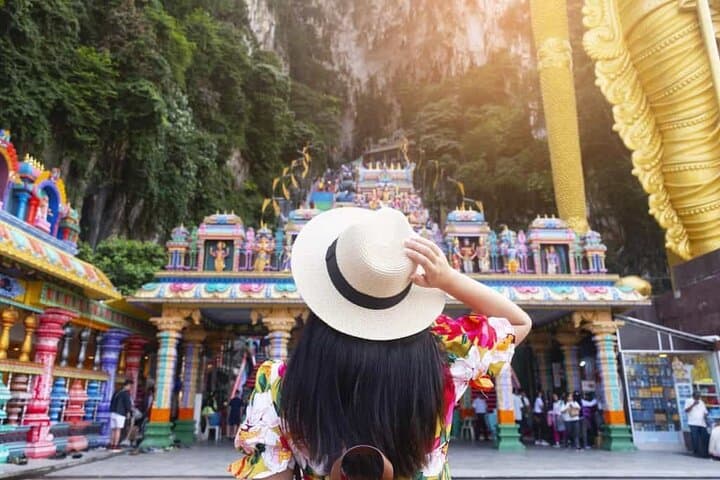
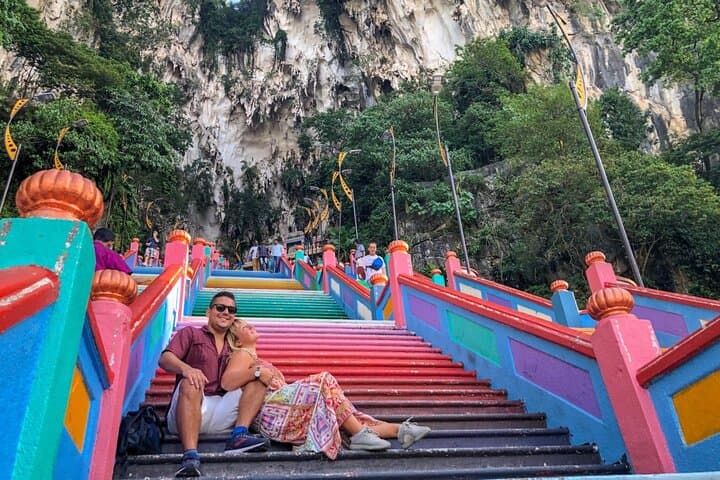
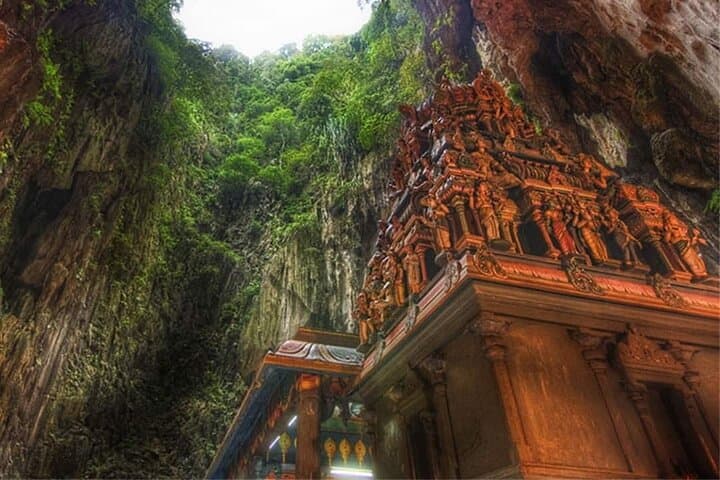
You step off the van into hot, bright air and the first thing you notice is the gold—Lord Murugan’s 42.7‑meter statue glints against a limestone rim. Monkeys move like small conspirators along railings, and a long, rainbow-painted staircase snakes up into a shadowed mouth in the rock.
You step off the van into hot, bright air and the first thing you notice is the gold—Lord Murugan’s 42.7‑meter statue glints against a limestone rim. Monkeys move like small conspirators along railings, and a long, rainbow-painted staircase snakes up into a shadowed mouth in the rock.
Batu Caves began as a geological event: limestone deposited and folded over some 400 million years before erosion left towering caverns. Colonized by Hindu devotees in the late 19th century, the site became a focal point for Malaysia’s Tamil community; during Thaipusam thousands climb these same steps bearing offerings. Inside the main cavern, natural skylights and stalactites frame ornate shrines and vividly painted deities, a collision of natural history and living culture.
Expect a vigorous stair climb—272 steps—to reach the Cathedral Cave where shrines and open ceiling holes create sudden flashes of light. The walkways and platforms are mostly paved, but steps can be slippery when wet; monkeys are adept at snatching loose items. Photography is permitted in many areas, but maintain reverence near active worshippers.
Practical notes: mornings are cooler and less crowded; wear modest clothing covering shoulders and knees or bring a wrap. Comfortable, grippy shoes and at least one liter of water are sensible for most visitors. Keep bags zipped and don’t feed wildlife. The half‑day logistics—roughly 2–3 hours including transport from central Kuala Lumpur—make this a manageable cultural adventure for most travelers.