THE ADVENTURE COLLECTIVE® · Independent discovery and booking for outdoor travel

Spend a brisk half day in Bai Tu Long Bay: a cruise through limestone towers, lunch on deck, a walk in Thien Canh Son Cave and guided kayaking past fishing villages—compact, scenic, and beginner-friendly.
Spend a brisk half day in Bai Tu Long Bay: a cruise through limestone towers, lunch on deck, a walk in Thien Canh Son Cave and guided kayaking past fishing villages—compact, scenic, and beginner-friendly.
You step off the harbor and the boat slips into a forest of limestone karsts—gray cliffs rise like weathered sentries and the water ahead opens into a calm, island-dotted bay. Sea spray and the smell of fish sauce hang on the air as the vessel threads between Mat Quy and Teapot islets, then slows near Vung Vieng where stilts and nets lean against the tide.
Verified experiences and guided adventures in the surrounding area.
Operated by Old Quarter Travel · Ha Long, Quang Ninh
You step off the harbor and the boat slips into a forest of limestone karsts—gray cliffs rise like weathered sentries and the water ahead opens into a calm, island-dotted bay. Sea spray and the smell of fish sauce hang on the air as the vessel threads between Mat Quy and Teapot islets, then slows near Vung Vieng where stilts and nets lean against the tide.
Bai Tu Long Bay shares the same geology as Ha Long: millions of years of uplift and erosion carved the karsts from limestone, leaving caves like Thien Canh Son as roomy, calcified chambers favored by fishermen and explorers. Vung Vieng preserves a small-scale fishing culture; families still maintain bamboo boats and floating structures that have existed for generations.
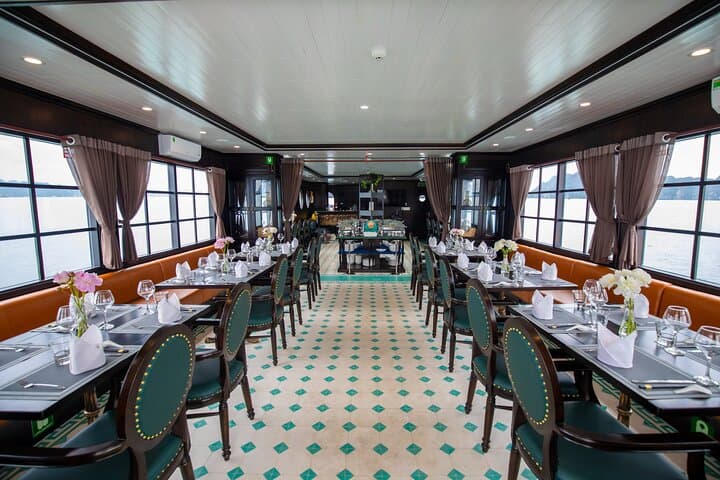
The itinerary fits into a compact half-day window: embark at Ha Long International Harbor, lunch on board while cruising, stop at Thien Canh Son Cave, then trade the deck for a kayak or bamboo boat to paddle through narrow inlets and around mushroom-shaped islets before returning. Expect sheltered, calm waters with short, guided paddle sections—roughly 1–3 km of paddling depending on route—and easy cave walking with some steps and low ceilings.
Practical edge: go mid-morning to avoid midday heat, wear quick-dry layers and water shoes with grip, and pack sun protection and a small dry bag for electronics. Bring cash for small purchases in Vung Vieng. The trip is suitable for beginners but pay attention during brief transfers and when boarding kayaks; guides will brief safety and basic paddling technique. This half-day is compact, sensory, and surprisingly immersive—ideal if you want the karst drama without an overnight commitment.
moderate.
5–6 hours.
Suitable for travelers in average fitness; short paddling sessions require core stability and basic mobility for getting in/out of kayaks.
Paddling sections are short and guided—typically 1–3 km total depending on chosen route; guides provide instruction and options for bamboo boat transfers if you prefer not to kayak.
Thien Canh Son Cave involves uneven steps and low ceilings in places but no technical climbing; comfortable footwear and a modest level of mobility are enough.
Yes—this tour accommodates beginners with guided instruction and stable recreational kayaks or bamboo boats for those who opt out.
Guides generally speak basic English for logistics and safety; lunch is included and served on board as noted in the itinerary.
Bai Tu Long is part of the same karst system as Ha Long and has long been used by local fishing communities; some islands contain archaeological evidence of long-term coastal habitation.
Limit plastic use and avoid stepping on mangroves or sensitive shorelines; local operators often support village-based tourism to reduce pressure on fragile sites.
Old Quarter Travel operates guided outdoor trips and adventures with an emphasis on safety, stewardship, and memorable experiences.
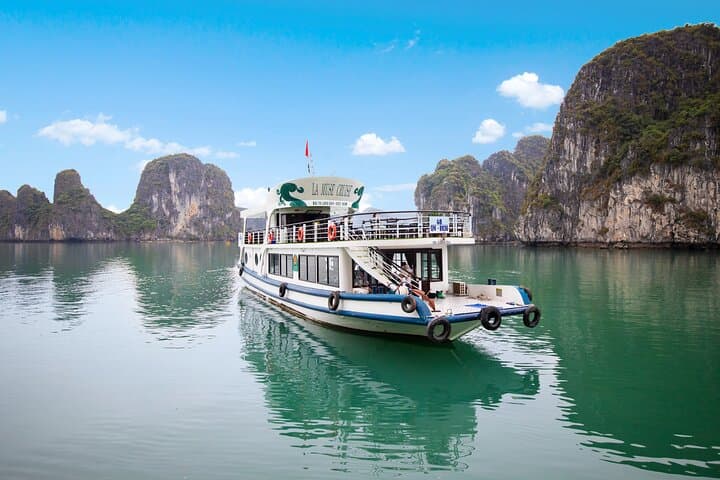
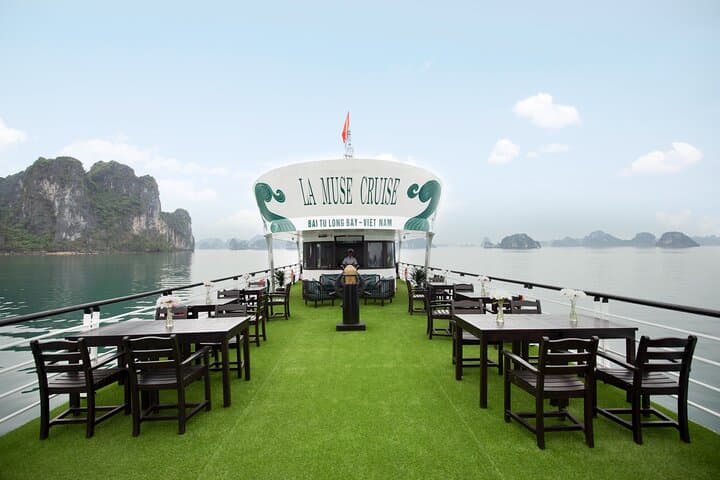
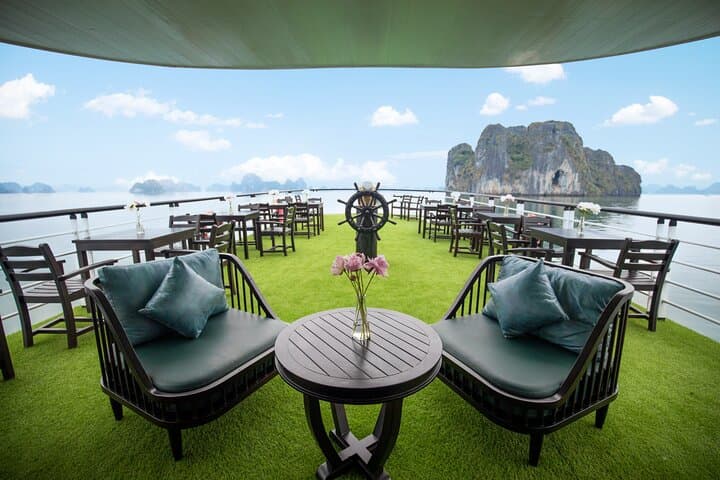
You step off the harbor and the boat slips into a forest of limestone karsts—gray cliffs rise like weathered sentries and the water ahead opens into a calm, island-dotted bay. Sea spray and the smell of fish sauce hang on the air as the vessel threads between Mat Quy and Teapot islets, then slows near Vung Vieng where stilts and nets lean against the tide.
You step off the harbor and the boat slips into a forest of limestone karsts—gray cliffs rise like weathered sentries and the water ahead opens into a calm, island-dotted bay. Sea spray and the smell of fish sauce hang on the air as the vessel threads between Mat Quy and Teapot islets, then slows near Vung Vieng where stilts and nets lean against the tide.
Bai Tu Long Bay shares the same geology as Ha Long: millions of years of uplift and erosion carved the karsts from limestone, leaving caves like Thien Canh Son as roomy, calcified chambers favored by fishermen and explorers. Vung Vieng preserves a small-scale fishing culture; families still maintain bamboo boats and floating structures that have existed for generations.
The itinerary fits into a compact half-day window: embark at Ha Long International Harbor, lunch on board while cruising, stop at Thien Canh Son Cave, then trade the deck for a kayak or bamboo boat to paddle through narrow inlets and around mushroom-shaped islets before returning. Expect sheltered, calm waters with short, guided paddle sections—roughly 1–3 km of paddling depending on route—and easy cave walking with some steps and low ceilings.
Practical edge: go mid-morning to avoid midday heat, wear quick-dry layers and water shoes with grip, and pack sun protection and a small dry bag for electronics. Bring cash for small purchases in Vung Vieng. The trip is suitable for beginners but pay attention during brief transfers and when boarding kayaks; guides will brief safety and basic paddling technique. This half-day is compact, sensory, and surprisingly immersive—ideal if you want the karst drama without an overnight commitment.