THE ADVENTURE COLLECTIVE® · Independent discovery and booking for outdoor travel

Float into the Ayung’s jungle-cut gorge for a private 12 km rafting run from Ubud—an intense, three-hour mix of technical rapids, river scenery, and Balinese riverside culture. Read on for what to expect, how to prepare, and local insights that make this trip more than a thrill.
Float into the Ayung’s jungle-cut gorge for a private 12 km rafting run from Ubud—an intense, three-hour mix of technical rapids, river scenery, and Balinese riverside culture. Read on for what to expect, how to prepare, and local insights that make this trip more than a thrill.
The raft punches into the Ayung with a soft rock-skim and the jungle immediately leans in close; palms and volcanic cliffs press around the channel as the current dares you forward. Paddles find rhythm under the guide’s calls, and the river alternates between playful riffles and steep, rock-studded drops that make every stroke count.
Verified experiences and guided adventures in the surrounding area.
Operated by Master Bali Tour · Ubud, Bali
The raft punches into the Ayung with a soft rock-skim and the jungle immediately leans in close; palms and volcanic cliffs press around the channel as the current dares you forward. Paddles find rhythm under the guide’s calls, and the river alternates between playful riffles and steep, rock-studded drops that make every stroke count.
This stretch of the Ayung has shaped local life for centuries—feeding rice terraces and lining the approaches to village temples—its course carved through volcanic ash and andesite boulders that give the rapids their teeth. Ubud’s culture and the river are tightly linked: you’ll pass carved stones and small shrines tucked into the banks while Balinese song and village activity echo from nearby paths.
Geologically the gorge is young: Bali’s volcanic past left loose deposits that the Ayung has cut into steep, irregular channels. Culturally, the river is part working landscape, part ritual backdrop; farmers still depend on the valley’s flows and guides will point out features that locals respect.
Practical guidance: this private, guided run covers about 12 km and takes roughly three hours including transit, prep, and a riverside lunch. Expect stairway descents to the launch and an ascent at the finish. Wear secure, quick-dry footwear and a snug lifejacket; swimming ability helps but experienced guides manage steering and safety. Hydrate before you start, leave jewelry in your shuttle, and plan for wet clothes afterward—the operator provides water-resistant bags, helmets, and a post-raft shower and meal. Timing a trip in the dry season yields gentler water and clearer views; rainy-season runs are faster and more adrenaline-heavy.
challenging.
3 hours (total).
Moderate to strong cardiovascular fitness recommended; you should be able to climb stairs and perform short bursts of paddling.
The rafting course is about 12 km long; the total experience including transfers, prep, and lunch takes roughly three hours.
No—this is guided and suitable for beginners, but participants should be in moderate physical condition and able to follow safety instructions.
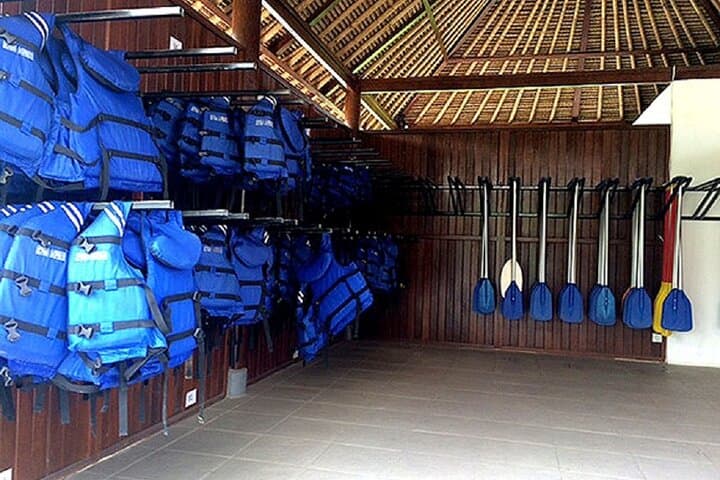
Operators supply helmets, life jackets, paddles, water-resistant bags, and trained guides; showers and changing rooms are available at the finish.
Children can join but operators limit boats to a maximum of six (typically 5 adults + 1 child); age and weight limits vary, so confirm at booking.
The Ayung has long supported local agriculture and village temples; many riverside carvings and shrines reflect Balinese rituals tied to water and rice cultivation.
Keep to the guides’ routes and avoid littering—river health is crucial to local irrigation. Choose operators that follow waste management and respect temple sites.
Master Bali Tour operates guided outdoor trips and adventures with an emphasis on safety, stewardship, and memorable experiences.
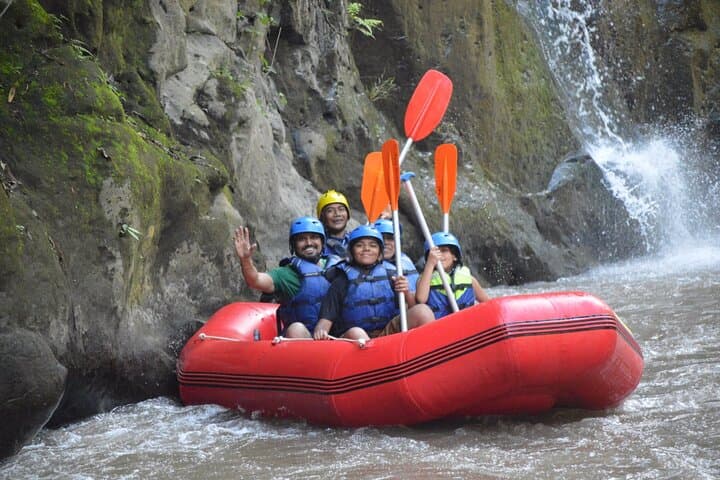


The raft punches into the Ayung with a soft rock-skim and the jungle immediately leans in close; palms and volcanic cliffs press around the channel as the current dares you forward. Paddles find rhythm under the guide’s calls, and the river alternates between playful riffles and steep, rock-studded drops that make every stroke count.
The raft punches into the Ayung with a soft rock-skim and the jungle immediately leans in close; palms and volcanic cliffs press around the channel as the current dares you forward. Paddles find rhythm under the guide’s calls, and the river alternates between playful riffles and steep, rock-studded drops that make every stroke count.
This stretch of the Ayung has shaped local life for centuries—feeding rice terraces and lining the approaches to village temples—its course carved through volcanic ash and andesite boulders that give the rapids their teeth. Ubud’s culture and the river are tightly linked: you’ll pass carved stones and small shrines tucked into the banks while Balinese song and village activity echo from nearby paths.
Geologically the gorge is young: Bali’s volcanic past left loose deposits that the Ayung has cut into steep, irregular channels. Culturally, the river is part working landscape, part ritual backdrop; farmers still depend on the valley’s flows and guides will point out features that locals respect.
Practical guidance: this private, guided run covers about 12 km and takes roughly three hours including transit, prep, and a riverside lunch. Expect stairway descents to the launch and an ascent at the finish. Wear secure, quick-dry footwear and a snug lifejacket; swimming ability helps but experienced guides manage steering and safety. Hydrate before you start, leave jewelry in your shuttle, and plan for wet clothes afterward—the operator provides water-resistant bags, helmets, and a post-raft shower and meal. Timing a trip in the dry season yields gentler water and clearer views; rainy-season runs are faster and more adrenaline-heavy.