THE ADVENTURE COLLECTIVE® · Independent discovery and booking for outdoor travel

Explore four of Auckland’s youngest volcanoes—Mt Wellington, Mangere Mountain, One Tree Hill and Mt Eden—on a guided half-day that combines short crater hikes, panoramic views and Māori history. Perfect for visitors who want a compact survey of the city’s volcanic landscape.
Explore four of Auckland’s youngest volcanoes—Mt Wellington, Mangere Mountain, One Tree Hill and Mt Eden—on a guided half-day that combines short crater hikes, panoramic views and Māori history. Perfect for visitors who want a compact survey of the city’s volcanic landscape.
You meet at the stone steps on Quay Street, the harbour hissing at the edge of the city, and in minutes the skyline gives way to grassy cones—green crowns above suburban streets. The guide moves with easy authority: short hikes, sharp views, and stories written into the slopes. In five hours the group will walk crater rims, look over the Hauraki Gulf and Manukau Harbour, and stand where early Maori shaped food gardens and defended communities.
Verified experiences and guided adventures in the surrounding area.
Operated by Voltours Limited · Auckland, Auckland
You meet at the stone steps on Quay Street, the harbour hissing at the edge of the city, and in minutes the skyline gives way to grassy cones—green crowns above suburban streets. The guide moves with easy authority: short hikes, sharp views, and stories written into the slopes. In five hours the group will walk crater rims, look over the Hauraki Gulf and Manukau Harbour, and stand where early Maori shaped food gardens and defended communities.
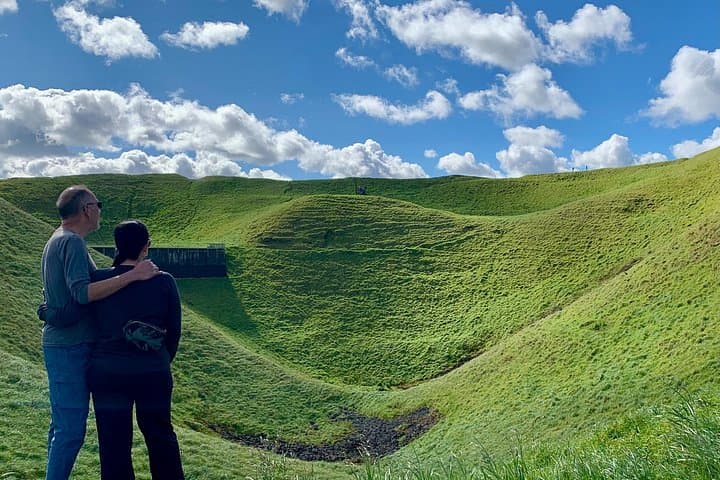
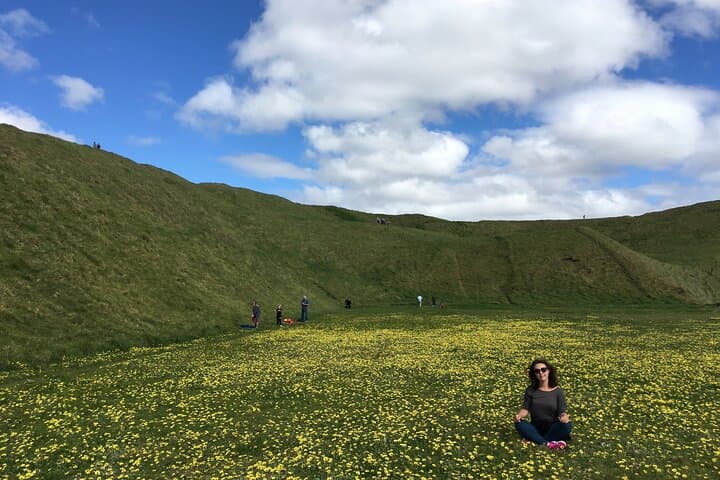
Auckland sits on a relatively young volcanic field; the eruptions that created Mt Wellington (Maungarei), Mangere Mountain (Te Pane-o-Mataaho), One Tree Hill (Maungakiekie) and Mt Eden (Maungawhau) are typically scoria-cone events from the last 10,000 years. The tour threads geology with whakapapa—how settlers used the cones as pā, how transport and sheep later reshaped Cornwall Park. Expect clear vantage points of Rangitoto Island and a practical primer on volcanic landforms: craters, tuff rings and lava flows visible as low ridgelines.
Practically, the day is paced and accessible but active: short uphill walks on uneven slopes, exposed summits, and some steep crater rims. Wear sturdy walking shoes, layer for wind and sudden rain, and carry at least 1–1.5 liters of water. Morning departures give crisper light and fewer crowds; late-afternoon tours keep the city glow. Guides discuss cultural sensitivity—stay on paths to protect archaeological sites—and will drop you off back in central Auckland. For travelers who want a compact natural-history read on the city, this half-day tour is a tight, informative primer with panoramic payoff.
moderate.
4–5 hours.
Moderate fitness: able to do several short uphill walks and stand on uneven terrain for viewing
No eruptions at these sites are recent; they are classified as inactive for visitor safety, but the Auckland Volcanic Field is geologically young and monitored.
Older children who can walk moderate uphill sections and follow safety instructions are fine; strollers and wheelchairs are not recommended due to uneven paths.
Yes, the tour uses an air-conditioned vehicle between volcano stops, with short guided walks at each location.
The operator offers port pickup and drop-off; confirm your pickup point when booking and arrive at the Quay St meeting steps if instructed.
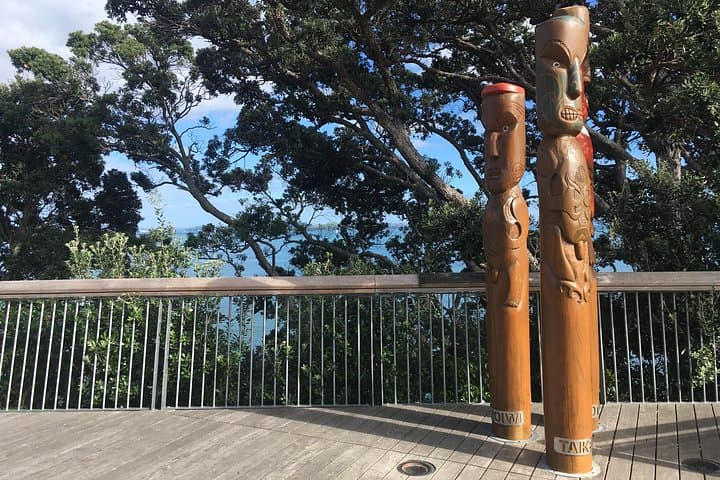
Many of Auckland’s volcanic cones were once Māori pā—fortified villages with terraced gardens and food storage, shaping both landscape and community life.
Trails cross sensitive archaeological sites and regenerating native grassland—stick to paths, take all litter with you, and follow guide instructions to minimize impact.
Voltours Limited operates guided outdoor trips and adventures with an emphasis on safety, stewardship, and memorable experiences.
You meet at the stone steps on Quay Street, the harbour hissing at the edge of the city, and in minutes the skyline gives way to grassy cones—green crowns above suburban streets. The guide moves with easy authority: short hikes, sharp views, and stories written into the slopes. In five hours the group will walk crater rims, look over the Hauraki Gulf and Manukau Harbour, and stand where early Maori shaped food gardens and defended communities.
You meet at the stone steps on Quay Street, the harbour hissing at the edge of the city, and in minutes the skyline gives way to grassy cones—green crowns above suburban streets. The guide moves with easy authority: short hikes, sharp views, and stories written into the slopes. In five hours the group will walk crater rims, look over the Hauraki Gulf and Manukau Harbour, and stand where early Maori shaped food gardens and defended communities.
Auckland sits on a relatively young volcanic field; the eruptions that created Mt Wellington (Maungarei), Mangere Mountain (Te Pane-o-Mataaho), One Tree Hill (Maungakiekie) and Mt Eden (Maungawhau) are typically scoria-cone events from the last 10,000 years. The tour threads geology with whakapapa—how settlers used the cones as pā, how transport and sheep later reshaped Cornwall Park. Expect clear vantage points of Rangitoto Island and a practical primer on volcanic landforms: craters, tuff rings and lava flows visible as low ridgelines.
Practically, the day is paced and accessible but active: short uphill walks on uneven slopes, exposed summits, and some steep crater rims. Wear sturdy walking shoes, layer for wind and sudden rain, and carry at least 1–1.5 liters of water. Morning departures give crisper light and fewer crowds; late-afternoon tours keep the city glow. Guides discuss cultural sensitivity—stay on paths to protect archaeological sites—and will drop you off back in central Auckland. For travelers who want a compact natural-history read on the city, this half-day tour is a tight, informative primer with panoramic payoff.