THE ADVENTURE COLLECTIVE® · Independent discovery and booking for outdoor travel

Drive a 250cc ATV across high-Andean dirt tracks to Moray’s experimental terraces and the artisan salt pans of Maras. This half-day tour pairs short driving lessons with dramatic geology and living Inca-era salt production.
Drive a 250cc ATV across high-Andean dirt tracks to Moray’s experimental terraces and the artisan salt pans of Maras. This half-day tour pairs short driving lessons with dramatic geology and living Inca-era salt production.
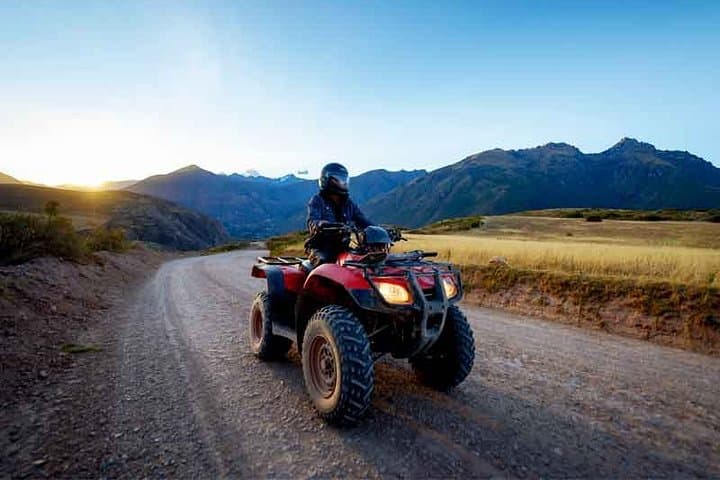
You kick gravel as the engine settles into a steady growl and the high plain opens: terraced bowls and white salt pans cut into the Andean flank, and the snow-capped outline of Veronica and Chicón hangs distant and still. The ride from Cusco to Cruzpata is a quick climb in a tourist van; once on the ATV the landscape takes charge — narrow dirt tracks, stone switchbacks, and wide valley overlooks that demand slow, deliberate attention.
Verified experiences and guided adventures in the surrounding area.
Operated by Perú Destino Seguro · Cusco, Cusco
You kick gravel as the engine settles into a steady growl and the high plain opens: terraced bowls and white salt pans cut into the Andean flank, and the snow-capped outline of Veronica and Chicón hangs distant and still. The ride from Cusco to Cruzpata is a quick climb in a tourist van; once on the ATV the landscape takes charge — narrow dirt tracks, stone switchbacks, and wide valley overlooks that demand slow, deliberate attention.
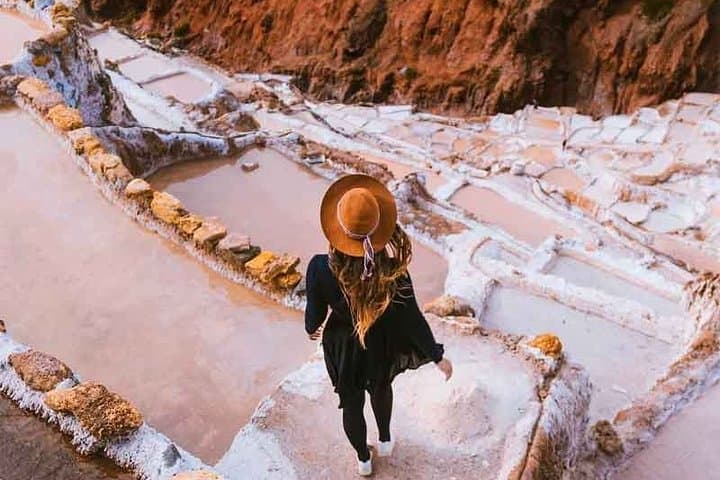
Moray’s concentric agricultural terraces read like an Inca experiment in microclimates. Cut into volcanic soil, the rings create temperature gradients that ancient farmers used to trial crops. A short drive later, the Maras salineras arrive: hundreds of shallow pans fed by a salty spring and worked by families the same artisanal way for centuries. The geology here — fractured Andean bedrock, mineral-rich springs, and glacial runoff — shapes both economy and view.
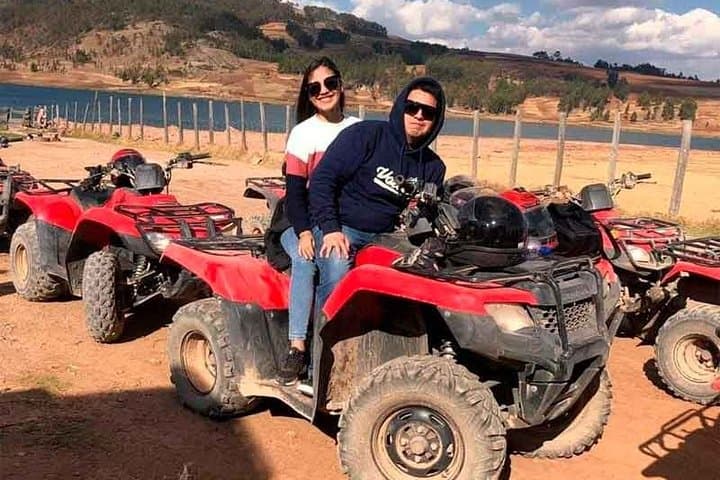
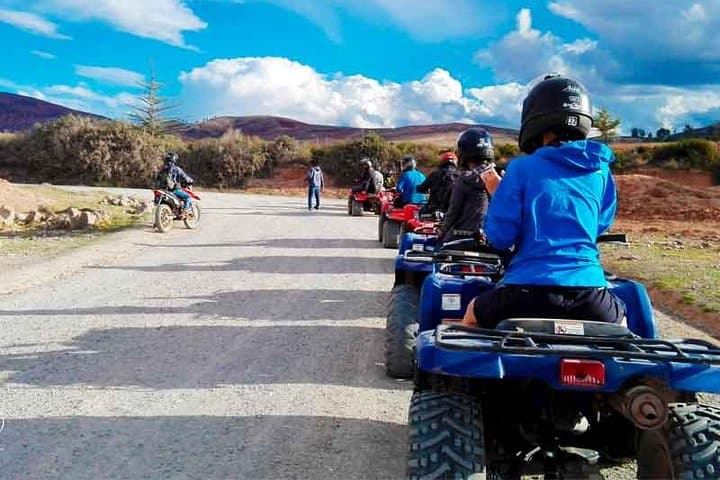
Locals still sell hand-harvested salt and adobe walls of nearby villages keep the wind at bay; guides often explain the terraces’ role in pre-Columbian agriculture. Practically: expect high altitude (3,300–3,600 m), dusty tracks, and variable weather. The route includes a 15-minute ATV lesson and helmeted rides on 250cc machines; the provider returns you to Cusco by afternoon.
Bring layers, water, sun protection, and a readiness to ride on gravel and loose soil. Allow extra time to acclimatize in Cusco before the tour, and plan your camera stops — light changes fast at this altitude.
moderate.
3–4 hours.
Moderate — ability to mount/dismount and control an ATV for 2+ hours at high altitude; general cardiovascular fitness recommended
No — a short 15-minute driving lesson is included; beginners can join but must follow the guide’s instructions.
Possibly — the route sits around 3,300–3,600 m; acclimatize in Cusco and inform the provider of any history of altitude illness.
Policies vary by operator; many tours allow riding without an international license but bring ID and confirm with the operator at booking.
Yes — both Maras and Moray have viewpoints and short walking areas, but some pans are private and off-limits to protect operations.
Moray’s concentric terraces were likely an Inca agricultural laboratory creating microclimates for crop testing; Maras has been producing salt through natural evaporation since pre-Columbian times.
Salt pans are fragile — stick to paths, avoid contaminating water sources, and support local vendors to keep production sustainable.
Perú Destino Seguro operates guided outdoor trips and adventures with an emphasis on safety, stewardship, and memorable experiences.
You kick gravel as the engine settles into a steady growl and the high plain opens: terraced bowls and white salt pans cut into the Andean flank, and the snow-capped outline of Veronica and Chicón hangs distant and still. The ride from Cusco to Cruzpata is a quick climb in a tourist van; once on the ATV the landscape takes charge — narrow dirt tracks, stone switchbacks, and wide valley overlooks that demand slow, deliberate attention.
You kick gravel as the engine settles into a steady growl and the high plain opens: terraced bowls and white salt pans cut into the Andean flank, and the snow-capped outline of Veronica and Chicón hangs distant and still. The ride from Cusco to Cruzpata is a quick climb in a tourist van; once on the ATV the landscape takes charge — narrow dirt tracks, stone switchbacks, and wide valley overlooks that demand slow, deliberate attention.
Moray’s concentric agricultural terraces read like an Inca experiment in microclimates. Cut into volcanic soil, the rings create temperature gradients that ancient farmers used to trial crops. A short drive later, the Maras salineras arrive: hundreds of shallow pans fed by a salty spring and worked by families the same artisanal way for centuries. The geology here — fractured Andean bedrock, mineral-rich springs, and glacial runoff — shapes both economy and view.
Locals still sell hand-harvested salt and adobe walls of nearby villages keep the wind at bay; guides often explain the terraces’ role in pre-Columbian agriculture. Practically: expect high altitude (3,300–3,600 m), dusty tracks, and variable weather. The route includes a 15-minute ATV lesson and helmeted rides on 250cc machines; the provider returns you to Cusco by afternoon.
Bring layers, water, sun protection, and a readiness to ride on gravel and loose soil. Allow extra time to acclimatize in Cusco before the tour, and plan your camera stops — light changes fast at this altitude.