THE ADVENTURE COLLECTIVE® · Independent discovery and booking for outdoor travel

Escape Marrakech for a half-day into the High Atlas and Ourika Valley. Hike to local cascades, visit a Berber argan cooperative, and experience mountain life with an easy, guided trek.
Escape Marrakech for a half-day into the High Atlas and Ourika Valley. Hike to local cascades, visit a Berber argan cooperative, and experience mountain life with an easy, guided trek.
You leave Marrakech’s honeyed alleys and, within an hour, the city’s heat thins and the High Atlas rises up—rock shoulders dusted with scrub, terraces cutting into slopes, and a line of berber villages clinging to the lower ridges. The road bends into the Ourika Valley; streams dare you closer as cedar-scented gusts push past the vehicle windows.
Verified experiences and guided adventures in the surrounding area.
Operated by Take your guide · Marrakech, Marrakesh-Safi
You leave Marrakech’s honeyed alleys and, within an hour, the city’s heat thins and the High Atlas rises up—rock shoulders dusted with scrub, terraces cutting into slopes, and a line of berber villages clinging to the lower ridges. The road bends into the Ourika Valley; streams dare you closer as cedar-scented gusts push past the vehicle windows.
This is a landscape shaped by uplift and erosion: folded sedimentary ridges that drain into the Tensift basin, with pockets of alluvial soil where argan and olive grow. The valley has long been home to Amazigh (Berber) families whose ways reflect mountain seasons—dry-stone terracing, pastoral grazing, and small-scale argan processing that historically supplied oil for local use and trade.
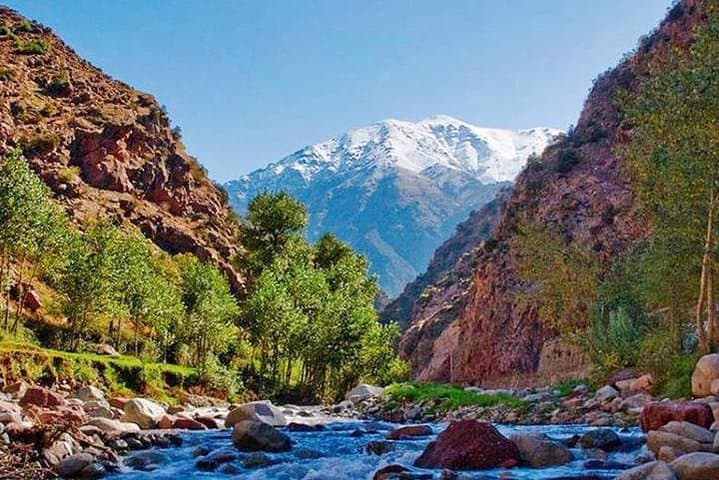
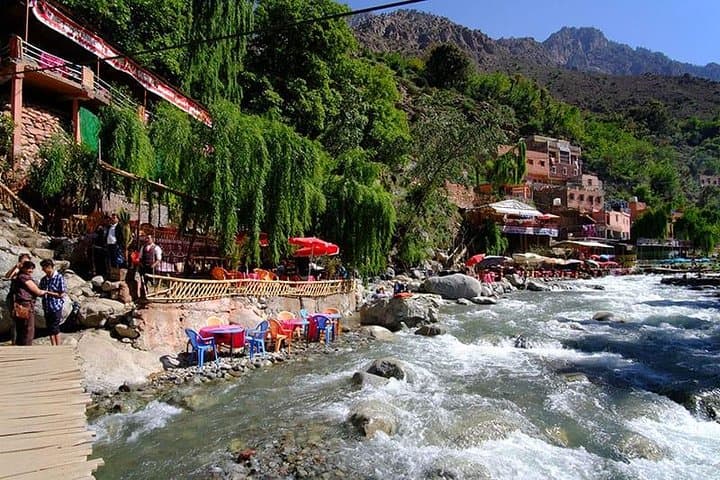
Your local guide leads to Stti Fadma (Setti Fatma) and the chain of seven cascades accessible only with local permission. The walk to lower falls is a mix of shaded village tracks and rocky steps; water forces narrow channels through the rock and pools collect like deliberate mirrors. Along the way, cooperative-run argan presses demonstrate traditional techniques—women cracking fruit and pressing oil by hand.
Practical edge: expect uneven footing, short steep sections, and variable shade. Bring a reusable water bottle, wear grippy shoes, and plan for mid-morning to catch softer light and active local life. Photography is welcome but ask before photographing individuals. Support local cooperatives directly—buying a jar of argan oil is both practical and meaningful.
The trip blends a manageable walk, cultural exchange, and elemental mountain scenery—an accessible way to experience the High Atlas beyond Marrakech without technical gear or advanced fitness.
easy.
5–6 hours.
Suitable for most fitness levels; you should be comfortable walking on uneven ground and short inclines.
No—this is described as suitable for all fitness levels; the walking involves short, manageable climbs and uneven paths rather than sustained alpine hiking.
Yes—hotel pickup and drop-off in Marrakech are included in the tour price.
Yes—tours typically stop at a women-run argan cooperative where you can observe production and purchase products directly from locals.
Basic restroom facilities are available in village areas; the tour often includes a local breakfast but bring snacks if you have dietary needs.
The High Atlas has been home to Amazigh (Berber) communities for millennia; terraces and village patterns reflect centuries of mountain agriculture and trade routes connecting to Marrakech.
Respect marked paths and avoid single-use plastics; support small cooperatives to help sustain local economies and traditional practices.
Take your guide operates guided outdoor trips and adventures with an emphasis on safety, stewardship, and memorable experiences.
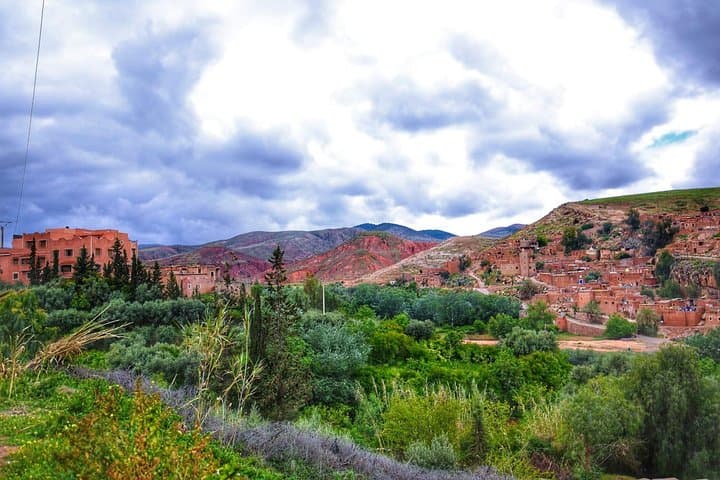
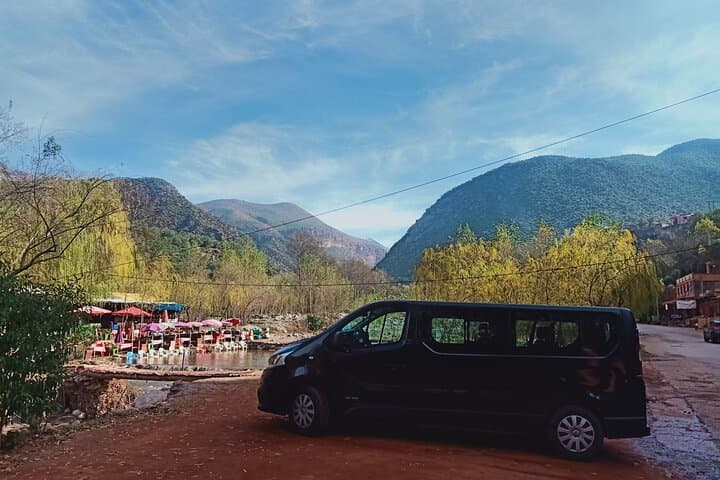
You leave Marrakech’s honeyed alleys and, within an hour, the city’s heat thins and the High Atlas rises up—rock shoulders dusted with scrub, terraces cutting into slopes, and a line of berber villages clinging to the lower ridges. The road bends into the Ourika Valley; streams dare you closer as cedar-scented gusts push past the vehicle windows.
You leave Marrakech’s honeyed alleys and, within an hour, the city’s heat thins and the High Atlas rises up—rock shoulders dusted with scrub, terraces cutting into slopes, and a line of berber villages clinging to the lower ridges. The road bends into the Ourika Valley; streams dare you closer as cedar-scented gusts push past the vehicle windows.
This is a landscape shaped by uplift and erosion: folded sedimentary ridges that drain into the Tensift basin, with pockets of alluvial soil where argan and olive grow. The valley has long been home to Amazigh (Berber) families whose ways reflect mountain seasons—dry-stone terracing, pastoral grazing, and small-scale argan processing that historically supplied oil for local use and trade.
Your local guide leads to Stti Fadma (Setti Fatma) and the chain of seven cascades accessible only with local permission. The walk to lower falls is a mix of shaded village tracks and rocky steps; water forces narrow channels through the rock and pools collect like deliberate mirrors. Along the way, cooperative-run argan presses demonstrate traditional techniques—women cracking fruit and pressing oil by hand.
Practical edge: expect uneven footing, short steep sections, and variable shade. Bring a reusable water bottle, wear grippy shoes, and plan for mid-morning to catch softer light and active local life. Photography is welcome but ask before photographing individuals. Support local cooperatives directly—buying a jar of argan oil is both practical and meaningful.
The trip blends a manageable walk, cultural exchange, and elemental mountain scenery—an accessible way to experience the High Atlas beyond Marrakech without technical gear or advanced fitness.