THE ADVENTURE COLLECTIVE® · Independent discovery and booking for outdoor travel

Escape Marrakech for a half-day into the Atlas Mountains: hike to seven waterfalls, visit a women’s argan cooperative, and absorb panoramic mountain views. This small-group tour blends culture, geology, and accessible trails for a compact mountain experience.
Escape Marrakech for a half-day into the Atlas Mountains: hike to seven waterfalls, visit a women’s argan cooperative, and absorb panoramic mountain views. This small-group tour blends culture, geology, and accessible trails for a compact mountain experience.
Morning light fractures over red-earth ridges as your minivan snakes out of Marrakech and the city’s heat gives way to cooler air. By the time you crest a ridge, the High Atlas gathers around you—stone ribs and scrubby slopes that push clouds into sudden shade. The trailhead near Setti Fatma drops into a narrow gorge where the river dares you to follow it upstream toward seven distinct waterfalls, each one a short, rocky step higher than the last.
Verified experiences and guided adventures in the surrounding area.
Operated by moroccan wanderlust · Setti Fatma, Marrakesh-Safi
Morning light fractures over red-earth ridges as your minivan snakes out of Marrakech and the city’s heat gives way to cooler air. By the time you crest a ridge, the High Atlas gathers around you—stone ribs and scrubby slopes that push clouds into sudden shade. The trailhead near Setti Fatma drops into a narrow gorge where the river dares you to follow it upstream toward seven distinct waterfalls, each one a short, rocky step higher than the last.
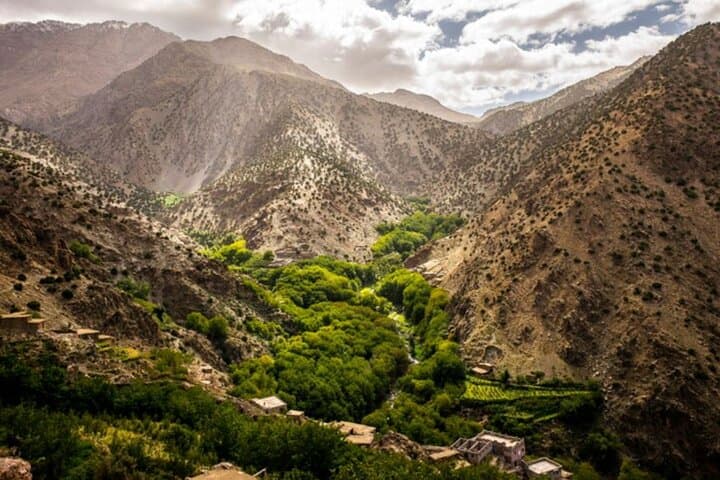
This route threads together natural history and local culture: the mountains are folded limestone and schist carved by millennia of winter storms, and the valley has long been home to Amazigh (Berber) communities whose argan cooperatives now welcome visitors for economic resilience and demonstration. Expect mule tracks, terraces cut into steep ground, and the occasional stone farmhouse. Guides point out traditional oil extraction methods and offer mint tea that tastes like the place itself — herbal and direct.
Practically, the loop is a series of moderate scrambles and well-worn paths rather than technical climbing. Wear grippy shoes and layer for shade-to-sun shifts; water and a modest fitness level make the difference between a steady, satisfying half-day and an uphill slog. Timing matters—late afternoon brings softer light but thinner crowds; mornings keep heat at bay. Leave no trace, support cooperatives directly, and let the river pull you forward: the waterfalls are short rewards but the valley’s angles and human stories are the real destination.
moderate.
5–6 hours (including transfers).
Comfortable walking fitness; able to manage short steep sections and uneven terrain
The guided walking portion typically lasts 60–120 minutes depending on stops; expect short scrambles between cascades and time for views and photography.
Yes—paths are generally accessible but include uneven terrain; children and less-mobile travelers should be monitored and may opt out of steeper sections.
A traditional breakfast at an argan cooperative (mint tea, bread, argan oil, honey) and bottled water are included; bring snacks if you prefer more food.
Transfer time is roughly 60–90 minutes each way depending on traffic and exact pick-up location, included in the total 5–6 hour duration.
The Ourika area has long been inhabited by Amazigh (Berber) communities; argan oil production by village cooperatives has become an important local income source.
Water is scarce in southern Morocco—stick to marked trails, avoid single-use plastics, and buy directly from cooperatives to support local sustainable livelihoods.
moroccan wanderlust operates guided outdoor trips and adventures with an emphasis on safety, stewardship, and memorable experiences.
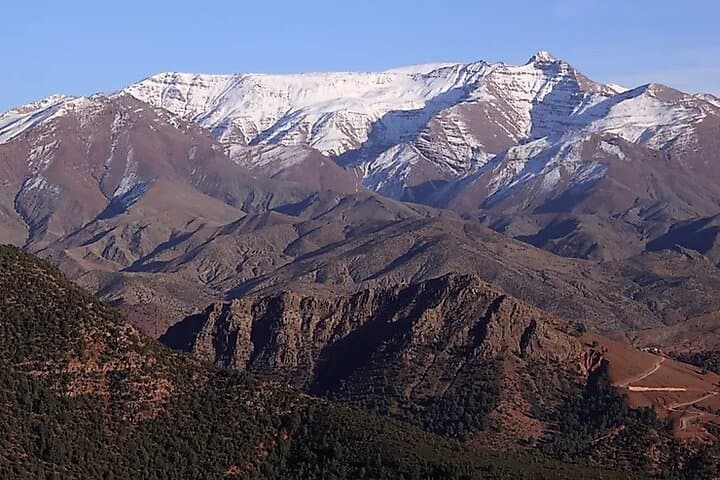
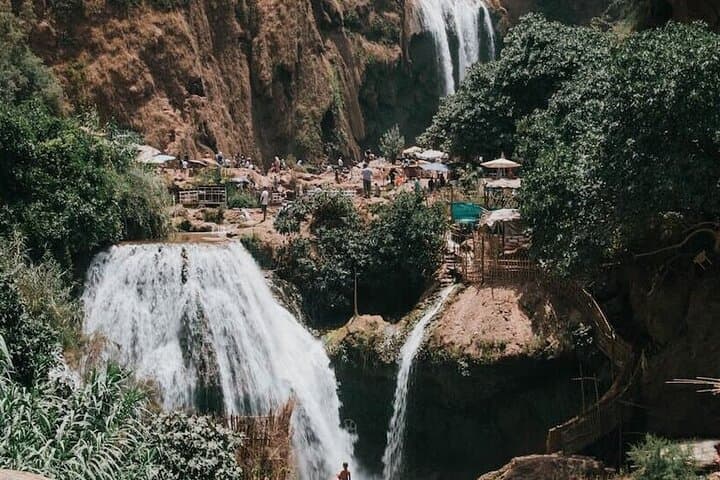
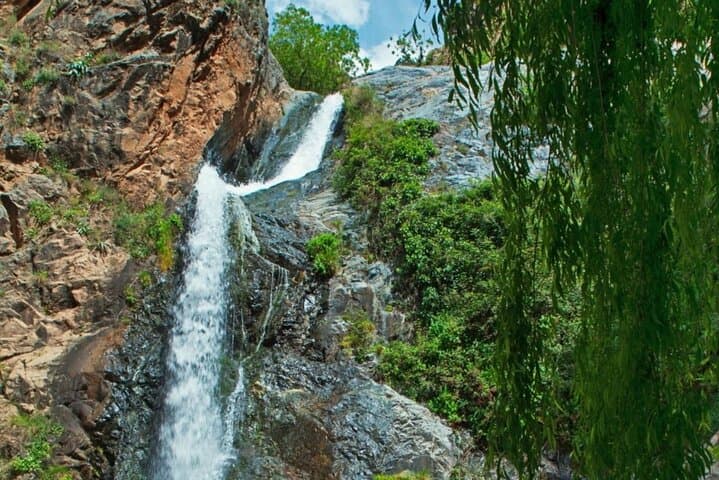
Morning light fractures over red-earth ridges as your minivan snakes out of Marrakech and the city’s heat gives way to cooler air. By the time you crest a ridge, the High Atlas gathers around you—stone ribs and scrubby slopes that push clouds into sudden shade. The trailhead near Setti Fatma drops into a narrow gorge where the river dares you to follow it upstream toward seven distinct waterfalls, each one a short, rocky step higher than the last.
Morning light fractures over red-earth ridges as your minivan snakes out of Marrakech and the city’s heat gives way to cooler air. By the time you crest a ridge, the High Atlas gathers around you—stone ribs and scrubby slopes that push clouds into sudden shade. The trailhead near Setti Fatma drops into a narrow gorge where the river dares you to follow it upstream toward seven distinct waterfalls, each one a short, rocky step higher than the last.
This route threads together natural history and local culture: the mountains are folded limestone and schist carved by millennia of winter storms, and the valley has long been home to Amazigh (Berber) communities whose argan cooperatives now welcome visitors for economic resilience and demonstration. Expect mule tracks, terraces cut into steep ground, and the occasional stone farmhouse. Guides point out traditional oil extraction methods and offer mint tea that tastes like the place itself — herbal and direct.
Practically, the loop is a series of moderate scrambles and well-worn paths rather than technical climbing. Wear grippy shoes and layer for shade-to-sun shifts; water and a modest fitness level make the difference between a steady, satisfying half-day and an uphill slog. Timing matters—late afternoon brings softer light but thinner crowds; mornings keep heat at bay. Leave no trace, support cooperatives directly, and let the river pull you forward: the waterfalls are short rewards but the valley’s angles and human stories are the real destination.