THE ADVENTURE COLLECTIVE® · Independent discovery and booking for outdoor travel

Walk the lawns and outbuildings of George Washington’s Mount Vernon on a half-day guided tour from Washington, D.C. Learn the estate’s layered history while enjoying riverside views and accessible, narrated transport.
Walk the lawns and outbuildings of George Washington’s Mount Vernon on a half-day guided tour from Washington, D.C. Learn the estate’s layered history while enjoying riverside views and accessible, narrated transport.
You step through a low iron gate and the Potomac nudges the shoreline into view—wide, slow-moving, and a living backdrop to a house that shaped a nation.
Verified experiences and guided adventures in the surrounding area.
Operated by All Washington View LLC · Alexandria, Virginia
You step through a low iron gate and the Potomac nudges the shoreline into view—wide, slow-moving, and a living backdrop to a house that shaped a nation.
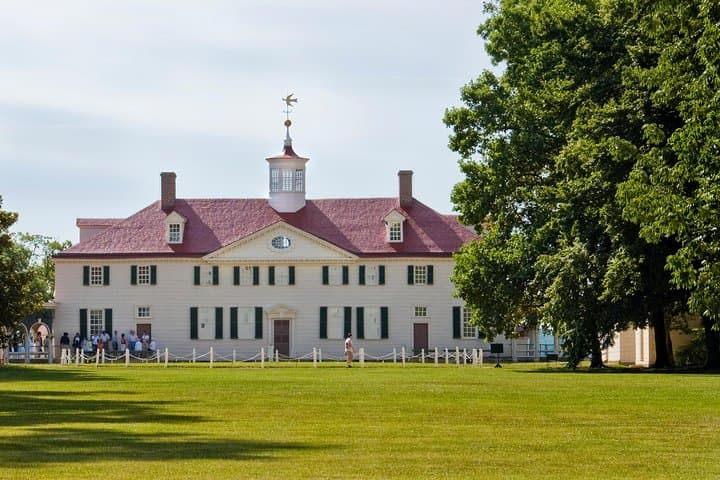
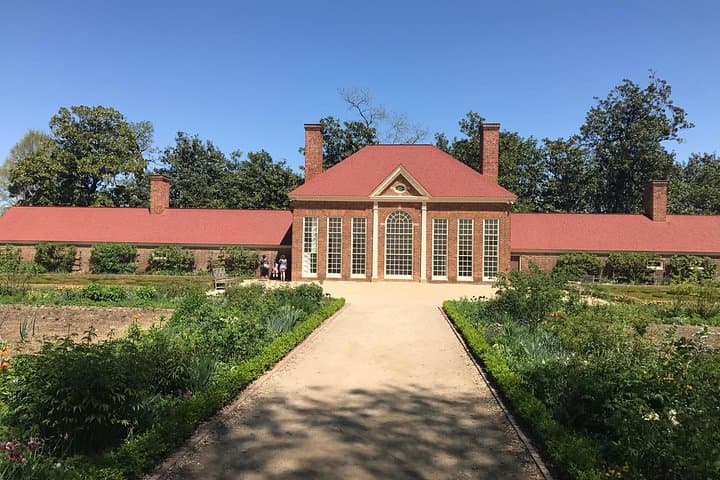
Mount Vernon sits on the tide-swept Coastal Plain south of Washington, D.C.; its lawn slopes to the river and frames the white-pillared mansion George Washington rebuilt in the late 18th century. The estate directs attention to lived history: the mansion, the stables, the education center, the reconstructed slave quarters, and the family burial plot where Washington rests.
Geology is quiet here—river silt, tidal marsh grasses, sandy soils that hosted colonial agriculture. Culturally the site is a study in contrasts: Revolutionary leadership and plantation economy, public commemoration and the private labor that supported it. The on-site museum and short biographical film contextualize Washington’s military and presidential roles while the Slave Exhibit and preserved outbuildings foreground the enslaved community’s central role.
Practically speaking, expect roughly three hours on the estate with coach transport from Washington, D.C., totaling about five hours for the round trip. Paths are mostly packed earth and lawn with some ramps and accessible routes; wear sturdy shoes and sun protection. Guided commentary en route enriches the visit, but audio tours and museum labels support independent exploration. Bring water, give yourself time for the museum and gift shop, and plan travel earlier in the day to avoid peak bus crowds. The estate operates year-round; seasonal light, river views, and program schedules change, so check times before you go.
easy.
5 hours.
Moderate—requires standing and walking for several hours; suitable for most adults with basic mobility
Yes—the guided half-day tour typically includes estate admission and the narrated coach transport from Washington, D.C.; confirm inclusions when booking.
Many areas and surfaces are wheelchair accessible and collapsible wheelchairs can be accommodated, though some historic structures have limited access.
The itinerary allows about three hours on site—enough time for the mansion exterior, museum, slave quarters exhibits, and the grounds walk.
Children are welcome but must be accompanied by an adult; consider younger kids’ tolerance for walking and museum content when planning.
Mount Vernon was George Washington’s plantation and home; the site interprets both his public leadership and the enslaved people who lived and worked on the estate.
The Mount Vernon estate maintains preservation programs for historic structures and riverine habitats; visitors are encouraged to respect paths and exhibits to minimize wear on fragile resources.
All Washington View LLC operates guided outdoor trips and adventures with an emphasis on safety, stewardship, and memorable experiences.
You step through a low iron gate and the Potomac nudges the shoreline into view—wide, slow-moving, and a living backdrop to a house that shaped a nation.
You step through a low iron gate and the Potomac nudges the shoreline into view—wide, slow-moving, and a living backdrop to a house that shaped a nation.
Mount Vernon sits on the tide-swept Coastal Plain south of Washington, D.C.; its lawn slopes to the river and frames the white-pillared mansion George Washington rebuilt in the late 18th century. The estate directs attention to lived history: the mansion, the stables, the education center, the reconstructed slave quarters, and the family burial plot where Washington rests.
Geology is quiet here—river silt, tidal marsh grasses, sandy soils that hosted colonial agriculture. Culturally the site is a study in contrasts: Revolutionary leadership and plantation economy, public commemoration and the private labor that supported it. The on-site museum and short biographical film contextualize Washington’s military and presidential roles while the Slave Exhibit and preserved outbuildings foreground the enslaved community’s central role.
Practically speaking, expect roughly three hours on the estate with coach transport from Washington, D.C., totaling about five hours for the round trip. Paths are mostly packed earth and lawn with some ramps and accessible routes; wear sturdy shoes and sun protection. Guided commentary en route enriches the visit, but audio tours and museum labels support independent exploration. Bring water, give yourself time for the museum and gift shop, and plan travel earlier in the day to avoid peak bus crowds. The estate operates year-round; seasonal light, river views, and program schedules change, so check times before you go.